2026 Top Automatic Feeding Gluing Machine Price Guide?
In 2026, the price of an Automatic Feeding Gluing Machine depends on more than its advertised speed. Board size, feeding method, glue application, changeover time, and required line integration all affect the final quotation. Grand View Research estimated the global packaging machinery market at about US$46.4 billion in 2023, with projected growth through 2030. That broad market estimate signals ongoing investment, but it does not predict the price of any specific gluing machine.
Useful context comes from PMMI’s 2024 State of the Industry report, which reviews investment and operating pressures across packaging. It is not a machine-price survey. Buyers should compare supplier quotations against actual requirements: cartons per minute, material thickness, glue-system controls, operator access, and available floor space. A line running beside a busy packing area may need different guarding, noise control, or infeed arrangements than a standalone demonstration unit.
Small details matter.
This guide explains how to read 2026 price offers, distinguish standard equipment from optional features, and assess costs beyond the machine itself. Installation, training, spare parts, and service availability can change the value of a seemingly low quote. Ask suppliers to state the tested speed, carton specification, and acceptance conditions in writing. Then compare like with like. Prices can look precise; production conditions rarely are. Even careful estimates need a reality check against your own materials and shift patterns.
What Is an Automatic Feeding Gluing Machine?
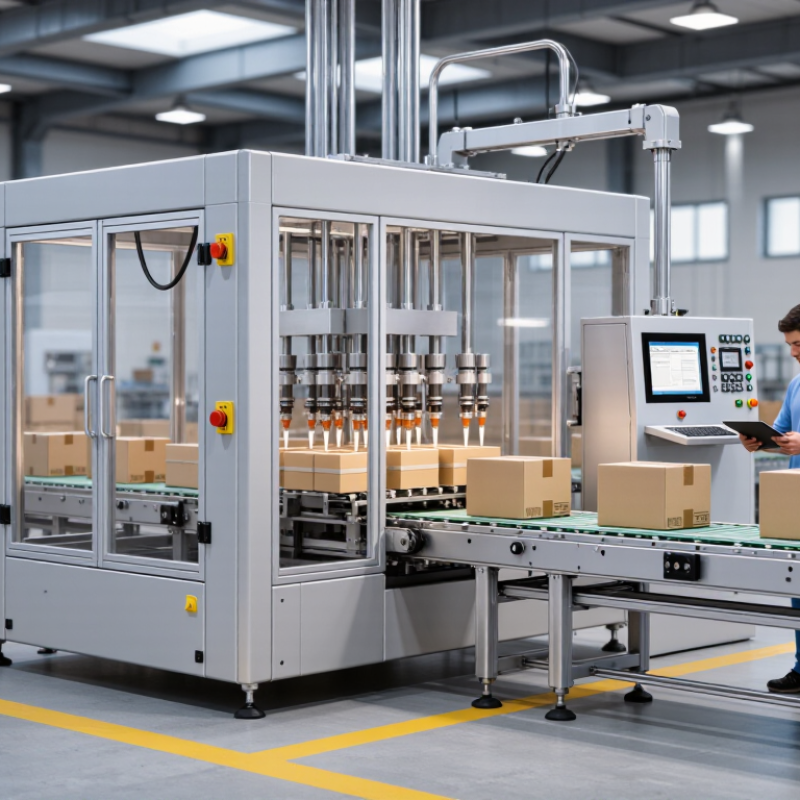
An automatic feeding gluing machine moves flat blanks or sheets through a controlled process, applies adhesive, and helps form them into finished cartons or other packages. A feeder separates and advances each piece, while guides keep it aligned. Glue nozzles or wheels place adhesive along selected edges, and folding belts or rollers bring the panels together. A compression section holds the folds in place while the bond sets.
The machine’s sensors and controls help maintain spacing and detect feeding problems. They do not eliminate the need for setup. Operators still adjust guides, glue flow, and speed to match the material and job. A small shift in blank alignment can leave a seam weak or messy. It happens.
When comparing equipment or prices, consider the product size range, required output, adhesive system, and ease of changeover. Also check whether the machine can connect smoothly with existing production equipment. In practice, a specification sheet rarely shows every adjustment a real job requires. A short production trial can reveal feeding issues that are easy to miss during a showroom demonstration.
How Does Its Feeding and Gluing Process Work?
An automatic feeding gluing machine moves sheets or components from a stack into a controlled working position. A pickup belt, vacuum head, or roller feeder separates each piece. Sensors check whether material is present and aligned before it enters the gluing area. Small adjustments matter. Warped edges or dusty surfaces can disrupt feeding, even when the machine settings look correct.
In the gluing section, a pump sends adhesive to a roller, nozzle, or patterned applicator. The machine lays down a measured line or coating as the material passes through. Operators typically adjust glue volume, speed, and applicator pressure to match the material and bond area. Too much adhesive may squeeze out; too little can leave weak spots. A test run on actual stock is more informative than relying on settings alone.
After application, guides bring the parts together, and rollers or a press hold them in contact. Some systems include a curing or drying stage, depending on the adhesive used. The finished pieces can then move to an output table or conveyor. Watch the first few items for uneven coverage, skewed edges, or residue buildup. These checks take time, but they can reveal issues a fast production run might hide.
In a 2026 price comparison, feeding capacity, glue controls, and inspection features can all affect the machine’s configuration and cost.
Which Factors Shape Automatic Feeding Gluing Machine Prices in 2026?
Automatic feeding gluing machine prices in 2026 depend on more than the machine’s headline speed. Feeding width, sheet size, and hourly output all affect the required frame, motors, and control system. A line handling thick boards may need stronger rollers and a different glue application setup than one processing light cartons. More capacity usually means higher cost.
Glue type and application accuracy also shape the quote. A basic roller system may suit straightforward work, while adjustable nozzles, sensors, or automatic glue control can add expense. Ask how the machine handles changes in material thickness and glue viscosity. Small details matter. A setup that runs well on one sample may behave differently during a full shift.
Automation level, installation, operator training, and spare parts should be included in any comparison. Two quotes can look similar but cover very different support. Request a written breakdown of standard equipment, optional features, commissioning, and warranty terms. It is easy to focus only on purchase price; I’d also check cleaning access and changeover time. Those details are sometimes overlooked, even by experienced buyers. Final pricing is best confirmed against your actual materials, production targets, and factory conditions.
What Price Ranges Apply to Different Machine Configurations?
For 2026 budgeting, automatic feeding gluing machines typically fall into three broad price bands. A compact, entry-level unit with basic feeding, folding, and gluing may cost about $15,000–$35,000. Good for short runs. It often handles standard carton styles, but manual adjustments can slow changeovers. Mid-range systems, roughly $35,000–$80,000, may add wider working formats, faster feeders, touchscreen controls, and basic fault detection. These upgrades matter when operators switch jobs often or need steadier output.
High-speed lines with automatic setup, alignment sensors, inspection, and delivery sections can range from $80,000 to $200,000 or more. The exact price depends on board thickness, maximum blank size, rated speed, and how much setup is truly automatic. A quoted top speed can look impressive; actual throughput falls with complex cartons, glue curing, and frequent changes. Not always obvious. Ask vendors for a test using your own blanks, then compare usable cartons per hour. Include freight, installation, operator training, spare belts, and commissioning in the budget; these costs may add several thousand dollars. Prices vary by region and specification, so treat these ranges as planning estimates, not offers. A cheaper machine can be the wrong fit. Yet paying for unused speed is wasteful too.
2026 Top Automatic Feeding Gluing Machine Price Guide? - What Price Ranges Apply to Different Machine Configurations?
The following are indicative 2026 budgetary ranges in USD for new folding-carton feeding and gluing equipment. Prices vary with working width, automation, production speed, inspection systems, tooling, and supplier location. Freight, taxes, installation, and optional equipment may be additional.
| Machine Configuration | Typical Setup | Indicative Production Speed | Suitable Work | Estimated Price Range (USD) |
| Compact automatic feeder and gluer | Automatic blank feeding, basic folding and gluing, standard control system | Approximately 60–150 m/min | Short runs and straightforward straight-line cartons | $15,000–$35,000 |
| Standard folder-gluer with automatic feeding | Adjustable feed section, standard pre-break and folding sections, routine glue application | Approximately 100–250 m/min | General-purpose folding cartons and regular production batches | $30,000–$70,000 |
| Extended configuration with multi-point gluing | Additional glue applicators and folding capability for more complex carton styles | Approximately 80–220 m/min | Lock-bottom, crash-lock, and selected multi-point cartons | $50,000–$110,000 |
| High-speed automatic production line | Higher-capacity feeder, extended conveying and folding sections, faster changeover features | Approximately 200–400 m/min | High-volume production of compatible carton formats | $80,000–$180,000 |
| Automatic line with inspection and rejection | Folder-gluer combined with selected camera inspection, counting, and reject equipment | Approximately 120–300 m/min | Runs requiring additional checks for print, glue, or carton defects | $100,000–$220,000 |
| Special-purpose or heavily customized line | Application-specific feeding, glue systems, delivery, controls, or inline equipment | Depends on carton design and line layout | Unusual carton structures, specialized workflows, or integrated production lines | $150,000–$300,000+ |
How Can Buyers Compare Quotes and Estimate Total Ownership Costs?
A fair automatic feeding gluing machine quote should describe the same job: board size and thickness, glue type, feeding method, rated speed, and expected changeover time. Ask suppliers to price installation, operator training, tooling, freight, and recommended spare parts separately. A fast headline speed means little if your real cartons require frequent adjustment. Request a run-off using your own material, then record good cartons per hour and waste.
Estimate ownership costs across a consistent period, such as five years. Add the purchase price to glue, electricity, labor, planned maintenance, repairs, and downtime; subtract any credible resale value. The U.S. Department of Energy’s Improving Compressed Air System Performance: A Sourcebook for Industry reports that compressed air uses about 10% of industrial electricity, and can reach 30% in some facilities. If the machine uses pneumatic feeding or controls, check its air demand and your compressor’s actual cost. Do not apply the industry figure directly to one machine. I still double-check this part.
Tips: Compare total cost per thousand good cartons, not just machine price. Ask for warranty limits, service response times, and a parts list with prices. Use identical assumptions for every quote. A spreadsheet can help, but downtime estimates are imperfect; show your assumptions instead of hiding them.