2026 Top DTH Boring Machine Manufacturers and Prices
The 2026 Dth Boring Machine market is entering a more demanding phase. Contractors now compare drilling speed, fuel use, rock performance, maintenance access, and complete ownership cost. A low purchase price may look attractive beside a dusty quarry road. However, weak compressors, poor feed systems, and unavailable spare parts can quickly erase those savings.
This guide examines leading Dth Boring Machine manufacturers, representative prices, machine configurations, and practical buying considerations. It considers crawler stability, hole diameter, drilling depth, air consumption, automation, and operator visibility. Prices may vary widely by power, brand, destination, attachments, and after-sales support. Used machines also require careful inspection. A polished paint finish proves very little.
Mining engineer Dr. S. K. Haldar stated, “The efficiency of mining equipment depends on matching its design to the geological and operating conditions.” This principle remains highly relevant in 2026. A compact rig may perform well in a tight construction site but struggle in fractured granite. A larger machine may deliver stronger penetration yet consume more fuel and require greater transport planning. That assumption can fail when local service support is weak.
The manufacturers discussed here are assessed through technical capability, field experience, product reliability, and customer support. Real-world performance still depends on geology, drilling methods, crew skill, and preventive maintenance. Buyers should request verified specifications, warranty terms, delivery details, and service records before committing funds. No ranking can replace a site trial.
What Is a DTH Boring Machine and How Does It Work?
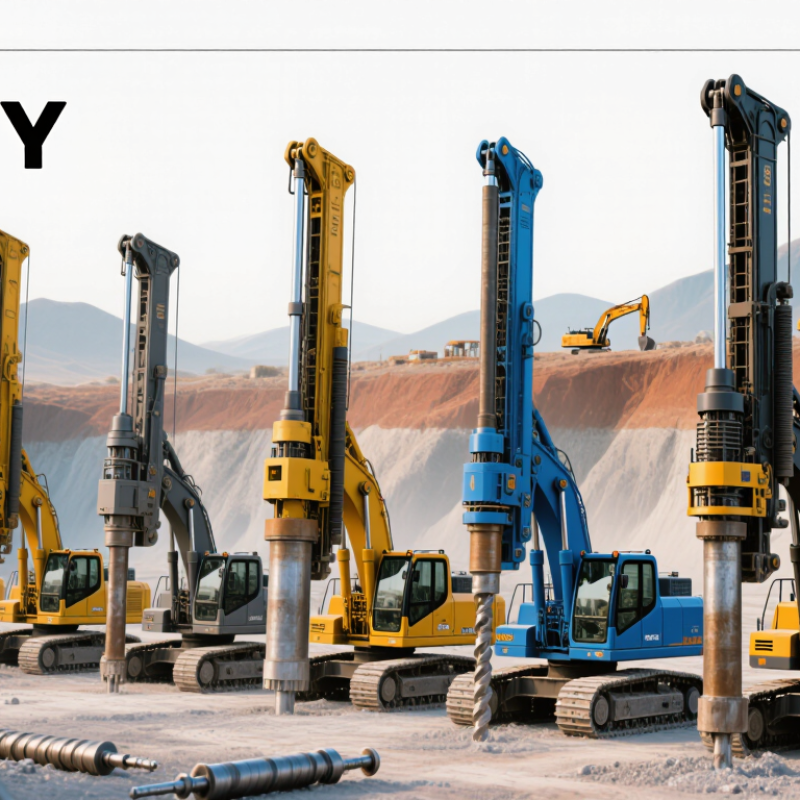
A DTH boring machine uses a hammer positioned at the bottom of the borehole. DTH means “down the hole.” Compressed air travels through the drill rods and powers the hammer. The hammer strikes the bit directly against rock. This transfers impact energy efficiently, even in deep formations.
As the bit rotates, its carbide buttons crush hard rock into small fragments. Air then carries the cuttings back to the surface through the space around the rods. Operators watch pressure, rotation speed, feed force, and air volume. Poor adjustment can cause blocked holes, excessive bit wear, or crooked drilling. The sound is loud and unmistakable.
DTH equipment suits water wells, foundation work, mining, and geotechnical investigations. It performs well in granite, limestone, and other strong formations. However, it is not ideal for every ground condition. Loose soil may require casing systems or another drilling method. From practical field experience, choosing a machine only by maximum depth is a weak approach. Rock hardness, hole diameter, compressor capacity, access space, maintenance support, and total operating cost matter more. Prices also vary with these configurations. A careful site survey usually prevents expensive changes later.
2026 Top DTH Boring Machine Manufacturers and Prices - What Is a DTH Boring Machine and How Does It Work?
The table below summarizes common DTH boring machine categories, typical specifications, operating principles, and indicative 2026 market price ranges. Prices vary according to configuration, drilling tools, compressor package, automation level, freight, and regional taxes.
| Machine Category | Typical Drilling Diameter | Typical Drilling Depth | Recommended Rock Condition | Common Power Range | Working Air Pressure | Indicative 2026 Price (USD) | Typical Applications |
| Compact Crawler DTH Rig | 90–165 mm | 30–120 m | Soft to medium-hard rock | 18–55 kW | 0.7–1.2 MPa | $18,000–$45,000 | Water wells, small construction projects, geotechnical surveys |
| Medium Crawler DTH Rig | 115–254 mm | 80–250 m | Medium-hard to hard rock | 55–110 kW | 0.8–1.7 MPa | $45,000–$95,000 | Water-well drilling, foundation work, quarry exploration |
| Heavy-Duty Surface DTH Rig | 152–406 mm | 150–450 m | Hard and abrasive rock | 90–250 kW | 1.0–2.5 MPa | $95,000–$240,000 | Mining, large-diameter wells, quarrying, infrastructure construction |
| Truck-Mounted DTH Rig | 115–305 mm | 100–350 m | Medium-hard to hard rock | 100–250 kW | 0.8–2.0 MPa | $120,000–$280,000 | Remote water wells, mining, road and utility projects |
| Underground DTH Production Rig | 89–165 mm | 50–250 m per hole | Competent underground rock | 75–180 kW | 0.8–1.5 MPa | $180,000–$450,000 | Production drilling, long-hole drilling, underground mine development |
| High-Pressure DTH Rig | 165–305 mm | 200–600 m | Very hard, fractured, or abrasive rock | 150–350 kW | 1.4–3.5 MPa | $220,000–$550,000 | Deep wells, large-scale mining, difficult overburden conditions |
| Geothermal DTH Drilling Rig | 152–311 mm | 300–1,500 m | Hard rock and variable formations | 180–500 kW | 1.4–3.5 MPa | $300,000–$900,000 | Geothermal heat-pump boreholes, energy wells, deep exploration |
How a DTH Boring Machine Works
A down-the-hole (DTH) boring machine uses a pneumatic or hydraulic hammer positioned directly behind the drill bit at the bottom of the borehole. Compressed air or fluid drives the hammer piston, which repeatedly strikes the bit. The rotary head turns the drill string while thrust keeps the bit engaged with the rock. Exhaust air carries rock cuttings back to the surface, allowing efficient drilling in hard formations.
Price basis: Indicative equipment-only market ranges in U.S. dollars for new machines in 2026; compressor, drilling rods, DTH hammer, bits, shipping, installation, and taxes may be quoted separately.
Key Types and Technical Features of DTH Boring Machines
DTH boring machines use a down-the-hole hammer to strike directly at the rock face. This design delivers strong impact energy at depth. It is well suited to hard rock, quarrying, foundation work, and water-well construction. Crawler-mounted rigs provide stability on uneven ground. Truck-mounted models offer faster relocation between sites. Skid-mounted units fit confined industrial areas.
Core technical features include a rotary head, hydraulic feed system, drill rods, air compressor, and dust-control equipment. The hammer operates through compressed air, while rotation helps maintain a straight bore. Adjustable feed pressure reduces rod stress and improves drilling consistency. Automatic rod handling can save labor, but it also increases maintenance points. Cab filtration and water injection are valuable near populated work zones.
Machine selection depends on rock strength, hole diameter, depth, access, and available air pressure. A larger compressor does not always mean better production. Excess airflow may increase fuel use and dust problems. Buyers should check hammer compatibility, rod size, torque, feed length, and spare-part access before comparing prices. Actual costs also reflect transport, compressor capacity, tooling, and operator training. A field test remains important. Laboratory data can look convincing, yet fractured rock may change performance quickly. Some specifications are easy to overvalue. Reliability often comes from balanced systems and disciplined maintenance.
Top DTH Boring Machine Manufacturers in 2026
Top DTH Boring Machine Manufacturers in 2026 are judged by more than catalog size. Buyers should examine drilling depth, impact frequency, air consumption, and rock conditions. Established manufacturers usually provide stronger testing systems, spare-parts networks, and operator training. Regional engineering manufacturers may offer faster customization and shorter delivery times.
According to Grand View Research, the global mining equipment market exceeded US$130 billion in 2023. Its outlook highlights automation, productivity, and lower operating costs as major purchasing drivers. The International Energy Agency also reported rising demand for critical minerals in 2024, increasing pressure on contractors to drill faster and more consistently. These trends favor manufacturers offering remote diagnostics, fuel-efficient compressors, and replaceable wear components.
Price comparisons need caution. A DTH boring machine can appear affordable, yet compressor upgrades, drill pipes, freight, and maintenance may change the final cost substantially. Specialist manufacturers often compete through flexible configurations, while larger producers emphasize standardized reliability. I would not treat every online ranking as definitive. Field records matter more. Ask for penetration rates, bit life, failure data, and service response times from comparable sites. Small details count. A clean control panel, reinforced feed beam, and accessible hydraulic lines can reduce downtime during a dusty shift. Some specifications still look impressive on paper but perform poorly in fractured rock. That gap deserves careful testing.
2026 Top DTH Boring Machine Manufacturers and Prices
The chart shows indicative 2026 new-equipment price ranges for common DTH boring machine classes. Prices are presented in USD and may vary according to drilling diameter, depth capacity, compressor configuration, automation, crawler type, freight, and regional taxes. Manufacturer and brand names are intentionally excluded.
DTH Boring Machine Prices and Main Cost Factors
2026 Top DTH Boring Machine Manufacturers and Prices
In 2026, DTH boring machine prices commonly range from about USD 30,000 to USD 180,000. Compact units suit shallow quarry or water-well work. Heavy crawler rigs cost more because they carry larger masts, feeds, and rotary systems. A basic quotation may exclude the air compressor. That omission can change the project budget quickly.
Rock hardness is often the largest operating cost factor. Dense granite demands higher air pressure, stronger drill pipes, and more frequent bit replacement. Drilling depth also affects fuel use, rod handling, and daily output. An integrated compressor can add USD 10,000 to USD 60,000, depending on capacity. Transport, taxes, commissioning, and operator training may add another 10 to 25 percent. These figures are practical estimates, not fixed market rules.
From field experience, buyers should compare cost per drilled meter rather than purchase price alone. A cheaper rig may consume more diesel or lose time during rod changes. Ask for test-hole data, maintenance records, warranty terms, and local parts availability. Consumables deserve attention. Hammers, bits, filters, and lubricants can quietly become major monthly expenses. I have seen budgets fail because wear parts were treated as minor items. That assumption needs review. A reliable comparison uses the same rock type, hole diameter, depth, and working schedule.
How to Choose the Right DTH Boring Machine for Your Project
How to Choose the Right DTH Boring Machine for Your Project
Choosing a DTH boring machine starts with accurate site information. Measure rock hardness, hole diameter, drilling depth, and working angle. Record access limits, ground clearance, and available power. These details determine the required feed force, rotation torque, and compressor capacity. A machine suitable for soft soil may struggle in fractured granite. That mistake is common.
Match the machine to your daily production target, not only its maximum depth. Check rod length, hammer size, dust control, crawler stability, and operator visibility. For an 80-meter hole in hard rock, a 165-millimeter drilling system may need stronger torque and higher air volume. Ask manufacturers for verified test data, maintenance intervals, spare-parts availability, and operator training. Reliable technical support matters when a machine stops on a remote site.
Look beyond the purchase price. Include transport, compressor fuel, drill rods, hammer wear, filters, servicing, and downtime. In 2026, prices can vary widely because configuration affects the final quotation. Request an itemized offer with warranty conditions and delivery dates. A low quote may hide expensive consumables. I have seen buyers focus on horsepower while overlooking dust collection and access width. That choice often creates delays. Recheck the ground report before signing.