Top Android Barcode Scanners Tips for 2026 Canton Fair Success?
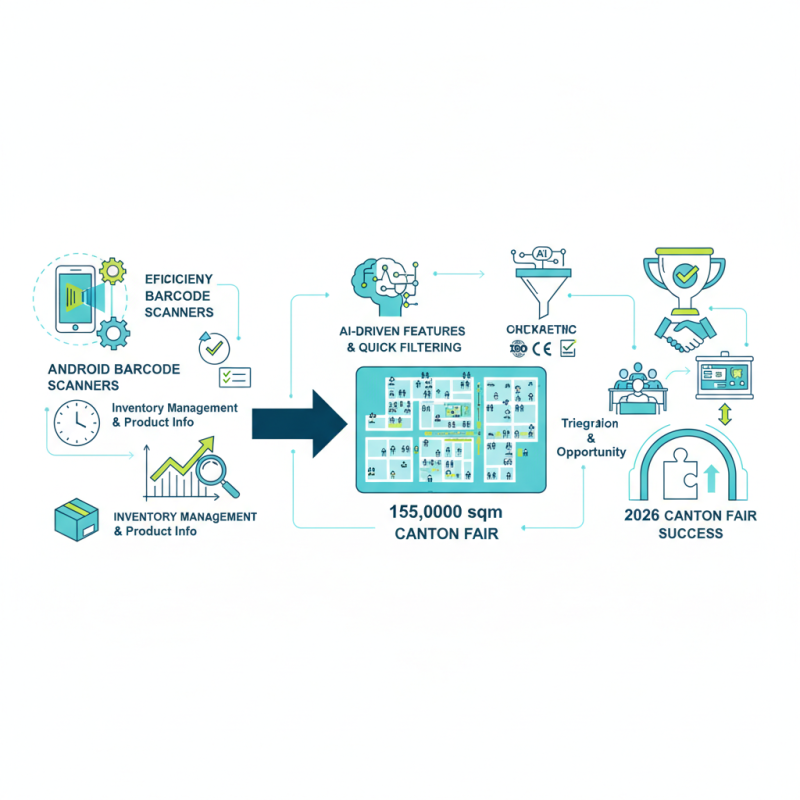
As the 2026 Canton Fair approaches, businesses must adapt to its evolving landscape. One crucial tool for success is the use of Android Barcode Scanners. These devices have become essential for efficient inventory management and quick access to product information. At an event spanning over 155,000 square meters, speed and accuracy are paramount.
The introduction of AI-driven features will enhance the experience for both buyers and sellers. For instance, quick filtering of suppliers based on certifications like ISO and CE is possible with these scanners. However, not all businesses are familiar with this technology. Some may struggle to integrate it into their operations. Relying solely on traditional methods can lead to missed opportunities.
Preparation is vital. Businesses should invest time in training their teams on these scanners. This ensures that everyone can navigate the fair effectively. The 2026 Canton Fair will present numerous opportunities, but without the right tools, these may slip away. Embracing Android Barcode Scanners could define success at this pivotal event.
Essential Features to Look for in Android Barcode Scanners
When preparing for the Canton Fair, choosing the right Android barcode scanner is crucial. Look for scanners that offer rapid scanning capabilities. A fast scanner saves time and enhances productivity during busy events. Consider the scanning distance, too. Some models perform better from afar, making them more versatile in crowded spaces.
Additionally, a user-friendly interface can make a significant difference. Intuitive design means less training time. Ensure the touchscreen displays are clear and responsive. Battery life is another essential feature. Long-lasting power helps avoid interruptions in scanning on long exhibition days.
Connectivity options matter as well. Wi-Fi and Bluetooth capabilities allow for seamless integration with existing systems. However, be cautious. Not all connections are stable. Check reviews before making decisions. Memory capacity should not be overlooked; more storage can accommodate large databases. Overall, focus on features that truly enhance your workflow, rather than getting lost in specifications.
Understanding Barcode Types and Their Applications at Trade Fairs
At trade fairs like the Canton Fair, understanding barcode types is crucial. Various barcodes serve different functions. For instance, QR codes are popular for quick information access. They can store URLs, text, and even contact details. On the other hand, UPC barcodes are essential for product sales. These codes help manage inventory effectively.
However, not all barcode scanners work seamlessly with every type. Some scanners may struggle with damaged or poorly printed codes. It’s essential to test scanners in advance. Choose those that perform well with your specific barcode types. Combining technology with good practices can enhance the fair experience.
While many rely on barcode scanning, human error is common. A misread barcode can lead to confusion. Make sure staff is trained properly. They should understand how to handle scanner issues. Also, some barcodes can be misleading if not displayed correctly. Attention to detail can prevent mishaps at important events.
Top Android Barcode Scanners Tips for 2026 Canton Fair Success
Tips for Optimizing Scanning Speed and Accuracy at the Canton Fair
When attending the Canton Fair, optimizing scanning speed and accuracy can make a big difference. You want every scan to be quick and precise. The fair is busy. A slow scanner can cost you valuable time.
Start by ensuring your device camera is clean. A dirty lens can lead to unclear scans. Next, adjust the brightness settings. Good lighting improves scan accuracy. Another tip: hold the barcode steady. Even slight movements can confuse the scanner.
Practice scanning different types of barcodes before the event starts. Familiarity boosts confidence. You might encounter diverse barcode formats. Some may require a specific angle for the best results.
Don’t overlook connectivity. A stable internet connection is vital for instant database updates. Learn your device's scanning features to maximize its potential. Simple adjustments can prevent frustrating delays.
Integrating Barcode Scanning with Inventory Management Systems
Integrating barcode scanning with inventory management systems is crucial for success in events like the Canton Fair. A recent report from the International Data Corporation (IDC) shows that businesses using barcode systems can improve their inventory accuracy by over 30%. This accuracy leads to better customer satisfaction. Having the right product in stock can make a big difference during busy trade shows.
However, not all systems are perfect. Some businesses face challenges when integrating barcode scanners with their existing inventory management software. Inconsistent data entry and scanning errors can cause discrepancies. A study by the Data Warehousing Institute indicates that about 25% of inventory records contain errors. This can lead to overstocking or stockouts. Effective training for staff is essential to minimize these errors.
Real-time data access can enhance operational efficiency. The global market for barcode technology is expected to reach $45 billion by 2026, according to Statista. This growth highlights the increasing importance of barcode technology. Smooth integration allows for quicker check-ins and better supply chain management. However, companies must ensure their infrastructure can support such systems. Adapting to new technology can be daunting, but the benefits are undeniable.
Best Practices for Using Android Barcode Scanners in a Trade Show Environment
When using Android barcode scanners at trade shows, efficiency is key. Positioning your scanner properly can dramatically improve data collection speed. Hold it steadily and aim precisely. A shaky hand can lead to failed scans. This can waste precious time at busy events like trade fairs.
Lighting conditions can vary greatly at these venues. Bright lights might cause reflections, making scanning difficult. Test your device before the event. Adjust settings as needed. Environment matters. Crowded spaces can hinder connectivity. Practice scanning in such conditions to ensure you're prepared.
Always have a backup plan. Technology can fail unexpectedly. Charge devices fully before the event. Carry an extra power bank. Familiarize yourself with the interface of the scanner. However, sometimes even the best-prepared plan falters. Regularly reassess your setup during the fair. Learning from each experience is vital. Use feedback to adapt and improve for each day of the show.