Top Tips for Choosing the Best CNC Laser Engraver?
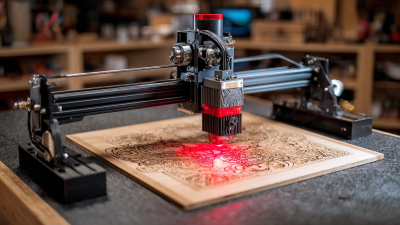
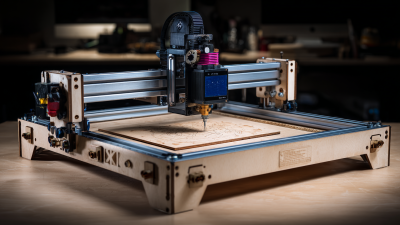
In the world of crafting and manufacturing, the CNC laser engraver stands out for its precision and versatility. Experts, like Mark Johnson, a leading technician in laser technology, emphasize the importance of choosing wisely. He once stated, “Selecting the right CNC laser engraver can significantly impact your output quality and efficiency.” His insight reflects the industry’s high stakes.
Choosing a CNC laser engraver isn’t just about the price tag. Features like wattage, software compatibility, and design capabilities matter greatly. Each project demands a different approach. You might find that a less expensive model lacks the features you need, leading to frustration. Sometimes, the best option seems too complex at first glance.
Potential buyers need to consider their specific needs. Reflecting on what you aim to create is essential. Are you engraving wood, metal, or acrylic? Each material demands unique settings and equipment. It’s easy to overlook these details, but doing so can affect your craftsmanship. The right CNC laser engraver can enhance your productivity and creativity. Choices may differ, but knowledge is your best tool.
Understanding CNC Laser Engravers: Types and Functions
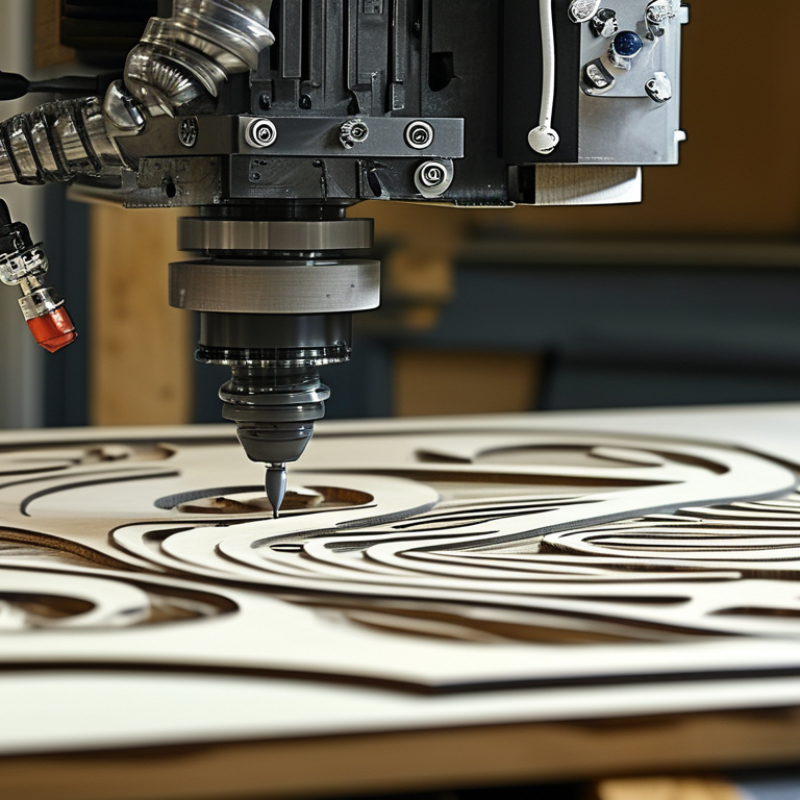
CNC laser engravers come in various types, each serving distinct functions. The most common types include CO2, fiber, and diode lasers. CO2 lasers excel at engraving non-metal materials like wood, acrylic, and glass. They are popular among artists and manufacturers due to their versatility. According to a recent report by MarketWatch, the demand for CO2 laser systems is projected to grow by 10% annually through 2026.
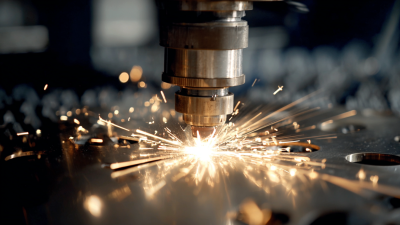
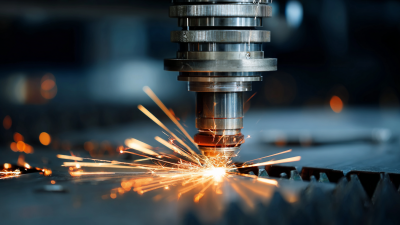
Fiber lasers, on the other hand, are ideal for marking and cutting metal. They offer superior energy efficiency and faster processing speeds. A survey by ResearchAndMarkets indicates that fiber laser technology is increasingly favored across automotive and aerospace sectors. Its ability to operate at high speeds enhances productivity but may require skilled operators to manage complex designs effectively.
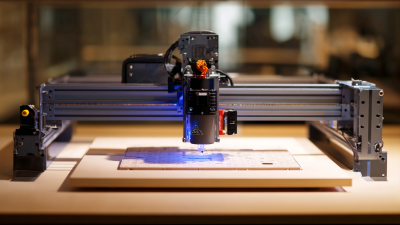
Diode lasers represent a more compact and budget-friendly option for hobbyists and small businesses. While they can handle lighter materials, their limitations may lead to longer job times and lower engraving quality on tougher surfaces. Users should weigh these factors and consider specific project requirements before making a choice. An ill-suited engraver can result in wasted materials and unreliability in final output, highlighting the importance of informed decision-making.
Key Features to Look for in a CNC Laser Engraver
Choosing the right CNC laser engraver is crucial for achieving high-quality results. One key feature to consider is the laser's power. Higher wattage allows for cutting through thicker materials. However, it also requires careful handling to prevent damage. Assess your typical projects and choose a machine that balances power and precision.
Another important aspect is the engraving area. A larger workspace provides more versatility. It allows for bigger projects without the need to reposition the material. However, machines with extensive engraving areas may be bulkier and less portable. Think about your workflow and storage space before making a selection.
Finally, consider the level of software compatibility. A user-friendly interface and good software support can make a significant difference. Look for engravers that offer intuitive controls and the ability to import various file types. This can save time and reduce learning curves. Finding the right CNC laser engraver requires thoughtful consideration. Aim for a balance of features that meet your specific engraving needs.
Evaluating Your Material Compatibility for Laser Engraving
When choosing a CNC laser engraver, evaluating material compatibility is crucial. Different materials react uniquely to laser engraving. For example, wood burns beautifully, while acrylic can melt or warp. Understanding the physical properties of your materials ensures high-quality results.
Consider testing small pieces before committing to a larger project. This practice helps identify the right power settings and speeds. It also illuminates how deeply the laser penetrates the material. Each type of laser may have strengths and weaknesses when it comes to engraving specific surfaces.
Experimenting with various materials is essential. Take notes on settings and outcomes for future reference. Not all lasers handle every material well. Some may offer precision on metal, while others excel on softer surfaces. Be prepared for some trial and error. The more you experiment, the more refined your skills become. Understanding your material’s interaction with the laser can significantly impact your engraving quality.
Material Compatibility for Laser Engraving
Budget Considerations: Finding a CNC Laser Engraver That Fits
When choosing a CNC laser engraver, budget considerations are crucial. The price range can vary significantly. You may find machines that cost a few hundred dollars to several thousand. Understand what you can afford. This will narrow down your options effectively.
Consider the features you need versus what you want. Higher-priced models often offer advanced functionalities. However, if you're just starting, you may not need all those features. Think about your project's scope. Are you engraving simple designs or intricate artwork? Adjust your budget based on your intended use.
Research helps to identify models that fit within your financial limits. Read reviews and expert opinions. Sometimes, budget machines can perform surprisingly well. Yet, they may lack longevity or support. Balance affordability with quality. Sometimes it’s worth investing a bit more to avoid future disappointments.
Top Tips for Choosing the Best CNC Laser Engraver
| Feature |
Entry-Level |
Mid-Range |
Professional |
| Price Range |
$200 - $500 |
$500 - $1500 |
$1500+ |
| Laser Power |
40W - 60W |
60W - 100W |
100W+ |
| Max Engraving Area |
300 x 200 mm |
600 x 400 mm |
1200 x 800 mm |
| Connectivity Options |
USB |
USB, Ethernet |
USB, Ethernet, Wi-Fi |
| Software Compatibility |
Basic Software |
Advanced Software |
Professional Software |
Maintenance and Support: Ensuring Longevity for Your CNC Engraver
Regular maintenance is crucial for the longevity of your CNC laser engraver. A study by the American National Standards Institute (ANSI) suggests that proper upkeep can extend the life of machinery by 30%. Simple acts like cleaning the lens and checking the alignment can prevent costly repairs. Engravers are sensitive to dust and debris, which can interfere with their precision.
Routine inspections are essential. Reports show that 20% of mechanical failures result from inadequate maintenance. Many users overlook minor issues until they escalate. Checking fluid levels and electrical connections should be part of a regular checklist. Small lapses can lead to significant downtime, affecting productivity.
Support from manufacturers plays a vital role. A report from the International Society of Automation reveals that 70% of users value technical support. Long-term success often hinges on access to expert advice and replacement parts. Investing time in understanding your equipment's needs leads to better performance. While most operators are skilled, an occasional hiccup can expose gaps in knowledge. Embracing a learning approach can help mitigate such scenarios.