What are Butterfly Valves for Sale and How to Choose Them?
When looking for butterfly valves for sale, it is important to understand their purpose. These valves control the flow of fluids with a simple quarter-turn mechanism. They are essential in many industries, from water treatment to food processing. The design facilitates efficient operation and reduces wear over time.
Choosing the right butterfly valve requires attention to detail. Consider factors like size, pressure rating, and material. Choosing the wrong valve can lead to costly failures. Additionally, not all valves are created equal; quality varies among manufacturers. This can often complicate the selection process.
Many buyers overlook the importance of compatibility. Ensure that the valve fits your existing system. Poor choices can result in leaks or inefficient operation. Understanding these aspects can greatly enhance your experience. Seek expert advice if uncertain. The right butterfly valves for sale can make all the difference in your project.
What are Butterfly Valves and Their Applications?
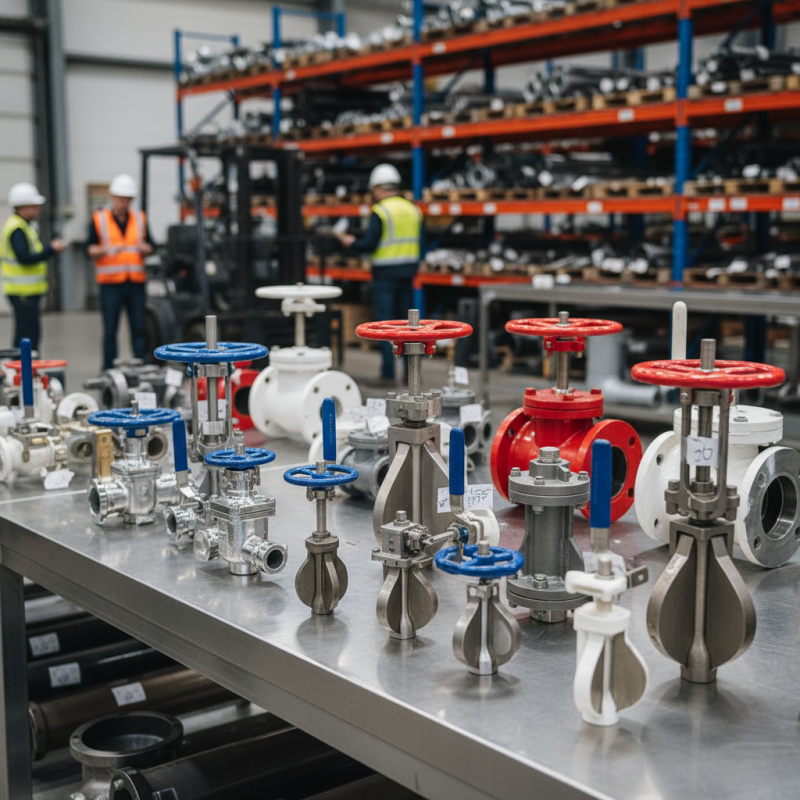
Butterfly valves are essential components in various industries. They control the flow of fluids by using a rotating disc that opens or closes the valve. Their design allows for quick operation, making them ideal for many applications. Commonly used in water treatment plants, chemical processing, and HVAC systems, butterfly valves offer reliable performance in managing different types of fluids.
When selecting a butterfly valve, it’s crucial to consider specific criteria. The size and pressure rating significantly impact performance. Improper sizing can lead to inefficient operation. Material choice is another vital factor. Different materials are suitable for different environments, such as corrosive substances or high temperatures. Knowing the fluid type and operating conditions can help in making the right choice.
Installation can present its own set of challenges. Misalignment can cause leakage, while incorrect torque on bolts can lead to failure. Regular maintenance is equally important; neglecting this can result in costly repairs. Investing time in understanding the system and carefully choosing and maintaining butterfly valves can ensure they perform optimally. It's a process that requires attention to detail and a willingness to learn from past mistakes.
Key Components and Mechanism of Butterfly Valves
Butterfly valves are essential components in various industries. Their key mechanism involves a disc that rotates on a shaft. This rotation allows for the control of flow within pipes. The simplicity of this design contributes to ease of maintenance. Additionally, butterfly valves exhibit a lightweight structure. This feature enables them to be installed in tight spaces effectively.
When choosing a butterfly valve, consider the materials used. Common materials include stainless steel, cast iron, and PVC. Each material has unique properties, affecting durability and cost. Data from industry reports indicate that stainless steel valves dominate the market, accounting for 40% of sales. Understanding your application's specific requirements is crucial.
Tips: Make sure to assess the operating conditions. Know the pressure and temperature limits. This will help you select the correct valve type. It's essential to recognize the potential consequences of poor valve selection. Improperly sized or incorrectly materialled valves can lead to costly repairs. Conduct thorough research and consult experts when making your choice.
Butterfly Valve Types and Their Market Demand
Factors to Consider When Choosing Butterfly Valves
When choosing butterfly valves, several factors come into play. Operating conditions are critical. The temperature and pressure of the application can significantly impact valve performance. According to industry reports, almost 30% of valve failures are linked to inappropriate material selection. Ensuring the valve's construction matches these parameters is essential.
Another aspect to consider is the size and type of the valve. Installed space limitations may restrict size options. It’s not uncommon for facilities to overlook this detail, leading to installation challenges. The valve must fit within the piping layout without causing unnecessary strain. Furthermore, the selection should include considerations for the type of actuator. Pneumatic and electric actuators have different operational profiles and maintenance needs.
Lastly, it's important to assess the valve's flow characteristics. A poorly chosen valve can lead to reduced efficiency. Flow coefficient (Cv) is vital in determining how much fluid a valve can handle. According to a study, nearly 25% of energy costs in fluid systems are attributed to poor valve choices. This reveals a pressing need for due diligence in the selection process. Engaging with experts and reviewing case studies can help refine decisions.
Factors to Consider When Choosing Butterfly Valves
| Factor | Description | Typical Applications |
| Material | Common materials include brass, stainless steel, and plastic, affecting durability and corrosion resistance. | Water treatment, chemical processing |
| Size | Available in various diameters, sizing is critical to control flow rates. | HVAC systems, water supply systems |
| Pressure Rating | Rated for different pressures; must match system requirements to prevent leaks. | Oil and gas, industrial applications |
| End Connection Type | Includes flanged, threaded, or welded connections; choose based on installation method. | Pipelines, machinery |
| Actuation Type | Manual, pneumatic, electric; affects ease of operation and control. | Automated processes, manual operations |
| Temperature Rating | Must withstand operating temperatures; ranges from cryogenic to high-temperature applications. | Power plants, food processing |
Different Types of Butterfly Valves Available for Sale
Butterfly valves are essential in various industries. They control flow efficiently with a simple design. The market offers multiple types of butterfly valves, including concentric, eccentric, and double eccentric models. Each type has unique features suitable for different applications. For example, concentric valves are often used in water treatment due to their lightweight and cost-effectiveness.
Eccentric butterfly valves provide more sealing capabilities. They prevent flow leakage in high-pressure situations. According to a recent industry report, the demand for eccentric valve types has increased by 20% over the past three years. This surge highlights their growing importance in oil and gas sectors. Additionally, double eccentric valves are ideal for high-temperature applications. They provide excellent durability, but they can be more expensive.
When selecting a butterfly valve, consider the application. Do you need a lightweight option? Or perhaps something more robust for extreme conditions? Understanding the specific requirements of your project is crucial. Some users overlook this aspect, leading to costly replacements later. You can lower maintenance needs by choosing the right type from the start.
Maintenance Tips for Butterfly Valves to Ensure Longevity
Butterfly valves play a crucial role in regulating flow in various systems. To ensure their longevity, proper maintenance is essential. Regular inspections can prevent minor issues from escalating. Check for leaks around the seals and ensure the valve operates smoothly. A sticky valve may indicate dirt buildup or corrosion. Cleaning it regularly can save time and costs later.
Lubrication is another vital aspect of maintenance. Use appropriate lubricants on the stem and bearings. This reduces wear and keeps the valve functioning efficiently. However, avoid over-lubrication, as it can attract dirt. Instead, apply a small amount and wipe off the excess.
Lastly, environmental factors can affect butterfly valves. Extreme temperatures or exposure to corrosive substances may shorten their lifespan. Implementing protective coatings or choosing a suitable valve for the environment can help. Consider these elements when deciding on butterfly valve purchases. Sometimes, we overlook these details, thinking they are minor. In truth, they can make a significant difference in performance and durability.