Automated Warehouse System Innovations at Canton Fair 2026?
The 2026 Canton Fair brings exciting innovations in the field of Automated Warehouse Systems. This event showcases advanced technologies that promise to transform logistics and warehousing. With a focus on smart solutions, exhibitors are ready to demonstrate how these systems enhance efficiency.
AI-driven features are a highlight this year. A new smart search function allows buyers to pinpoint suppliers with essential credentials quickly. This capability speeds up the decision-making process. Attendees can navigate the extensive 1.55 million square meters of exhibition space with ease, thanks to precise path planning.
However, not all aspects are flawless. The reliance on technology raises concerns about over-automation. Will human oversight diminish in crucial operations? It's essential to balance innovation with traditional methods to ensure reliability and accountability. The future of Automated Warehouse Systems is promising, but reflection on its impact is necessary.
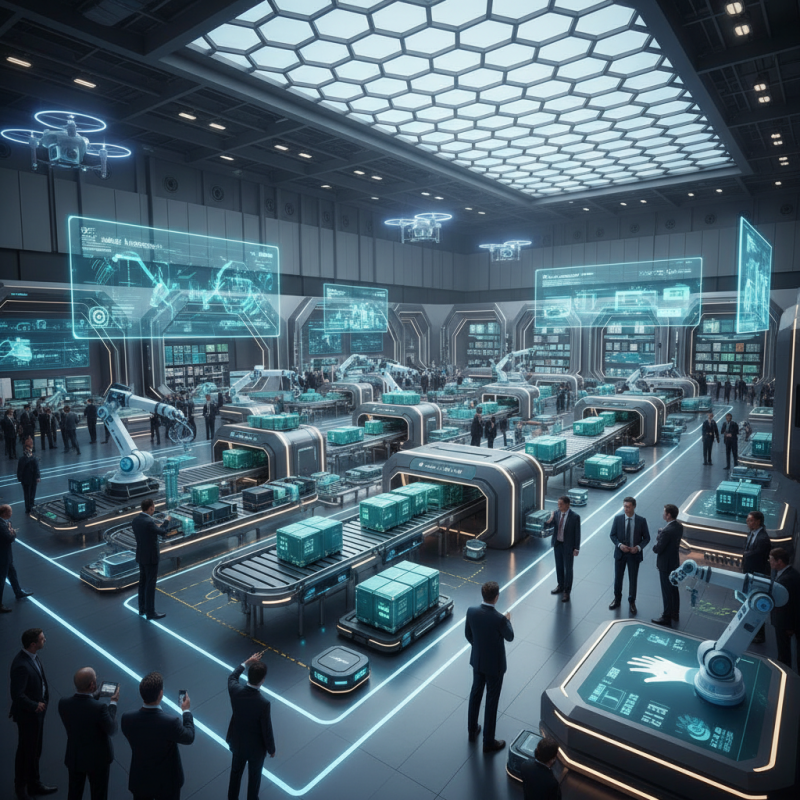
Innovative Technologies Showcased in Automated Warehouse Systems
The Canton Fair 2026 is set to unveil groundbreaking innovations in automated warehouse systems. According to industry reports, the market for automation in logistics has been growing at an impressive rate of 14.5% annually, driven by the demand for efficiency and accuracy. Automated systems are becoming essential. They enhance inventory management and reduce human error. However, the technology adoption can pose challenges.
One remarkable innovation is the use of AI-driven robotics. These robots can navigate complex warehouse environments. They can identify and track inventory in real-time. Reports indicate that warehouses implementing AI can improve picking accuracy by over 30%. Yet, implementing these technologies requires substantial investment and training. Not all companies can adapt quickly.
The integration of IoT in warehouse management is another highlight. Sensors and connected devices allow for seamless communication between machinery. This can lead to smarter inventory decisions. However, security remains a considerable concern. Data breaches could undermine all advancements. The balance between innovation and risk management is delicate and needs constant reflection.
Automated Warehouse System Innovations at Canton Fair 2026
| Feature | Description | Benefits | Technology Used |
| Automated Picking | Robotic systems that select items from shelves. | Increases speed and accuracy in order fulfillment. | Robotics, AI |
| Inventory Management Software | Software for tracking and managing stock levels. | Reduces human error and streamlines restocking. | Cloud Computing, IoT |
| Automated Guided Vehicles (AGVs) | Robots that transport goods within the warehouse. | Enhances efficiency in goods movement. | Lidar, AI |
| Smart Shelving Systems | Shelving that organizes and adjusts based on inventory data. | Maximizes storage space and eases access to items. | AI, Data Analytics |
| Temperature Control Systems | Systems that maintain optimal temperatures for products. | Ensures product quality for temperature-sensitive items. | IoT, Sensors |
Key Players and Exhibitors at Canton Fair 2026
Canton Fair 2026 will spotlight automated warehouse systems, with several key players showcasing innovations. Exhibitors are expected to present advanced technologies aimed at increasing efficiency and reducing costs. According to recent industry reports, the automated warehouse market is projected to grow by 14% annually through 2027, highlighting the urgency for companies to adopt these systems.
A range of global actors will display their advanced solutions, from robotics to AI-driven inventory management. Innovations such as autonomous guided vehicles (AGVs) and real-time data tracking are becoming benchmarks in the industry. However, challenges remain. Integration with existing systems can be complex and costly. Many businesses struggle with the initial investment, even as demand for automated solutions continues to rise.
Furthermore, as automation increases, so do concerns about labor displacement. The workforce must adapt, acquiring new skills to thrive alongside these technologies. It's crucial for companies to invest in training programs. Data indicates that firms prioritizing workforce development see a 25% increase in productivity. Yet, many companies still overlook this aspect, leading to potential inefficiencies. The balance between innovation and workforce development is delicate, and it requires serious attention.
Benefits of Automation in Warehouse Operations
The rise of automation in warehouse operations is transforming logistics. At the Canton Fair 2026, innovative automated systems promise enhanced efficiency. These systems can optimize storage and retrieval processes, making them faster and more precise. Items are tracked in real-time, reducing human error. As a result, warehouses can minimize labor costs and improve inventory accuracy.
Automation can also lead to challenges. Implementing new technology requires significant investment and training. Some employees may need to adapt to new roles. The fear of job loss can create resistance among staff. However, embracing automation can mitigate these issues by improving workplace safety and allowing workers to focus on more strategic tasks.
Incorporating automation isn't a one-size-fits-all solution. Each warehouse has unique needs. Customization is crucial to ensure effectiveness. While the benefits of increased productivity are evident, ongoing assessment is necessary. Regular feedback from employees can help refine automated processes. Balancing innovation with human elements is vital for long-term success.
Future Trends in Warehouse Automation Technology
The warehouse automation landscape is evolving rapidly. Future trends point to the integration of AI and robotics. These technologies are reshaping how goods are stored and retrieved. Automated systems will increase efficiency and reduce human error. It’s exciting, yet there are challenges to consider.
Many companies are exploring autonomous vehicles and drones. These innovations can speed up processes and lower costs. They promise significant improvements, but not without hurdles. Implementing such systems can be complex. Training personnel to work with new machinery is essential. The technology can be intimidating.
Sustainability is also a growing trend. Eco-friendly warehouse designs and energy-efficient systems are gaining traction. However, developing these solutions requires upfront investment. Companies may struggle to balance efficiency and cost-effectiveness. Embracing change is vital, yet there is discomfort in the unknown. Adaptation is necessary, but not always easy.
Impact of Automated Systems on Supply Chain Efficiency
The rise of automated warehouse systems is changing supply chain dynamics. At the Canton Fair 2026, many innovations will highlight this trend. These systems promise to improve efficiency by streamlining inventory management and reducing human errors. For instance, robotics can swiftly sort and pack items, minimizing mistakes common in manual processes. However, reliance on these machines raises significant concerns about workforce displacement.
Automated systems also enhance data tracking capabilities. With real-time updates, companies can react quickly to market changes. Yet, data security remains a pressing issue. As warehouses become more interconnected, vulnerabilities increase. Hackers can target these systems, jeopardizing sensitive information. This dilemma highlights the need for robust cybersecurity measures alongside automation.
While these innovations offer considerable benefits, they come with challenges. Integration can be complex and costly. Many businesses struggle to adapt existing infrastructure. Additionally, training staff to work alongside machines requires time and resources. Finding the right balance is essential. The path forward is not solely about technology but also about managing its impact on people and processes.