China Top 10 Alat Spray Drying Manufacturers and Suppliers
China’s spray drying industry is moving from basic powder production toward precise, energy-conscious processing. This shift supports dairy, food ingredients, pharmaceuticals, ceramics, and biological materials.
Grand View Research estimates that the global spray drying equipment market reached about USD 4.7 billion in 2023. Its report also projects steady growth through 2030. MarketsandMarkets presents a similar outlook, although its market values differ. Such differences deserve attention. Definitions and regional coverage can change the numbers.
China remains important because its manufacturers combine stainless-steel fabrication, automation, and competitive production costs. A modern tower may include a rotary atomizer, fluid-bed dryer, cyclone separator, and closed-loop control system. These details influence powder moisture, particle size, solubility, and product stability.
Dr. Arun S. Mujumdar, a recognized drying-technology scholar and editor of Handbook of Industrial Drying, has described spray drying as “one of the most versatile methods of drying.” His observation remains practical today. However, equipment rankings should not depend on factory size alone. Testing facilities, hygienic design, validation support, after-sales service, and documented operating results matter just as much.
This guide examines China’s top Alat Spray Drying manufacturers and suppliers through those criteria. It considers application experience, engineering capability, customization, certifications, and export reliability. Some suppliers look impressive online but provide limited technical evidence. That gap should encourage careful verification, not quick conclusions.
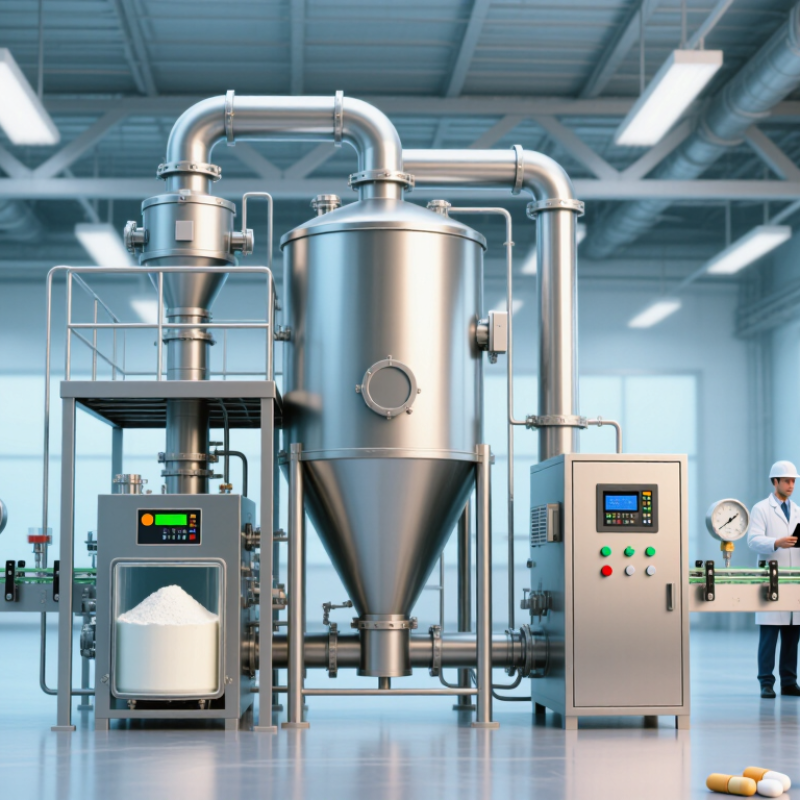
What Is Spray Drying and Why Does Manufacturer Selection Matter?
Spray drying converts a liquid feed into a dry powder through controlled atomization and hot air. Droplets travel through a drying chamber, losing moisture within seconds. The process can protect texture, improve handling, and support consistent dosing. It sounds simple. It is not.
Manufacturer selection matters because equipment design directly affects product quality, energy use, and cleaning efficiency. An experienced supplier should explain chamber dimensions, nozzle choices, airflow patterns, and temperature controls in practical terms. Ask for test data using a similar feed, not only attractive laboratory figures. Reliable suppliers also provide material traceability, operating records, maintenance guidance, and documented quality procedures. These details reveal professional discipline. However, even strong suppliers may present limitations poorly. That deserves careful questioning.
Tips: Request a pilot trial before purchasing. Measure moisture, particle size, yield, bulk density, and heat exposure. Check how quickly operators can dismantle contact parts. Confirm whether the proposed system fits your utilities and production space. Speak with technical references when possible, but treat every reference as one viewpoint. A powder that performs well in testing may behave differently at full scale. Small changes in viscosity, solids content, or inlet temperature can shift results. This is where honest review matters.
Why Manufacturer Selection Matters in Spray Drying
Spray-drying equipment must match the thermal sensitivity, feed properties, target moisture content, and required production capacity of the product. The representative operating temperatures below show why different applications require different dryer designs, control systems, atomizers, and heat-recovery solutions.
How to Evaluate China’s Spray Drying Equipment Manufacturers
Evaluating China’s spray drying equipment manufacturers requires more than comparing catalog prices. Check whether the supplier understands your feed material, target moisture, particle size, and heat sensitivity. Ask for test data using a similar formulation, not only general performance claims. A reliable manufacturer should explain evaporation capacity, inlet and outlet temperatures, atomization method, and expected powder recovery.
Visit the workshop when possible. Inspect stainless-steel finishing, weld quality, insulation, control cabinets, and assembly discipline. Small details matter. Request a pilot trial with recorded operating conditions. The trial should show powder appearance, moisture results, wall deposits, energy use, and cleaning time. A glossy brochure is not proof.
Technical credibility also appears in documentation. Review process drawings, material certificates, electrical standards, risk assessments, and maintenance instructions. Confirm whether engineers can support installation, commissioning, operator training, and troubleshooting after delivery. Ask for clear warranty terms and spare-parts availability. Speak with comparable users, but question overly perfect references. Real production includes adjustments, delays, and occasional failed batches. A supplier that admits limitations may be more dependable than one promising every result. Pricing deserves attention, yet lifecycle cost often depends on controls, seals, filters, labor, and downtime.
China’s Top 10 Spray Drying Manufacturers and Suppliers
China’s top 10 spray drying manufacturers and suppliers serve food, dairy, chemical, pharmaceutical, and material-processing industries. Their equipment converts liquid feed into stable powder through controlled hot-air drying. Selection should focus on engineering capability, not attractive catalog photos.
Experienced buyers inspect feed capacity, inlet and outlet temperatures, atomizer design, chamber materials, and powder recovery efficiency. Stainless steel construction matters when cleaning frequency is high. A reliable supplier should provide pilot testing, thermal calculations, installation drawings, and clear maintenance guidance. Factory visits can reveal practical details, such as weld quality, airflow balance, and access to filters.
The strongest manufacturers usually offer customized systems rather than one fixed model. They may integrate fluid-bed units, cyclone separators, bag filters, or automated cleaning systems. Ask for documented test results using a similar liquid feed. Reference projects also deserve careful checking, because some performance figures depend heavily on laboratory conditions. No supplier is perfect. Delivery coordination, spare-part availability, and after-sales response can still become weak points. Buyers should compare energy use, powder yield, operator training, and long-term service before signing a contract. A small pilot run may expose problems that technical brochures never mention.
How to Choose the Right Chinese Spray Drying Supplier
Choosing a Chinese spray drying supplier requires more than comparing quoted prices. Start with the material, target moisture, particle size, throughput, and heat sensitivity. A reliable supplier should explain how each variable affects chamber size and atomization. Ask for trial data using a sample close to your actual feed. Small differences in viscosity can change nozzle performance. Real production experience matters here. Photos are not enough.
Review engineering evidence before signing. Request process flow diagrams, utility consumption, material certificates, welding records, and cleaning details. For food or pharmaceutical applications, confirm suitable documentation, traceability, and compliance with applicable local and international requirements. Check whether the control system records inlet temperature, outlet temperature, feed rate, and alarms. These records help operators investigate unstable powder quality. A factory visit can reveal practical details, such as spare parts storage, calibration habits, and dust-control arrangements. Do not rely on a polished meeting room.
Service capability often decides whether equipment remains useful after installation. Clarify commissioning support, operator training, response times, warranty limits, and the availability of critical seals, pumps, and nozzles. Speak with comparable users when possible, but treat references carefully. One successful project proves little. A written acceptance test should define evaporation capacity, moisture range, powder recovery, and acceptable deviations. No supplier is perfect. I would leave room for redesign, because pilot assumptions sometimes fail at full scale. A transparent supplier will discuss those risks instead of promising effortless results.