How to Choose the Best Embedded IPC for Your Project?
Choosing the right Embedded IPC is crucial for any project. Embedded IPCs, known for their compact design and efficiency, significantly impact performance. According to a recent industry report by MarketsandMarkets, the global Embedded IPC market is projected to reach $8.5 billion by 2026. This growth highlights the importance of selecting the appropriate device for specific applications.
Expert in the field, Dr. James Cooper, mentions, "The right Embedded IPC enhances not only performance but reliability in critical systems." His insights underscore that choosing an incorrect model can lead to suboptimal functionality. Factors influencing choices include processing power, connectivity options, and environmental resilience.
While many options are available, navigating these choices can be daunting. Each project has unique requirements. A mismatch can lead to unexpected challenges. Therefore, understanding product specifications and application needs is vital. Careful consideration minimizes potential drawbacks and supports project success.
Understanding Embedded IPC: Definition and Types
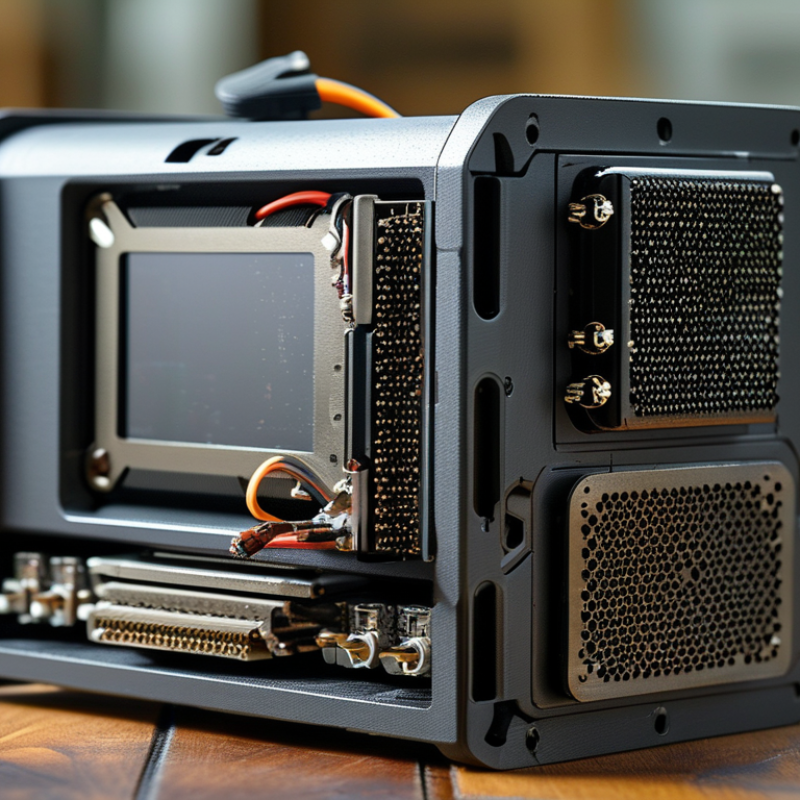
When selecting an embedded IPC (Industrial PC) for your project, understanding the different types available is crucial. The two primary categories are fanless and traditional designs. Fanless IPCs utilize passive cooling, making them suitable for harsh environments. They tend to have lower maintenance needs since they lack moving parts. On the other hand, traditional designs may offer better performance and expandability. They have active cooling mechanisms, which can enhance their processing power.
Tips: Consider your project's environmental conditions. A fanless model might be better for dusty or humid areas. Evaluate your processing requirements too. If heavy applications are needed, a traditional IPC may be more appropriate.
It's also important to think about the interfaces and connectivity options. Some embedded IPCs come with multiple ports for connectivity. This can be beneficial if your application requires diverse integrations. However, not all models provide ample connectivity. Always double-check the specifications to ensure compatibility with your peripherals.
Tips: Assess the types of devices you need to connect. Creating a list can simplify your decision-making process. Factor in future expansion. Will your project evolve? Planning ahead could save time and money later.
How to Choose the Best Embedded IPC for Your Project? - Understanding Embedded IPC: Definition and Types
| Feature | Description | Importance |
| Processor Type | Determines the performance and power efficiency of the IPC. | High |
| I/O Ports | Variety of input/output options available for connecting peripherals. | Medium |
| Operating System Compatibility | Supports specific OS to run the intended applications. | High |
| Size and Form Factor | Physical dimensions that affect integration into existing systems. | Medium |
| Power Consumption | Amount of power required for operation, impacts thermal management. | High |
| Reliability | Long-term operational stability and MTBF (Mean Time Between Failures). | Very High |
| Temperature Operating Range | The environment temperature limits for the IPC to function properly. | High |
Key Factors to Consider When Choosing an Embedded IPC
When selecting the best embedded IPC for your project, several key factors deserve careful consideration. First, processing power is critical. Modern embedded IPCs often utilize multi-core processors, which can enhance performance significantly. According to industry reports, systems with higher processing capabilities can manage complex tasks more efficiently, boosting overall project productivity. An IPC's architecture, often x86 or ARM, affects power consumption and operational efficiency.
Another vital aspect is connectivity. Embedded systems require robust networking options. Many devices now support Ethernet, Wi-Fi, and even cellular connectivity. A report by industry analysts indicates that around 78% of embedded applications prioritize seamless communication capabilities. This trend emphasizes the need for an IPC that can easily integrate with various IoT protocols to ensure future scalability.
Durability and environmental factors also play a crucial role. Embedded IPCs are often deployed in harsh conditions. For instance, an IPC intended for industrial environments should withstand extreme temperatures and vibrations. Data from market research shows over 62% of failures in embedded systems are related to inadequate environmental resistance. Balancing performance, connectivity, and durability is essential to meet project requirements effectively.
Evaluating Performance Specifications for Your Embedded IPC Needs
When selecting an embedded IPC, performance specifications are key. A report from VDC Research indicates that processing speed directly impacts system efficiency. Look for an IPC that offers adequate processing power for your specific applications. Typically, processing speeds of 1.5 GHz to 3.5 GHz are common in industrial settings. Understanding your workload is crucial; complex computations require higher specifications.
Memory capacity is another vital aspect. Systems with 4 GB to 16 GB of RAM cater to most industrial applications. However, growing data needs might demand more. According to a recent analysis by Embedded Market Maturity, 35% of companies surveyed reported performance issues due to insufficient memory. This highlights the importance of evaluating RAM requirements thoroughly.
Thermal management cannot be neglected. Operating temperatures of embedded systems often range from -40°C to 85°C. In harsh environments, inadequate cooling solutions lead to failures. A study from the Industrial Internet Consortium found that 70% of IPC failures relate to overheating. Proper thermal specifications enhance reliability significantly, ensuring longevity and reducing maintenance costs in the long run.
Balancing these specifications is essential for optimizing performance and reliability.
Compatibility and Integration Requirements for Embedded IPC
When selecting the best embedded IPC for your project, understanding compatibility and integration is crucial. An industry report indicates that nearly 70% of project delays stem from integration issues. This statistic highlights the need for thorough analysis before making your choice.
Evaluate communication standards like CAN, RS-232, and Ethernet. Ensure that your selected IPC supports these protocols. Experts suggest that a mismatch in communication standards can lead to significant setbacks. Therefore, assessment of these factors must be a priority during the selection process.
Consider the operating systems you plan to use. A report showed that over 50% of embedded systems utilize Linux-based environments. Compatibility with your chosen OS is vital. Ignoring this detail may complicate software development and maintenance. Addressing these requirements upfront can prevent frustrating challenges later.
Cost Considerations and Budgeting for Your Embedded IPC Solution
When planning your embedded IPC solution, budget considerations are critical. The initial cost might seem daunting, but a comprehensive budget takes into account various factors. According to a report by Markets and Markets, the global embedded computing market is expected to reach $158 billion by 2025. Understanding the trends in this market can help you allocate resources effectively.
Costs may include hardware, software, and integration services. Hardware alone can range from $300 to over $1,000, depending on specifications. Software licensing can add another layer of expenses. It's crucial to evaluate your project's requirements to avoid overspending on unnecessary features. Sometimes, a mid-range option can fulfill your needs without compromising functionality.
Don't overlook the total cost of ownership (TCO). This includes maintenance and potential upgrades. Some systems might appear cheaper initially but incur higher operating costs. An effective budgeting strategy also considers hidden expenses. These may arise during development or from delays. Reliable cost estimates stem from thorough market research and expert consultations. The goal is to achieve a balance that meets project requirements and stays within budget constraints.
Cost Considerations for Embedded IPC Solutions
This bar chart illustrates the estimated costs for different categories of embedded IPC solutions. The data reflects a range of pricing that is common in the industry, helping project managers and developers make informed budgeting decisions.