Why Choose Progressive Stamping Die for Your Manufacturing Needs?
In the competitive landscape of manufacturing, the choice of tooling is critical. The use of a Progressive Stamping Die can significantly enhance production efficiency and reduce costs. According to a report by Smithers Pira, the metal stamping industry is expected to grow by 3.6% annually through 2028. This growth aligns with the increasing demand for precision parts across various sectors.
Progressive stamping dies are designed to produce high volumes of complex parts with tight tolerances. They seamlessly integrate multiple operations into a single process, reducing handling and cycle times. This efficiency means manufacturers can respond quickly to market demands. Additionally, a study by the Manufacturing Institute highlights that companies using advanced tooling methods see a 20% increase in output.
However, not all manufacturers fully leverage the benefits of progressive stamping dies. Some may face challenges in upfront investment and require training to maximize potential. As the industry evolves, adapting to these advanced solutions is crucial for maintaining a competitive edge. Emphasizing the advantages of Progressive Stamping Die can lead to smarter manufacturing choices and improved product quality.
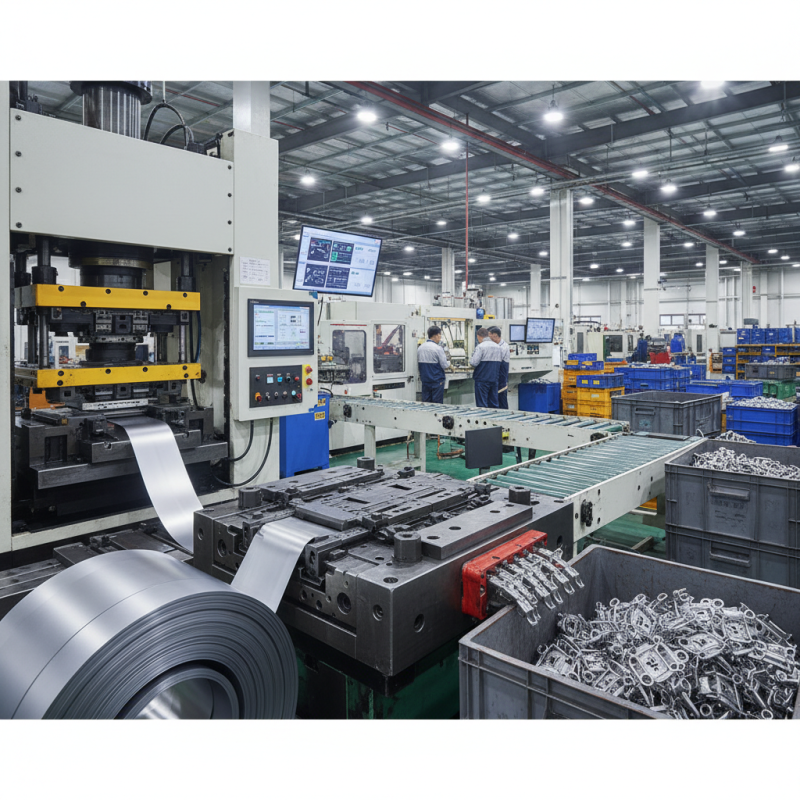
Benefits of Progressive Stamping Die in Manufacturing Processes
Progressive stamping dies play a pivotal role in modern manufacturing. They enhance efficiency by allowing multiple operations in a single process. This saves both time and labor costs, which can be crucial for maintaining competitiveness. A well-designed die can produce complex parts with minimal waste, ensuring a better yield from raw materials.
One significant benefit is reduced setup time. With progressive dies, manufacturers can achieve consistent results quickly. This is important in industries where precision matters, such as automotive and electronics. By automating the stamping process, it also reduces the likelihood of human error. The result? Higher quality parts with less variability.
Tips: Always evaluate the quality of materials used in dies. High-quality materials can lead to longer die life and better performance. Regular maintenance is also critical. Inspecting and servicing dies can prevent unexpected downtime.
Another aspect to consider is the learning curve for employees. Training is essential for effective use of progressive stamping dies. After all, a sophisticated machine without knowledgeable operators may not reach its full potential. Investing in proper training can pay off significantly in productivity and safety.
Understanding Progressive Stamping Die: An Overview
Progressive stamping dies are vital in modern manufacturing. They play a crucial role in creating precise metal parts. Understanding how these dies function helps manufacturers choose the right tools. A progressive stamping die processes materials in a series of steps. Each step shapes the material gradually, reducing waste and increasing efficiency.
Manufacturers benefit from the speed and automation of progressive stamping. Parts are produced faster compared to traditional methods. This process allows for better mass production with less labor involved. However, some challenges exist. Designing a progressive die requires expertise. Mistakes in design can lead to costly errors.
Maintenance is another crucial aspect. Regular checks must be performed to ensure the die operates smoothly. Neglecting this can result in quality issues, affecting the end product. Understanding these facets enhances reliability and performance. A comprehensive grasp of progressive stamping dies is essential for effective manufacturing.
Comparing Progressive Stamping Die with Traditional Die Options
In manufacturing, the choice between progressive stamping dies and traditional die options can significantly impact efficiency. Progressive stamping dies operate on a continuous process. They feed metal strips through a series of stations, creating complex parts in one go. This method enhances production speed, reduces waste, and minimizes handling time.
Traditional dies require multiple setups and processes. Each step often involves unloading, repositioning, and reloading materials. This can extend production timelines and increase the risk of errors. While traditional dies may be suitable for low-volume production, their limitations become evident in large-scale manufacturing scenarios.
Progressive stamping dies offer precision. They maintain tight tolerances, leading to higher-quality outputs. However, the initial investment in progressive tooling can be significant. Manufacturers must weigh the costs against potential productivity gains. Balancing these factors can be challenging, yet it is vital for sustainable growth in a competitive landscape.
Applications of Progressive Stamping Die in Various Industries
Progressive stamping dies are essential tools in various manufacturing sectors. Their ability to produce complex parts efficiently makes them valuable. In the automotive industry, they create components like brackets and clips. These parts require high precision and durability. With progressive dies, manufacturers can achieve both. The process reduces waste and production time, which are significant advantages.
Electronics is another sector leveraging progressive stamping. Here, intricate designs for connectors and housings are common. Manufacturers face challenges with tight tolerances. Progressive dies can handle these demands, ensuring reliable performance. The consistent quality from these tools minimizes defects and enhances productivity.
However, not every application suits progressive stamping. Some projects may require custom solutions. This can lead to higher costs and longer lead times. Manufacturers must weigh these factors carefully. Prospective challenges include tooling changes and maintenance issues. Despite these hurdles, progressive stamping remains a cornerstone in efficient manufacturing across industries.
Factors to Consider When Choosing a Progressive Stamping Die
When selecting a progressive stamping die, several critical factors come into play. The design complexity of the die is paramount. A die with intricate features can meet diverse manufacturing requirements. Additionally, evaluating materials is crucial. Different jobs require different metal types. Choose materials that enhance durability while ensuring efficiency.
Cost is another essential factor. While lower prices can be tempting, they might not guarantee high-quality outputs. Investing in reliable equipment can save expenses in the long run. Prototype designs often help spot potential issues early. Testing your die can prevent costly mistakes later in production.
Supplier reputation also deserves attention. Research their experience and client feedback. Engaging with an established supplier can make a significant difference. Check if they offer support services. Access to expertise can be invaluable during the production process. This ensures smoother operations and better outcomes. Prioritizing these factors aids in making informed decisions.