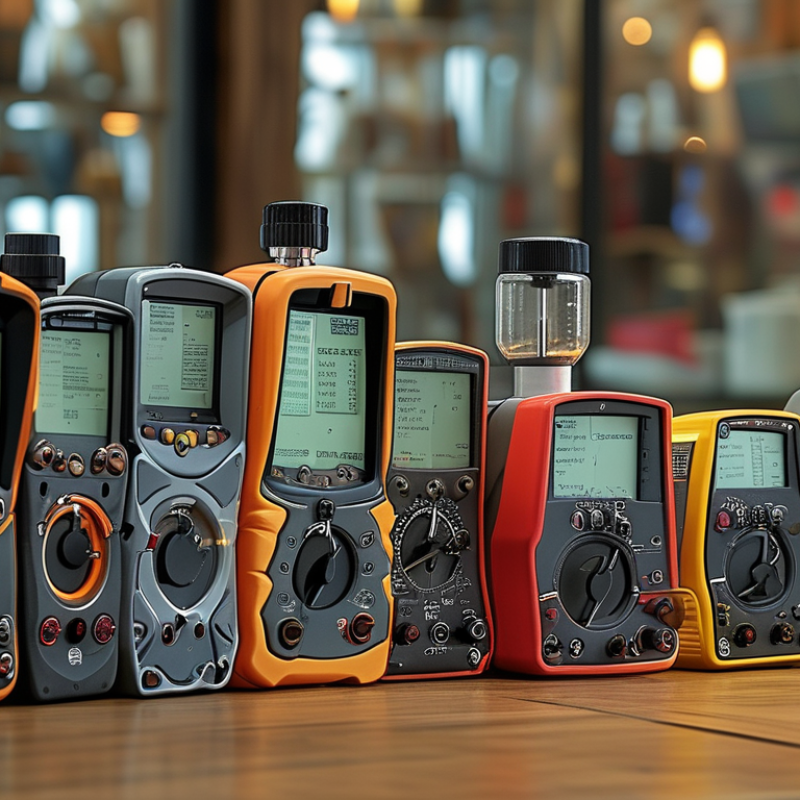
How to Choose the Best Electronic Vacuum Gauge for Your Needs?
Choosing the right Electronic Vacuum Gauge can significantly impact your work. Many professionals rely on these tools for precision measurements. The market offers various options, making selection challenging.
When seeking the best gauge, consider your specific needs. Some gauges are portable, while others provide higher accuracy. Experienced users often emphasize the importance of features like durability and ease of use. Relying solely on brand reputation may not always lead you to the best choice.
Reflect on the application of the gauge. An inappropriate selection could result in imprecise readings. Take the time to compare different models. Reading reviews can provide insights but remember that personal experiences vary widely. Prioritize what matters most for your projects, and choose wisely.
Factors to Consider When Selecting an Electronic Vacuum Gauge
Choosing the right electronic vacuum gauge can significantly influence your workflow. When selecting one, consider the measurement range. If your projects involve high vacuum applications, opt for a gauge that accurately measures low pressures. The precision and sensitivity of the device are crucial. Lower precision might lead to errors, affecting your results.
Another factor is the display type. A clear, easy-to-read screen saves time during operations. Look for models with backlighting or larger fonts for better visibility. Durability is also essential. If your work environment is harsh, ensure the gauge can withstand various conditions without compromising accuracy.
Battery life should not be overlooked. A short battery life can be frustrating, especially during long tasks. Evaluate user reviews for real-life insights about performance and reliability. Some users might suggest improvements, prompting reflections on device limitations. Balancing these factors will help you make an informed decision tailored to your specific needs.
Types of Electronic Vacuum Gauges and Their Applications
When selecting an electronic vacuum gauge, understanding different types can greatly aid your decision. Digital vacuum gauges are popular for their precision. They offer real-time measurements, making them ideal for applications requiring accuracy. They are often used in refrigeration and HVAC systems.
Another common type is analog vacuum gauges. While less precise, they provide a visual reading that some technicians prefer. These gauges work well in cleaner environments where less accuracy is acceptable. Consider your specific needs before making a choice.
Tips: Always assess the range of the gauge. It should match the vacuum levels of your application. Also, look for features like data logging, which can help in monitoring trends over time. Reliability is key; gauges can fail under extreme conditions.
Some may choose more complicated models without fully understanding their features. This can lead to frustration. Ensure you understand how to operate the gauge effectively. Reflections on your specific applications can prevent future issues.
Understanding Calibration and Accuracy Requirements
When choosing an electronic vacuum gauge, understanding calibration and accuracy is crucial. Calibration ensures that your gauge provides reliable measurements. Many gauges come pre-calibrated, but regular checks are necessary. Over time, environmental factors can affect accuracy. Extremes in temperature or humidity might lead to deviations in readings.
Different applications require varying levels of accuracy. For general use, a common range may suffice. However, for more sensitive tasks, precision becomes vital. Knowing the specific requirements of your project can help you select the right gauge. Some gauges have adjustable settings, allowing for tailored calibration. This feature can enhance usability, adapting to specific demands.
Consider the calibration method as well. Digital gauges often use built-in systems, while analog devices may require external standards. Understanding these differences can help you avoid pitfalls associated with improper calibration. It's also worth noting that even the most sophisticated gauge can lead to errors if not used correctly. Take time to learn about the instrument's features to maximize its potential. Familiarizing yourself with each component can prevent misunderstandings and inaccurate readings.
How to Choose the Best Electronic Vacuum Gauge for Your Needs?
| Feature | Description | Importance |
| Measurement Range | Describes the range of vacuum levels the gauge can measure, typically in microns or millibar. | High |
| Accuracy | Indicates how closely the gauge's reading corresponds to the actual vacuum level. | Critical |
| Calibration | The process of adjusting the gauge to ensure accurate measurements. Regular calibration is essential. | High |
| Ease of Use | User-friendly features like readability, interface, and weight. | Medium |
| Digital Display | A clear digital reading can help in quick and accurate assessments. | High |
| Battery Life | Duration the gauge can operate on a single charge or battery. | Medium |
Assessing Durability and Warranty Options
When selecting an electronic vacuum gauge, durability is paramount. A robust design ensures reliable performance over time. Look for materials resistant to wear and tear. Metal enclosures often provide better protection than plastic. This durability often reflects the manufacturer's commitment to quality.
Warranty options are equally critical. A generous warranty indicates confidence in product longevity. Check the length and terms of coverage. Ideally, a good warranty should last several years. This can provide reassurance against potential defects. Evaluate what is covered; repairs and replacements should be included.
It's essential to read user reviews. This can reveal experiences regarding the product's durability and support. Some users may encounter unexpected issues. Collect feedback to gauge reliability across different environments. By reflecting on these aspects, you create a clearer picture of your investment's value.
Budget Considerations for Electronic Vacuum Gauges
When selecting an electronic vacuum gauge, budget plays a critical role. Prices can vary significantly, ranging from $50 to over $500. Understanding your specific needs helps in making this investment worthwhile. According to recent industry analysis, about 40% of users report dissatisfaction due to overspending on features they never use. This highlights the importance of aligning your budget with practical requirements.
Consider the accuracy level you require. High-end models may offer precision within ±1% of full scale. However, for many applications, a gauge with slightly lower accuracy suffices and can cost significantly less. Balance is key; a unit that fits your budget while meeting your accuracy needs can save money in the long run.
Don't overlook additional costs. Calibration and maintenance may require substantial investment. According to industry data, up to 30% of the initial purchase price can be spent on these services over the gauge's lifespan. Monitoring these costs is essential for an informed decision. Often, this requires a critical evaluation of what features you genuinely need against the temptation of premium models that promise superior performance.