
How to Choose the Best Magnetic GPS Tracker?

Choosing the best magnetic GPS tracker requires more than comparing battery claims and app screenshots. Grand View Research valued the global GPS tracking device market at approximately USD 2.48 billion in 2023. Its report also forecasts strong growth through 2030, driven by connected vehicles, logistics, and asset monitoring. Those figures show demand, not guaranteed quality. A tracker can still fail beside a metal container, inside a wet vehicle, or under weak cellular coverage.

Berg Insight analyst Rickard Andersson captures the buying principle: “Reliable location data matters more than flashy features.” That idea should guide every comparison. Check positioning accuracy, update intervals, cellular coverage, battery capacity, magnetic strength, weather resistance, and alert reliability. A powerful magnet is useful only when the casing stays attached during vibration and rain. A long battery estimate may also depend on rare location updates. Read the conditions carefully.

Privacy deserves equal attention. Use a magnetic GPS tracker only for lawful, transparent purposes, with appropriate consent and clear data controls. Look for encrypted accounts, limited user permissions, deletion options, and a documented privacy policy. Independent reviews and technical testing are valuable, but no single rating tells the whole story. Real performance changes with terrain, temperature, network congestion, and installation position. That is easy to forget.

This guide compares practical specifications, not marketing language. It also recognizes an uncomfortable truth: the cheapest device may become the most expensive after repeated charging, false alerts, or missing data. A careful choice begins with the tracking task, then measures the device against it.
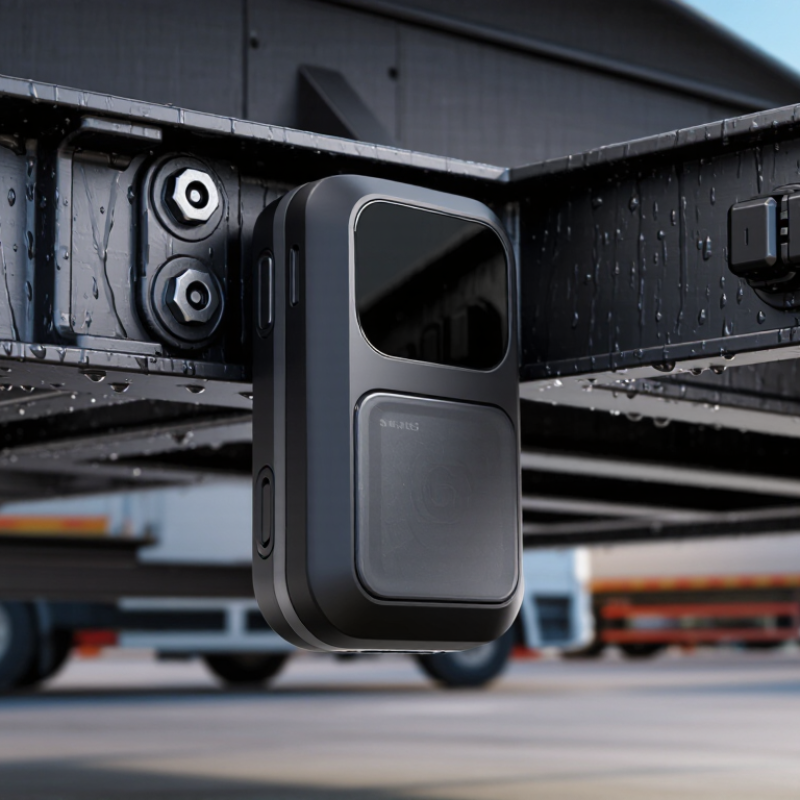
How to Choose the Best Magnetic GPS Tracker?

Understanding How Magnetic GPS Trackers Work

How to Choose the Best Magnetic GPS Tracker?

Understanding How Magnetic GPS Trackers Work

A magnetic GPS tracker combines satellite positioning, cellular communication, motion sensing, and battery power. GNSS satellites estimate the device’s location, while a cellular modem sends that position to an approved app or platform. The magnet only holds the unit in place. It does not improve accuracy.

IoT Analytics reported 16.6 billion active IoT connections worldwide in 2023. This growth shows why dependable connectivity matters when comparing tracking devices. Check whether the tracker supports multiple network bands and reliable coverage in your operating area.

Indoors, underground, or between tall buildings, positioning may drift. That caveat matters.

Battery life depends on reporting frequency, temperature, signal strength, and motion alerts. A unit sending data every minute will usually need more charging than one reporting every hour. Look for tamper alerts, geofencing, waterproof protection, and a clearly stated IP rating.

Berg Insight’s fleet-management research also highlights the importance of real-time visibility and dependable data delivery for connected assets. In practical testing, place the tracker beneath a metal surface and inspect location updates over several days. Do not trust a single reading.

No tracker is perfectly accurate. Use it only with clear authorization and for lawful asset management.

A strong magnet can still fail on dust, vibration, or curved surfaces. That small detail is easy to overlook.

Defining Your Tracking Needs and Essential Features

How to Choose the Best Magnetic GPS Tracker?

Defining Your Tracking Needs and Essential Features

Choosing a magnetic GPS tracker begins with a clear question: what exactly needs monitoring? A vehicle, trailer, equipment case, or valuable tool may require different settings. Consider tracking frequency, travel distance, mounting location, and expected battery life. A tracker used under a vehicle needs a strong magnetic base and weather-resistant housing. Test the mounting surface before regular use. Paint, dust, and vibration can reduce grip.

Location accuracy matters, but it is not the only measure of quality. Look for reliable cellular coverage, clear map updates, adjustable geofencing, and practical movement alerts. An easy-to-use mobile interface reduces mistakes during stressful situations. Battery information should be honest and specific. Frequent updates usually consume more power. Rechargeable models need accessible charging ports and clear low-battery warnings. Some devices may require ongoing service fees, so check the full operating cost.

Privacy and lawful use must shape the decision. Track only property or people when you have proper permission. Review data storage, account security, and deletion controls before activation. Independent reviews and technical specifications can reveal weaknesses that advertisements hide. I would not trust a tracker simply because its signal appears accurate once. Test it in parking garages, rural areas, and bad weather. Results can vary. Even a well-designed device may lose connection temporarily, so alerts should support judgment rather than replace it.

How to Choose the Best Magnetic GPS Tracker? - Defining Your Tracking Needs and Essential Features

General selection guidance for magnetic GPS trackers. Battery life varies according to reporting frequency, cellular coverage, temperature, and device configuration.
Tracking Need Recommended Tracker Profile Typical Reporting Interval Typical Battery Expectation Essential Features Magnetic Mounting Requirement Best-Suited Applications
Live or near-live vehicle monitoring Cellular GPS tracker with frequent location updates Every 10–60 seconds while moving Approximately 2–7 days, depending on battery capacity and update frequency Real-time tracking, movement alerts, geofencing, cellular connectivity, and a mobile or web dashboard Strong enclosed magnet with a protective casing; installation should be underneath a clean, flat metal surface Fleet supervision, high-value vehicles, temporary vehicle monitoring, and recovery support
Routine asset location checks Standard rechargeable magnetic GPS tracker Every 5–30 minutes during movement Approximately 1–4 weeks GPS positioning, route history, low-battery notifications, tamper alerts, and scheduled reports Corrosion-resistant magnetic base and a compact enclosure that remains concealed during normal use Construction equipment, trailers, service vehicles, and movable tools
Long-term monitoring with minimal maintenance Large-capacity battery tracker with configurable power-saving modes Several updates per day or on movement detection Approximately 1–6 months; longer intervals generally extend battery life Sleep mode, scheduled tracking, motion sensor, battery-status reporting, and configurable alerts High-strength magnet, weather-resistant housing, and an installation method that reduces vibration Seasonal equipment, stored trailers, remote machinery, and infrequently used vehicles
Outdoor and exposed-environment tracking Rugged cellular GPS tracker with sealed enclosure Every 1–15 minutes during movement Approximately 1–8 weeks, depending on environmental conditions Water and dust resistance, temperature tolerance, cellular fallback, GPS history, and impact or tamper alerts Sealed magnetic housing with an enclosure rated at least IP65; IP67 provides greater protection against temporary immersion Outdoor machinery, utility trailers, agricultural equipment, and rental assets
Discreet placement and theft deterrence Compact, low-profile tracker with silent alert options Every 1–10 minutes during movement Approximately 3–21 days Geofence breach alerts, unauthorized movement detection, tamper notification, location history, and concealed status indicators Strong magnet, compact dimensions, anti-rattle padding, and a housing that does not expose the device unnecessarily Personal vehicles, motorcycles, trailers, and movable high-value property
Fleet and operational management Multi-device cellular tracking system with reporting tools Every 30 seconds–5 minutes while moving Approximately 3–14 days for rechargeable units Multi-user access, route replay, geofences, idle-time reports, device health data, and exportable records Secure magnetic installation plus an optional secondary fastener for vehicles exposed to vibration or impact Delivery fleets, field-service vehicles, logistics assets, and shared equipment
Key selection checks: Confirm cellular coverage in the operating area, compare the required update frequency with expected battery life, verify the enclosure's IP rating, test magnetic holding strength on the intended surface, and review local privacy and consent requirements before tracking people or property.

Comparing Location Accuracy, Battery Life, and Connectivity

A magnetic GPS tracker should be judged by three measurements: accuracy, battery life, and connectivity. GPS.gov reports civilian GPS accuracy of about 4.9 meters under open skies. Buildings, metal surfaces, trees, and weather can reduce precision. In real use, a tracker may show a vehicle across the street. That difference matters near parking garages or busy loading areas. I learned that advertised accuracy is rarely the whole experience.

Battery claims need careful reading. Some devices last several weeks with occasional updates, but frequent location requests drain power quickly. Berg Insight’s tracking industry research shows that update frequency remains a major factor in device performance. A longer interval may preserve battery life, yet it creates wider movement gaps. That trade-off is easy to miss. Connectivity also affects accuracy. GSMA Intelligence reports continued growth in cellular IoT connections, but coverage still varies between cities, highways, and rural areas. A tracker with strong satellite reception can still report late when its mobile signal is weak.

Tips: Check the tested battery duration, not only the maximum claim. Review coverage along the tracker’s actual route. Choose adjustable update intervals. Test the magnetic mount on a clean, dry metal surface. Also, compare indoor performance before relying on the device. My first choice would not always be the tracker with the longest battery. A reliable signal is usually more useful than an impressive specification.

Evaluating Magnet Strength, Size, Durability, and Installation

How to Choose the Best Magnetic GPS Tracker?

A magnetic GPS tracker should hold firmly without becoming bulky or difficult to remove. Bigger is not stronger. Check the manufacturer’s pull-force rating, preferably in newtons, and consider shear force during braking, vibration, and rain. A magnet that grips bare steel may slide on painted, curved, or dusty surfaces. Clean the mounting area first, then test it by pushing sideways.

Size also affects concealment, battery capacity, and installation flexibility. A low-profile housing fits better beneath a vehicle frame, while a larger unit may provide longer operating time. IoT Analytics’ State of IoT Summer 2024 report counted 16.6 billion connected IoT devices in 2023 and forecast 18.8 billion in 2024. That growth makes dependable hardware more important, not merely more connected features. Keep the antenna facing open space, because thick metal can weaken satellite reception. Fit matters.

Durability deserves measurable evidence. Look for an IP67 rating, defined by IEC 60529 as dust-tight and protected against temporary immersion up to one meter. Also review operating-temperature and vibration-test data, since winter storage and rough roads can expose weak seals. Battery claims need caution. Laboratory figures often assume ideal intervals and moderate temperatures. My practical preference is to test the tracker for several days before relying on it. A loose magnet, blocked antenna, or poorly sealed case can defeat excellent software. No specification replaces a real vibration check.

Reviewing Privacy, Safety, Compatibility, and Overall Value

Choosing a magnetic GPS tracker requires more than checking location accuracy. Privacy should come first. Verizon’s 2024 Data Breach Investigations Report found that the human element appeared in 68% of breaches. A tracker should use strong account passwords, encrypted connections, and clear permission controls. Check whether location history can be deleted. Also inspect who can access shared tracking links. Small details matter.

Safety depends on design and daily use. A strong magnet should hold firmly under vibration, rain, and sudden braking. The casing should resist dust and water, preferably with a clear IP rating. NHTSA recorded 40,901 traffic deaths in the United States during 2023. A tracker cannot prevent reckless driving or replace emergency planning. It only provides useful information when installed correctly. I would test the alert delay in a quiet area before relying on it. Real-world signal loss can be frustrating.

Compatibility affects long-term value. Confirm support for local LTE, LTE-M, or NB-IoT networks, not only today’s coverage. Ask whether the service depends on older 2G or 3G networks, which are being retired in many regions. Battery life also deserves skepticism. Manufacturer estimates often assume ideal conditions. IBM’s 2024 Cost of a Data Breach Report placed the global average breach cost at 4.88 million dollars, so low price should never excuse weak security. A slightly higher subscription may be worthwhile if updates, support, and transparent data policies are included.

CAMaster Logo