How to Choose the Best Water Stainless Steel Tank for Your Needs?
Choosing the right Water Stainless Steel Tank is essential for various applications. These tanks offer durability, corrosion resistance, and a clean drinking water supply. However, selecting the ideal one requires careful consideration of several factors.
When evaluating a Water Stainless Steel Tank, focus on size, capacity, and specific features. Every household or business has unique requirements. If the tank is too small, you risk running out of water. If it's too large, you may waste valuable space and resources. Think about your daily water consumption and future needs.
Moreover, the quality of materials matters. Low-quality tanks may lead to leaks or contamination. A reliable tank must meet industry standards. Investigating brands and customer reviews can provide valuable insights. It is a process that needs attention. Sometimes, the best choice involves compromise and understanding trade-offs. This guide aims to navigate those complexities, helping you make an informed decision.
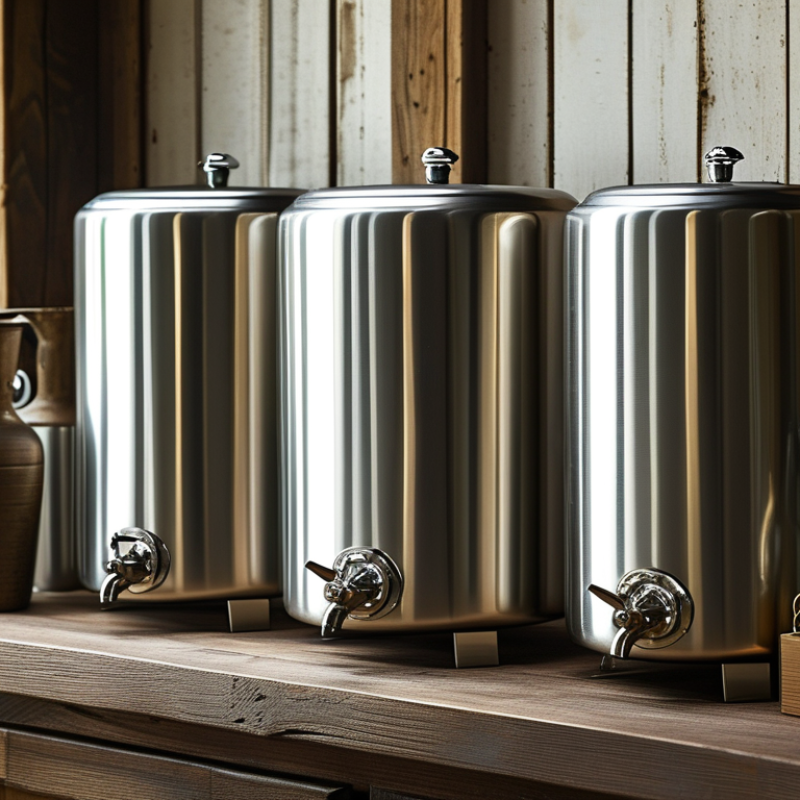
Understanding the Importance of Stainless Steel Water Tanks
When considering a stainless steel water tank, it’s crucial to understand why material choice matters. Stainless steel offers durability. It's resistant to rust and corrosion. This longevity appeals to many users. It can last decades, making it a cost-effective option.
Their hygienic nature is another advantage. Stainless steel prevents bacterial growth. This ensures cleaner water storage. Many industries rely on this feature for safe water supply. Moreover, these tanks are lightweight yet strong. Transportation and installation become easier.
However, not all stainless steel tanks are created equal. Some may not meet safety standards. Evaluating tank certifications can help. Additionally, reflective surfaces can impact water temperature. It’s worth considering how the tank will be used. Not all situations will favor a stainless steel option. Users must reflect on their specific needs thoroughly.
How to Choose the Best Water Stainless Steel Tank for Your Needs? - Understanding the Importance of Stainless Steel Water Tanks
| Feature | Description | Importance |
| Material Quality | High-grade stainless steel (e.g., 304 or 316). | Durability and resistance to corrosion. |
| Capacity | Available in various sizes, ranging from small to large tanks. | Meets specific water storage needs. |
| Insulation | Some tanks have insulation options for temperature control. | Maintains desired water temperature. |
| Installation | Consider the installation method; some are easier than others. | Affects overall convenience and cost. |
| Maintenance | Evaluate maintenance requirements, such as cleaning and inspections. | Critical for longevity and safety of water supply. |
| Cost | Price varies based on size and features. | Budget constraints and overall investment value. |
| Warranty | Check for warranty options on the tank. | Provides peace of mind about quality and durability. |
Identifying Your Water Storage Requirements and Capacity Needs
When selecting a stainless steel water tank, start by understanding your specific water storage needs. Consider the volume of water you need daily. Evaluate your household size or agricultural requirements. Will you store water for drinking, irrigation, or industrial use?
Think about capacity. A tank too small won’t serve you well. Conversely, an oversized tank can waste resources and space. It’s essential to assess your space limits and future water needs.
**Tips:** Measure the area where you plan to install the tank. Ensure there is proper drainage and support. Consider environmental factors—temperature and weather conditions can affect tank performance.
Handling water storage isn’t trivial. Reflect on maintenance needs. Sometimes, even a small tank requires frequent cleaning or replacement parts. Regular checks ensure clean, safe water. Make a list of potential challenges before buying a tank. This proactive approach helps you stay prepared.
Water Storage Capacity Needs Comparison
Evaluating Different Stainless Steel Grades and Their Benefits
When selecting a stainless steel water tank, the grade of the stainless steel plays a crucial role. Different grades offer distinct benefits that impact durability and performance. Common grades include 304 and 316 stainless steel. Grade 304 is known for its excellent corrosion resistance. It’s often used for general water storage. However, it may not withstand harsh environments.
On the other hand, grade 316 stainless steel is more resistant to corrosion and is suited for marine and chemical applications. This grade contains molybdenum, which helps it resist chlorides. If your water source contains salts or chemicals, this may be the better option. It’s vital to evaluate your specific needs before deciding. Consider the environment and how the tank will be used.
Reflecting on your situation, think about your water quality. Are there any potential contaminants? Ensure your chosen grade can handle these factors. Selecting the best tank is not merely about the grade. It’s about understanding your unique requirements and making an informed decision.
Comparing Styles and Designs of Stainless Steel Tanks
When selecting a stainless steel water tank, design and style play crucial roles. A well-designed tank can enhance both functionality and aesthetics in any setting. There are various shapes, sizes, and finishes available. For instance, tanks with a glossy finish can provide a modern look. Conversely, brushed stainless steel tanks offer a more industrial feel. According to industry reports, 70% of consumers prioritize visual appeal alongside functionality when choosing water tanks.
The tank's design should address specific needs. Consider whether you require a vertical or horizontal tank. Vertical tanks save space while offering a larger volume. Horizontal tanks can be easier to install in certain settings. Additionally, the presence of insulation can impact efficiency. A study indicated that insulated tanks can reduce energy costs by 15% to 20%. Thus, choosing an appropriate style is essential for ensuring efficiency and longevity.
While many options exist, one must remain critical. Not all designs are universally adaptable. Some tanks may not fit specific environmental conditions. It's important to assess your unique requirements carefully. Understanding your space and usage will ultimately guide you to the right choice. Investing time in the decision can lead to better performance and satisfaction.
Assessing Installation and Maintenance Considerations for Longevity
When choosing a stainless steel water tank, installation and maintenance are critical for longevity. Select a location that allows easy access. This ensures you can perform routine checks and maintenance without difficulty. A well-ventilated area will help prevent corrosion and keep the tank in prime condition. Pay attention to the foundation; it must be stable to support the tank's weight.
Regular maintenance is essential. Check for leaks or rust signs every few months. Clean the tank interior at least once a year. Ensure that the valves and fittings are functioning properly. Neglecting small issues can lead to significant problems over time. Record your maintenance history for better tracking and accountability.
Be aware of the water quality. Hard water can impact the tank’s lifespan. You might need additional filtration systems. Consider seasonal changes and their effects on your tank’s efficiency. Minor adjustments can lead to considerable improvements in performance. Reflect on these aspects regularly; they play a vital role in maximizing the life of your stainless steel tank.