How to Choose the Best Switch Panel for Your Needs?
Choosing the right Switch Panel can significantly impact your project's success. According to a recent report by Grand View Research, the global switch panel market is expected to reach $5.4 billion by 2028, with a growing emphasis on smart technology. As more consumers turn to automation, selecting the best switch panel to meet specific needs becomes crucial.
When evaluating options, you must consider various factors, such as compatibility with existing systems and user-friendliness. Research indicates that up to 70% of electrical issues stem from improper installations. This highlights the importance of choosing a quality switch panel that enhances safety and functionality. Not all available products guarantee performance; thus, careful assessment is vital.
A quality switch panel should offer flexibility and durability as key features. User reviews often highlight the importance of ease of installation and operational efficiency. However, many users report frustration due to unclear instructions or lack of support. By addressing these common pitfalls, you can make a more informed decision that aligns with your requirements and enhances your overall experience.
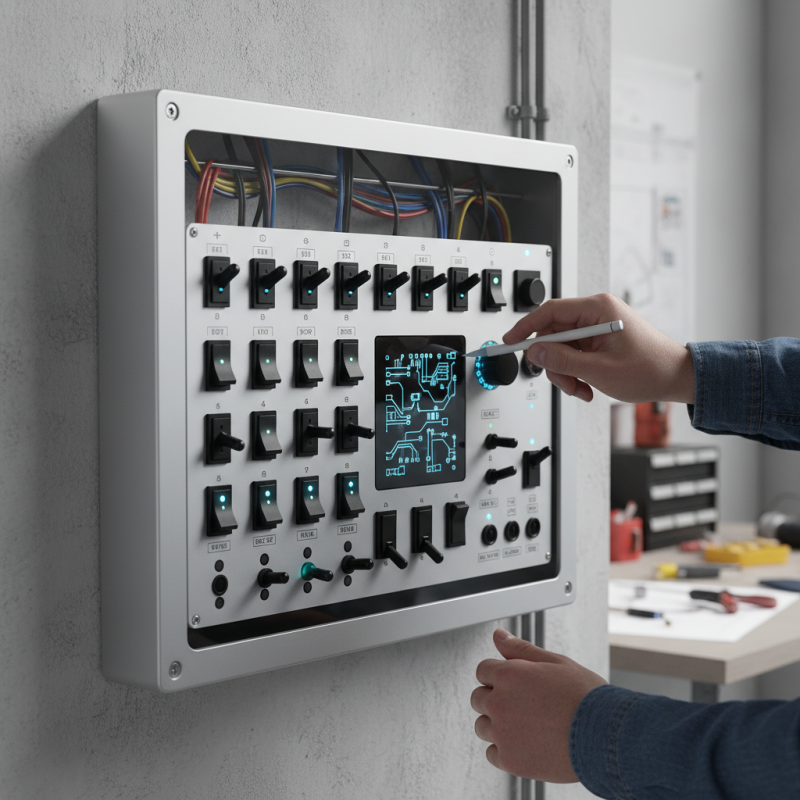
Understanding the Different Types of Switch Panels Available in the Market
When choosing a switch panel, it's essential to understand the various types available. Each type serves different functions and suits different environments. For instance, a basic toggle switch panel might be ideal for simple applications. In contrast, a more complex push-button or touch panel could offer advanced features and aesthetic appeal.
Some switch panels are designed for specific tasks. Remote-controlled panels provide convenience for hard-to-reach areas. Waterproof panels are crucial for outdoor usage or regions prone to moisture. There are also customized panels that allow users to configure settings based on personal preferences.
While you may have specific needs in mind, assessing your workspace and equipment is vital. Some individuals may overlook the importance of compatibility. It’s not just about aesthetics or features; functionality plays a significant role. Think about the simplicity of operation versus complexity. Sometimes, the most apparent choice may not be the best fit. Reflecting on your requirements will lead to a more effective choice.
Key Features to Look for When Selecting a Switch Panel for Your Setup
When selecting a switch panel for your setup, key features play a crucial role. Consider the panel's construction material. Durable materials like aluminum or rugged plastic provide longevity in various environments. If you plan to use the panel in a vehicle, weather resistance is essential. Look for panels that can withstand moisture and heat.
Next, check the number of switches available. A panel with multiple switches allows for greater control over various components. If you're managing lighting, fans, or other electrical devices, having enough switches prevents clutter. Pay attention to the layout as well. A well-organized design enhances usability and reduces confusion when operating multiple switches.
Also, assess the panel's installation process. Some panels require complex setups while others allow for quick installation. Consider your technical skills; a complicated assembly may lead to frustration. Look for panels with clear guides. Whether you're a novice or an expert, having straightforward instructions is vital to ensure effective use. Take your time to reflect on these points before making a choice.
Key Features to Look for When Selecting a Switch Panel for Your Setup
This bar chart displays the importance rating for various key features to consider when choosing a switch panel. Ratings range from 1 (least important) to 10 (most important), helping you prioritize aspects such as material quality, port availability, and ease of installation in your decision-making process.
Evaluating Compatibility: Ensuring Your Switch Panel Works with Other Equipment
Choosing the right switch panel involves more than aesthetics. Compatibility is crucial to ensure seamless operation with other equipment. According to industry reports, nearly 30% of users encounter issues due to compatibility gaps. This underlines the importance of vetting specifications thoroughly.
When evaluating compatibility, check the voltage and amperage. Most switch panels support a range from 12 to 48 volts. Ensure that your equipment aligns within this range. Additionally, consider communication protocols. Some devices require specific protocols for optimal communication, impacting performance.
Tip: Always consult product manuals before purchasing. This simple step can prevent future headaches. Verify if the panel supports your current systems, focusing on both electrical and data compatibility. Remember, a mismatch can lead to operational failures or even equipment damage.
A critical aspect is the physical fit within your installation space. A switch panel that is incompatible in size or design may cause additional challenges. Measure dimensions accurately to avoid later modifications. Many users overlook this step and regret it when installation day arrives.
Assessing Durability and Safety Standards in Switch Panel Manufacturing
When selecting a switch panel, evaluating its durability and safety standards is crucial. Materials used in manufacturing significantly impact longevity. Quality panels are made from robust materials, such as reinforced plastics or metals. A durable panel can withstand environmental factors such as moisture and temperature changes. It is essential to check for certifications that meet industry safety standards.
Safety features are equally important. Panels should have proper insulation to prevent electrical hazards. Look for options with built-in surge protection. This adds an extra layer of security against malfunctions. Assess the design and ease of access to switches. Even the best panels have flaws that may require refinements in safety design.
Testing the panel regularly helps in ensuring ongoing safety. It is advisable to involve professionals when unsure about technical specifications. Understanding your environment can also guide your choices. Specific settings may demand stricter durability and safety measures. While perfect solutions are rare, being informed allows you to make a reliable choice for your needs.
Cost-Effectiveness: Budgeting for Your Switch Panel Without Sacrificing Quality
When budgeting for a switch panel, quality should never be an afterthought. It’s often tempting to opt for the cheapest option available, but this can lead to future headaches. Low-cost panels may lack durability and vital features. They might malfunction sooner than expected, costing you more in the long run. Quality components ensure reliability and longevity. This is critical, especially in high-stakes environments like workshops or automotive applications.
To choose wisely, consider your needs first. Evaluate the features that matter most. A simple, efficient design can be more effective than an overly complex one. Determine how many switches you require and what functions they will control. Researching various materials and user reviews can lead to better insights. Sometimes, going for mid-range options can offer a balance between cost and performance.
Look for warranties or return policies that reflect confidence in product quality. A manufacturer’s reputation can be a good indicator of durability and support. If the panel doesn’t meet expectations, it should be easy to exchange or return. In this way, you can ensure your investment aligns with both your budget and quality needs.