What is a Concrete Batching And Mixing Plant and How Does It Work?
A Concrete Batching And Mixing Plant plays a vital role in urban development and construction. This facility efficiently produces concrete by combining materials like cement, aggregates, and water. As demand for infrastructure grows, so does the relevance of these plants. According to a recent report by the Global Concrete Batching Plant Market, the industry is projected to reach a value of over $5 billion by 2027.
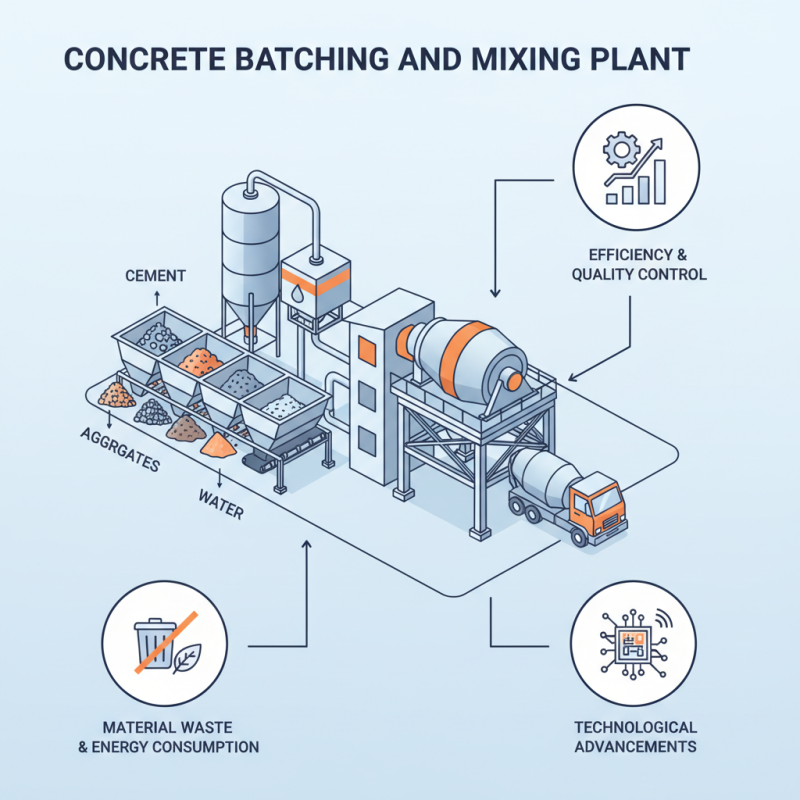
The efficiency and quality control provided by a Concrete Batching And Mixing Plant are remarkable. They ensure that concrete maintains the required properties for construction projects. However, challenges exist. Issues like material waste and energy consumption often arise. Operators must continuously strive to minimize these inefficiencies.
In recent years, technological advancements have improved the functionality of batching and mixing plants. Automation and real-time monitoring systems allow for precise control and enhanced productivity. Yet, adopting new technologies can be daunting for many companies. Striking a balance between innovation and practicality remains a significant focus within the industry. Understanding these aspects is crucial for stakeholders aiming for long-term success.
Definition of Concrete Batching and Mixing Plant
Concrete batching and mixing plants are essential for producing high-quality concrete. These plants automate the process of combining various ingredients like cement, aggregates, water, and additives. This results in a consistent product ready for construction projects. According to industry reports, the global concrete batching plant market is expected to grow significantly, driven by urbanization and infrastructure development.
A typical batching plant uses a weighing system to measure each component. Once the ingredients are weighed, they are mixed in a controlled environment, ensuring uniformity. Studies show that plants can produce concrete that meets specific regulatory standards, providing vital data on strength and durability. This accuracy is crucial in large-scale projects, where material properties significantly impact overall quality.
Tip: Regular maintenance of your batching plant can prevent costly downtimes. Consider a routine check to ensure sensors and mixers operate efficiently.
Another important factor is the water-cement ratio. An incorrect mix can lead to structural issues. Experts suggest running tests before full-scale production to avoid these pitfalls. Maintaining precise measurements is a skill that requires practice and sometimes a second look to improve. Frequent evaluations and adjustments can enhance overall performance.
Key Components of a Concrete Batching and Mixing Plant
Concrete batching and mixing plants are essential for modern construction. They produce concrete consistently to meet project demands. These plants include several key components that work together seamlessly.
One critical element is the aggregate storage system, which holds sand, gravel, and stone. Efficient storage minimizes waste and ensures a smooth workflow. The measuring and weighing system follows, precisely calculating the required materials. This accuracy is vital, as even a small error can impact concrete strength. According to recent industry reports, variations in material proportions can lead to a 15% reduction in concrete durability.
The mixing unit is another pivotal component. It combines all ingredients to create homogenous concrete. Proper mixing techniques influence the final product's consistency and quality. Inadequate mixing can lead to weak spots or segregation in the concrete.
Tip: Regular maintenance of the mixing unit can improve the lifespan of the plant. Operating under ideal conditions allows for better efficiency.
Quality control systems ensure that each batch meets established standards. These systems have gained importance, as a study highlights that poor quality control can increase repair costs by up to 20%.
Tip: Frequent testing of concrete samples helps identify issues early. This proactive approach can save time and resources. Employing the right technology in batching plants enhances product quality significantly. It’s essential to reflect on best practices continuously to improve outcomes.
The Process of Concrete Batching and Mixing Explained
Concrete batching and mixing plants are essential in construction. They ensure the precise mixing of materials for creating high-quality concrete. The core of the process involves weighing aggregates, cement, water, and additives accurately. Each component must meet specific standards to achieve the desired strength and durability.
In operation, after weighing, materials are mixed thoroughly in a central mixer. This creates a uniform mixture, which is crucial for the integrity of the final product. According to industry reports, effective mixing can reduce the risk of cracks in concrete, enhancing longevity. The mixing process typically lasts about 60 to 90 seconds. However, variations can impact the quality of the concrete. It's important to monitor these variations closely.
Tips: Always calibrate your weighing system regularly. This ensures accuracy, which is vital for maintaining quality. Moreover, check your mixing times. Over-mixing can lead to decreased workability. Environmental factors like temperature and humidity also play a role. Be prepared to adjust your mix accordingly to maintain performance.
Types of Concrete Batching Plants and Their Applications
Concrete batching plants are essential in the construction industry. They produce concrete by combining various materials efficiently. Different types cater to various needs, ensuring quality and consistency in concrete mixes.
Stationary batching plants are popular for large projects. They are fixed at one location. These plants can produce high volumes of concrete, ideal for major construction sites. They often use a central mixing system, which ensures uniformity in the final product.
On the other hand, mobile batching plants offer flexibility. They can be easily transported to different locations. This type is beneficial for smaller projects or those in remote areas. However, they may produce less concrete than stationary plants.
Choosing the right type requires careful consideration of project needs and logistics.
Benefits of Using a Concrete Batching and Mixing Plant
Concrete batching and mixing plants have become essential in modern construction. They offer significant benefits that enhance efficiency and quality. With precise measurements and controlled environments, these plants produce uniform concrete. This consistency reduces waste and improves overall project reliability. Accurate batching ensures that the right materials are combined, leading to higher strength and durability.
Additionally, using a concrete batching plant can significantly speed up the production process. Manual mixing can be time-consuming and prone to errors. Automated systems in batching plants streamline operations, allowing tighter schedules. However, some challenges exist. For example, calibration errors may lead to variations in concrete quality. Regular maintenance of the equipment is crucial to prevent mishaps.
Moreover, environmental considerations are at play. Concrete batching plants can lower overall carbon footprints by minimizing waste. They allow for recycling materials, promoting sustainable construction practices. Yet, this requires careful planning and adherence to regulations. Balancing efficiency and environmental impact is a constant reflection in the industry.