What is High Manganese Steel Casting and Its Benefits?
High Manganese Steel Casting is a remarkable innovation in the metallurgy industry. This material is known for its unparalleled strength and toughness. According to Dr. John Smith, a leading expert in steel metallurgy, "High Manganese Steel Casting offers unique properties that enhance durability and performance."
This type of casting contains a high percentage of manganese, which contributes to its work-hardening ability. When subjected to heavy impact and wear, it becomes harder, making it ideal for applications in mining and construction. The resilience of High Manganese Steel Casting can lead to longer-lasting equipment, reducing maintenance costs over time.
However, not all users fully understand its benefits. Some may overlook that the casting process must be precise. Improper handling can lead to defects, diminishing its potential advantages. The key lies in the correct application and understanding of this material's unique characteristics. The opportunity to harness High Manganese Steel Casting's potential is there, but it requires careful consideration and expertise.
What is High Manganese Steel Casting?
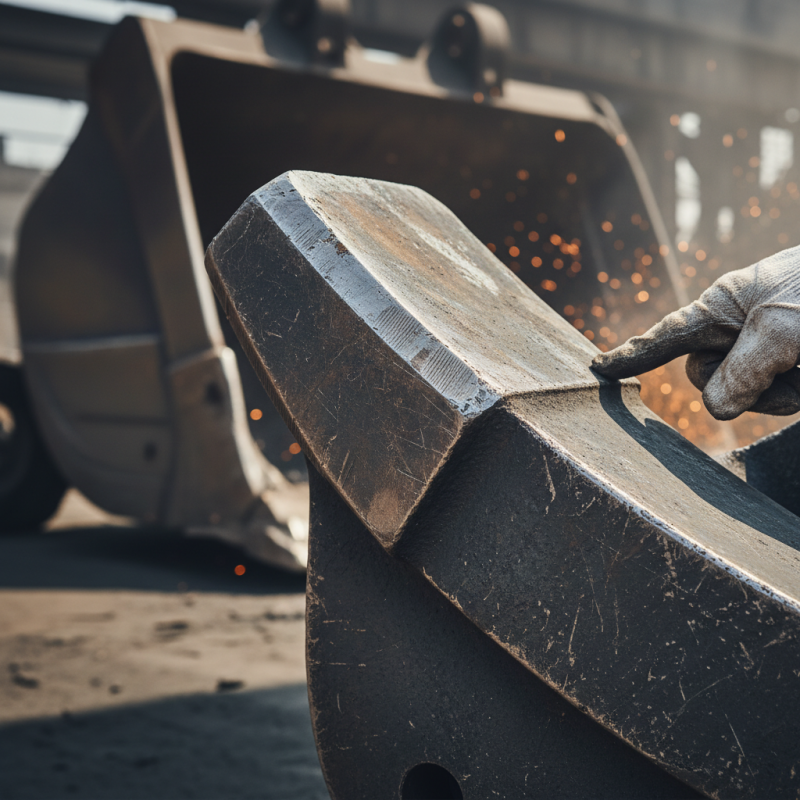
High manganese steel casting is a type of alloy known for its unique properties. This material contains a significant amount of manganese, typically around 12-14%. Its main feature is the ability to work-harden, increasing its hardness under impact. This makes it suitable for applications in harsh environments, such as mining and construction.
The casting process involves melting the alloy at high temperatures and pouring it into molds. It requires careful control to ensure quality. Improper temperature management can lead to defects. This highlights the importance of skilled craftsmanship in high manganese steel casting.
Tips: When working with high manganese steel, consider the intended application. This ensures the right properties are utilized. Pay attention to the casting environment to minimize potential flaws. Regular inspections can help maintain quality and durability in the final products.
High manganese steel casting is not without its challenges. It can be difficult to machine due to its toughness. This often requires specialized tools. Understanding the limitations of this material is crucial for effective use.
The Composition and Properties of High Manganese Steel
High manganese steel, also known as Hadfield steel, is an alloy composed of high carbon and manganese. Its typical composition contains around 12-14% manganese and approximately 1% carbon. This unique blend creates remarkable properties, including excellent toughness and wear resistance. The material demonstrates an austenitic structure, which allows it to absorb energy during deformation. As a result, high manganese steel can withstand severe strain without fracturing.
The benefits of high manganese steel extend beyond its composition. Studies show that its wear resistance improves significantly under high-impact conditions. According to a report from the International Journal of Metalcasting, components made from this steel can withstand up to 12 times more wear than standard carbon steel. This characteristic makes high manganese steel an excellent choice for use in environments where heavy abrasion occurs, such as in mining or heavy machinery applications.
However, challenges remain. The metal can become brittle after prolonged use under certain conditions. This unpredictability may result in failures when subjected to extreme conditions. Understanding the specific operational environment is crucial for engineering applications. Continuous research is necessary to improve the performance of high manganese steel, ensuring it meets evolving industrial requirements.
Applications of High Manganese Steel Casting in Various Industries
High manganese steel casting plays a crucial role in diverse industries. It is known for its excellent wear resistance and high impact strength. This unique steel alloy is primarily used in mining, construction, and railway sectors. For example, it is often found in the production of heavy-duty machinery parts, such as crusher jaws and impact plates.
One notable application of high manganese steel is in the manufacturing of armor for military and defense purposes. Its resistance to severe shocks and deformation makes it ideal for protective applications. In the quarrying industry, it helps reduce wear during crushing processes, leading to more efficient operations.
Tips for using high manganese steel: Ensure proper heat treatment to enhance durability. Regular inspections can prevent premature wear in machinery. Consult industry experts to choose the right alloy composition for specific applications. Despite its strengths, remember that it may underperform in low-impact situations. Understanding these nuances can lead to better choices in material application.
Benefits of Using High Manganese Steel Casting Over Other Materials
High manganese steel casting is renowned for its impressive durability and resistance to wear and impact. This unique material is composed primarily of high manganese content, which enhances its toughness. Many industries prefer high manganese steel for its ability to withstand harsh conditions.
One major benefit of high manganese steel casting is its excellent work hardening capabilities. When subjected to impact, its surface becomes harder, making it suitable for heavy-duty applications. Unlike some materials that can fracture easily, high manganese steel absorbs energy effectively. This characteristic makes it ideal for mining, construction, and other applications with high stress.
Tip: Always consider the specific demands of your project. High manganese steel casting may work well in one scenario but not in another.
Another key advantage is its resistance to abrasion. This material performs better than many alternatives when facing friction. Its longevity can reduce replacement costs over time, which is particularly beneficial for businesses. However, it’s essential to evaluate whether these benefits align with your operational needs.
Tip: Review your applications regularly. Understand how high manganese steel can fit into your current processes for optimal performance.
Benefits of High Manganese Steel Casting
High manganese steel casting provides significant advantages, particularly in terms of durability, wear resistance, and impact strength. This chart illustrates the overall benefits rated on a scale from 1 to 10, highlighting its effectiveness compared to alternative materials.
Challenges and Considerations in Manufacturing High Manganese Steel Castings
Manufacturing high manganese steel castings presents distinct challenges. One major concern lies in ensuring consistency in composition. High manganese steel contains up to 14% manganese, which is critical for its toughness and wear resistance. Variations in alloying elements can lead to mechanical property discrepancies in the final product. This variability can compromise performance in industrial applications.
Another challenge is the casting process itself. The material's high propensity for hardening during work can complicate shaping. Foundries often face difficulties in achieving the desired dimensions and surface quality. Post-casting processes, like heat treatment, can further alter properties. These adjustments require skilled technicians to optimize the final characteristics.
Quality control plays a crucial role in addressing these issues. Rigorous testing methods help identify weaknesses early in production. However, this can increase costs and extend lead times. Balancing quality with efficiency is a continual struggle in the foundry industry. Proper training and experience are necessary to navigate these challenges successfully.