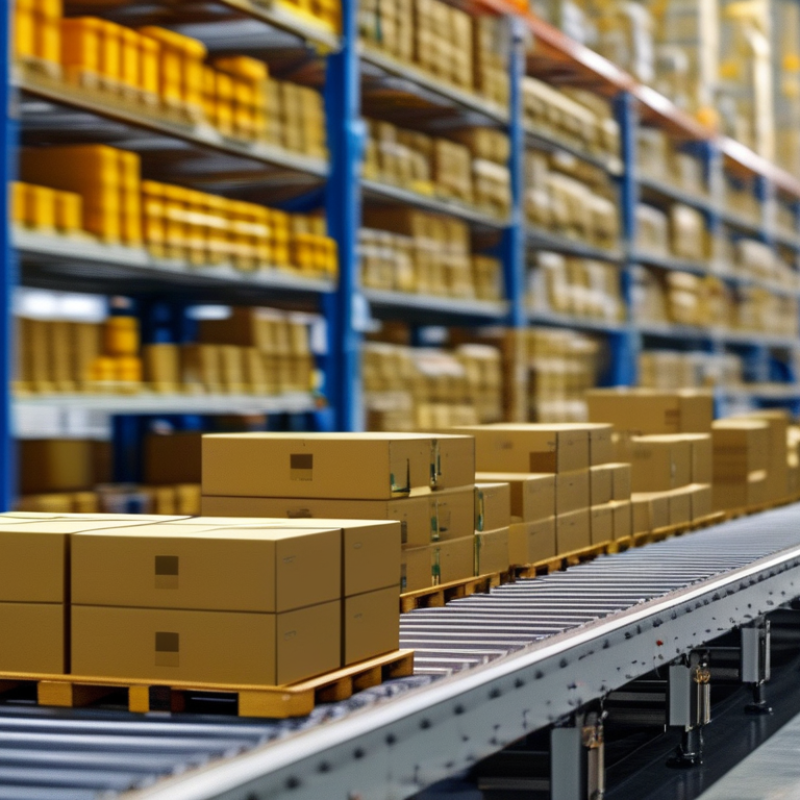
Why Choose High Speed Conveyor Belt for Your Supply Chain Needs?
In today’s fast-paced supply chain landscape, efficiency is key. The High Speed Conveyor Belt has emerged as a game-changer. This technology significantly enhances operational performance and speeds up product movement. Businesses that invest in this system often see a boost in productivity.
However, it's not solely about speed. A High Speed Conveyor Belt also improves accuracy in transports. Goods are less likely to be damaged. This reliability is crucial for maintaining a smooth workflow. Yet, some users may overlook maintenance needs, risking the system’s efficiency.
Understanding the balance between speed and care is important. The High Speed Conveyor Belt is not just a tool; it is an investment. Companies must analyze their needs before choosing this technology. It can lead to great benefits, but careful consideration is essential.
Benefits of High Speed Conveyor Belts in Modern Supply Chains
High-speed conveyor belts revolutionize modern supply chains. They significantly reduce the time goods spend moving from one point to another. According to data from the Material Handling Industry of America, high-speed systems can increase throughput by up to 50%. This efficiency makes them attractive to industries like distribution and manufacturing.
Employing these belts can minimize labor costs. Automation reduces the need for manual handling, which is error-prone and time-consuming. Research shows that companies can save up to 30% on labor expenses by integrating high-speed conveyor systems. This results not only in cost savings but also in improved safety and reduced injury rates.
However, there are considerations. The initial investment can be substantial, and maintaining high-speed systems requires skilled technicians. Many businesses overlook the importance of regular maintenance, which can lead to costly downtimes. Understanding both the benefits and challenges of high-speed conveyors is crucial for making an informed decision.
Key Features of High Speed Conveyor Belts for Efficient Operations
High-speed conveyor belts are essential for enhancing supply chain efficiency. Their design allows for increased throughput, which is vital in today’s fast-paced market. A well-constructed belt can transport materials quickly and smoothly, minimizing downtime. Many facilities benefit from these belts, but implementation requires careful consideration of specific needs.
A key feature of high-speed conveyor belts is their durability. Made from advanced materials, they resist wear and tear. This durability leads to lower maintenance costs and longer service life. Additionally, these belts often include noise-reduction technology, creating a safer work environment. However, it’s crucial to evaluate the specific loads and conditions each belt will face.
Speed alone doesn’t guarantee efficiency. Poor integration with existing systems can lead to bottlenecks. It’s essential to assess the entire workflow before making changes. Sometimes, even with high-speed options, the overall process may not improve without training for staff. Therefore, balancing speed and operator familiarity is vital for optimal operation.
Comparative Analysis: High Speed vs. Traditional Conveyor Systems
High-speed conveyor systems offer significant advantages over traditional models, especially in terms of efficiency. According to a report by the International Society of Automation, high-speed conveyors can increase productivity by up to 30%. This translates into faster processing of goods, allowing businesses to respond quickly to market demands. Traditional conveyor systems, while reliable, typically operate at slower speeds. This can bottleneck operations and lead to delays in supply chain logistics, impacting overall efficiency.
One important consideration is maintenance. High-speed systems often require more sophisticated care. A study noted that improper maintenance can reduce a high-speed conveyor's lifespan by 25%. Companies need to invest in regular checks and training for staff. This ensures the conveyor operates at peak performance without frequent breakdowns.
When choosing between systems, evaluate your specific needs. High-speed conveyors may have higher initial costs but offer long-term savings. Some businesses have reported a return on investment within two years due to decreased labor costs and increased throughput. Assessing how quickly your supply chain needs to respond can be critical. The choice might hinge on your operational goals and budget constraints.
Applications of High Speed Conveyor Belts in Various Industries
High-speed conveyor belts are revolutionizing logistics across multiple sectors. In the food industry, for example, these belts allow for quick transport of bulk items, ensuring freshness and minimizing waste. Reports from the Food and Beverage Industry Association highlight that implementing faster conveyor systems can reduce product delivery times by up to 30%.
Manufacturing also benefits significantly. Speedy conveyors enhance production lines, allowing for the swift transfer of components. The International Manufacturing Report remarked that companies adopting high-speed solutions saw a productivity increase of around 25%. However, integrating new technology poses challenges. Workers may require extensive training to handle advanced systems efficiently.
In the mining sector, high-speed conveyor belts facilitate the rapid movement of materials over long distances. This is critical in reducing operational costs and increasing efficiency. According to a study by the Mining Technology Journal, companies experienced a 40% decrease in transportation costs when shifting to high-speed options. Yet, there remains a notable concern regarding maintenance. Operators must routinely assess wear and tear to ensure ongoing reliability of these systems.
Why Choose High Speed Conveyor Belt for Your Supply Chain Needs? - Applications of High Speed Conveyor Belts in Various Industries
| Industry | Application | Advantages of High Speed Conveyor Belts | Typical Speed Range (m/s) |
| Food Processing | Packaging and Sorting | Increased throughput, hygiene standards | 2.5 - 5.0 |
| Automotive | Assembly Line Automation | Improved efficiency, reduction in labor costs | 2.0 - 6.0 |
| Logistics | Package Handling | Fast and reliable transport, flexibility | 3.0 - 7.0 |
| Pharmaceutical | Sorting and Distribution | Precision handling, compliance with regulations | 2.0 - 5.0 |
| Mining | Material Transportation | High durability, efficient material flow | 1.5 - 4.0 |
Cost-Effectiveness of Implementing High Speed Conveyor Solutions
High-speed conveyor belts can significantly enhance supply chain efficiency. According to a report by the Material Handling Industry (MHI), companies can experience up to a 20% increase in productivity by adopting these systems. This improvement not only speeds up operations but also reduces labor costs. With a faster turnover of products, companies can respond more quickly to market demands.
In addition to boosting efficiency, high-speed conveyor solutions offer substantial cost savings. A study by the Association for Manufacturing Technology indicates that automated systems can lower overall operational costs by 30% or more. As businesses scale, these cost reductions become even more critical. Investing in high-speed conveyors may require upfront capital, but the long-term savings often justify this expense.
While the advantages are clear, some businesses face challenges in implementation. Adapting existing infrastructure can be complex, and employee training is essential. It is vital for companies to evaluate their specific needs before transitioning. A well-planned implementation can lead to a seamless integration of high-speed conveyors, ultimately benefiting the bottom line.