How to Buy a Zoomlion ZE18GU Digger?
Buying a compact excavator requires more than comparing prices on a dealer’s website. The Zoomlion Ze18gu Digger may suit landscaping, utility work, farm maintenance, and restricted urban sites. Its compact footprint can simplify access through narrow gates. Yet suitability depends on your soil, workload, transport limits, and operator experience.
A careful buyer should request the machine’s serial number, service records, operating hours, and current inspection details. Ask an authorized dealer about engine condition, hydraulic performance, track wear, and attachment compatibility. Examine the boom, arm, bucket pins, hoses, and undercarriage for leaks or unusual movement. Start the excavator cold if possible. Listen for smoke, hard starting, or uneven hydraulic response. Small warnings can become expensive repairs.
Confirm the seller’s warranty terms, parts availability, operator support, and delivery responsibilities before payment. Compare the purchase price with transport, insurance, scheduled maintenance, and likely attachment costs. Local regulations may also affect registration, safety training, and job-site use. Independent inspection adds valuable confidence, especially for a used machine. No checklist is perfect. I would still record photographs, test results, and unanswered questions before signing. Reliable sellers should welcome that process. This guide explains how to compare offers, verify condition, and choose a Zoomlion Ze18gu Digger based on evidence rather than attractive advertising alone.
Understanding the Zoomlion ZE18GU Digger’s Main Features
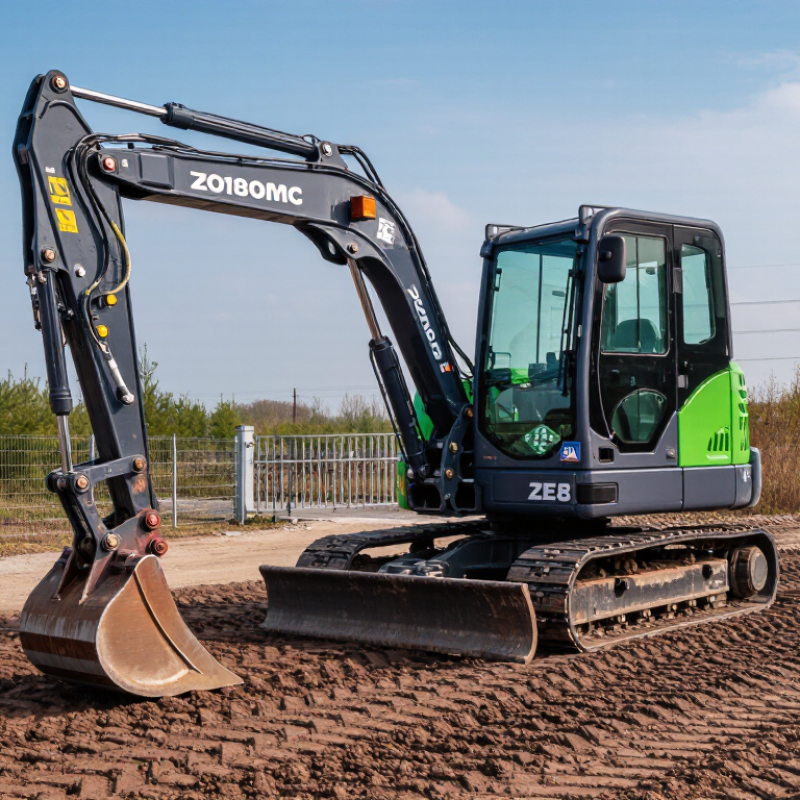
When buying this compact 1.8-ton excavator, study its working features before discussing price. Its small footprint helps operators work beside walls, garden paths, and narrow urban sites. A zero-tail-swing design can reduce rear-end contact risks, but it still needs careful positioning. Check the digging depth, reach, bucket breakout force, and lifting chart for your actual jobs. These figures reveal whether the machine suits drainage, landscaping, utility repair, or light foundation work.
Tips: Sit in the operator’s seat. Test the pilot controls, travel pedals, boom movement, and swing response. The controls should feel predictable, not jerky. Inspect hydraulic hoses for wet fittings, especially around the boom base. Ask for service records and confirm the serial plate matches the documents. Small details matter.
The undercarriage deserves close attention. Uneven track wear may suggest poor tension or frequent work on hard ground. Rubber tracks protect finished surfaces, while an adjustable undercarriage can improve stability in tighter spaces. Listen for unusual pump noise during simultaneous movements. A clean engine bay is helpful, though it may also hide recent washing. I would request a cold start, not only a polished demonstration. One overlooked point is operator comfort: check visibility, seat adjustment, hand-control layout, and canopy protection from sun and rain. Exact specifications can vary by production year and configuration, so compare the seller’s documents with a hands-on inspection.
Defining Your Project Requirements and Budget
Before buying the ZE18GU digger, define the worksite in measurable terms. Record trench depth, soil type, maximum reach, access width, and daily operating hours. A narrow gate may make the machine’s width more important than its advertised digging force. Measure twice.
The Association of Equipment Manufacturers reported continued demand for compact equipment in its 2024 industry outlook, driven by utility, landscaping, and residential construction. However, demand does not prove ownership is economical. Compare the purchase price with transport, insurance, scheduled servicing, hydraulic attachments, and operator training. The American Rental Association forecast U.S. equipment rental revenue above 56 billion dollars for 2024, showing why short-term rental deserves a place in your calculation. If the digger will work fewer than 500 hours annually, renting may protect cash flow. That threshold is not universal.
Build a three-year budget using realistic local figures. Include fuel, track replacement, filters, unexpected hose damage, and interest on borrowed money. Ask the dealer for documented service intervals, warranty limits, delivery costs, and parts lead times. Request a cold-start demonstration on similar soil. Check whether the auxiliary hydraulic flow matches your breaker or auger. A low purchase price can become expensive when an attachment sits unused. I would also reserve 10% to 15% for unforeseen costs, although this allowance may be too small on rocky sites. Review the estimate after speaking with an experienced operator, because a spreadsheet rarely captures delays caused by poor access or inexperienced handling.
Checking Specifications, Availability, and Seller Credentials
When buying a Zoomlion ZE18GU digger, begin with its actual specifications, not attractive photographs. Confirm operating weight, engine output, maximum digging depth, bucket capacity, tail swing, and transport width. Ask for the serial number and compare it with the machine plate and official documentation. Small differences can affect hauling, job access, and fuel use.
Inspect the hydraulic system carefully. Look for oil leaks around hoses, cylinders, and the main pump. Start the engine cold, then test digging, slewing, tracking, and auxiliary functions. Uneven movement may indicate wear. Request service records, inspection reports, and clear photographs of the undercarriage. I once trusted a clean exterior too quickly; the track rollers later showed heavy wear. That mistake was expensive.
Availability also requires precise questions. Is the unit new, used, or refurbished? Where is it stored, and what is the confirmed delivery date? Ask whether the quoted price includes transport, taxes, attachments, and commissioning. Check the seller’s registration, physical address, business history, and written warranty terms. Reliable sellers provide matching invoices, traceable payment details, and verifiable references. Speak with previous customers when possible. Be cautious when pressure replaces documentation. A low price is not proof of value. Sometimes, I still miss details during rushed inspections, so an independent mechanic is worth considering.
Comparing Prices, Financing, and Ownership Costs
Buying a 1.8-ton compact excavator requires more than comparing dealer prices. Request an itemized quote covering the machine, bucket, transport, taxes, warranty, and delivery. A low purchase price may hide expensive attachments or a short warranty. The 2024 American Rental Association forecast valued North American equipment rental revenue at about $78.7 billion. This indicates strong demand, but also higher rental and resale expectations. Compare at least three offers with identical specifications.
Financing changes the real ownership cost. Ask for the annual percentage rate, deposit, documentation fees, early-payment terms, and total repayment. A longer loan lowers monthly payments, yet increases interest. Build a five-year cost sheet including scheduled service, hydraulic repairs, insurance, storage, transport, and depreciation. For a small excavator, fuel may seem minor, but 500 operating hours can still create a noticeable bill. Industry cost-recovery guidance commonly recommends tracking hourly costs, not only monthly payments. I would keep a repair reserve, even when the machine looks nearly new. My first estimate is often too optimistic.
Tips: Record engine hours before purchase. Inspect the undercarriage, boom pins, hydraulic hoses, and cold-start behavior. Request maintenance records and verify serial numbers. Use the U.S. Bureau of Labor Statistics producer-price data when updating repair and transport assumptions. A spreadsheet with best-case and worst-case figures is useful. It also exposes uncomfortable gaps. Rental may be cheaper for occasional projects, while ownership can suit frequent, predictable work. Recheck this decision after twelve months of actual usage.
Inspecting, Purchasing, and Arranging Delivery of the Digger
Inspecting, Purchasing, and Arranging Delivery of a Compact Digger
Buying a ZE18GU digger starts with a careful inspection, not a quick price comparison. Check the hour meter, service records, and cold-start performance. Inspect the boom, arm, bucket, and swing bearing for cracks, loose pins, or unusual movement. Hydraulic hoses should feel firm and show no fresh oil stains. Examine the tracks closely. Uneven wear may indicate poor alignment or neglected maintenance. Test every control slowly in an open area.
Ask the seller for clear photographs, serial details, and recent maintenance invoices. Confirm the machine’s operating weight, digging depth, attachment compatibility, and transport dimensions. A lower price can hide worn components. I once focused too much on cosmetic condition and underestimated a weak hydraulic response. That mistake changed my inspection routine. Now, I request a practical demonstration before discussing payment terms.
Delivery needs equal attention. Measure the entrance, loading area, and final worksite route. Confirm whether a trailer can safely reach the location, especially on narrow roads or soft ground. Use a qualified transport provider with suitable loading equipment and documented insurance. Secure the digger with rated chains, protect exposed controls, and inspect it again after unloading. Record existing scratches before transport. Keep every document together. Small details matter.
How to Buy a Compact Digger: Inspection, Purchase, and Delivery
A practical 24-point inspection checklist helps buyers evaluate the machine before payment and arrange delivery with fewer surprises. The highest number of checks focuses on the undercarriage and hydraulic system because these areas strongly affect operating performance and repair costs.