Why Choose Mould Welding Repair for Your Manufacturing Needs?
Mould Welding Repair is a vital solution in the manufacturing industry. This method addresses issues like wear and tear, providing significant cost savings. In a competitive market, maintaining efficiency is essential. Mould welding offers a reliable way to restore damaged parts, extending their lifespan.
Choosing mould welding means opting for expertise. Skilled technicians use advanced techniques to ensure high-quality repairs. This process can prevent costly downtime and improve production flow. Many manufacturers have seen benefits, but some may hesitate. Adopting new methods can provoke doubts, yet the advantages overwhelm the concerns when properly assessed.
Incorporating mould welding into your operations requires careful consideration. Weighing the initial investment against long-term savings is crucial. Evaluating past experiences and expertise helps in making informed choices. Mould Welding Repair stands as a proven method for enhancing manufacturing capabilities and achieving sustainable production goals.
Benefits of Mould Welding Repair in Manufacturing Processes
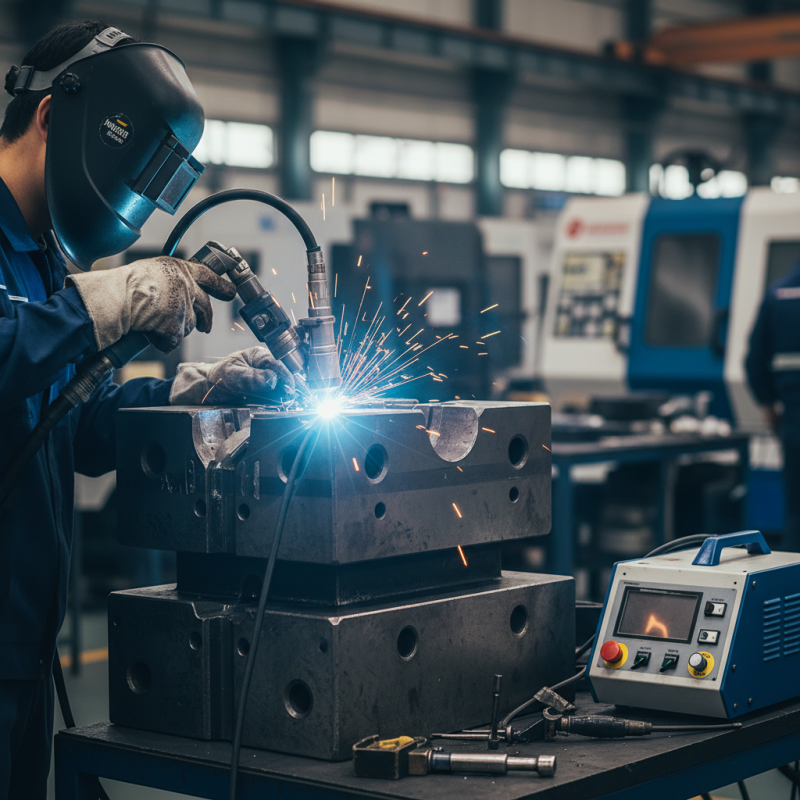
Mould welding repair has become a favored solution for manufacturing needs. This method is particularly useful for repairing damaged moulds. It helps maintain precision and quality in production. Skilled technicians apply welding techniques to fill cracks or defects. This process ensures that moulds perform at their best.
One major benefit is cost-saving. Traditional repair methods can be expensive and time-consuming. Mould welding is often faster and requires fewer materials. Another advantage is the restoration of moulds to their original condition. With careful attention, defects can be eliminated. This leads to improved final products and less waste.
Despite its advantages, mould welding is not without challenges. The process requires specific expertise. Novice welders might struggle with heat control, risking further damage. Continuous training is essential to ensure high-quality repairs. Manufacturers must weigh these factors when considering mould welding as a repair option. Balancing expertise and efficiency is key to successful outcomes.
Comparison of Mould Welding Repair vs. Traditional Repair Methods
Mould welding repair is increasingly gaining attention in manufacturing. It offers several advantages over traditional repair methods. Traditional approaches can be time-consuming and costly. They often require complete part replacement, leading to extended downtimes. Mould welding, on the other hand, can be done quickly on-site. This method allows for repairs without removing the entire mould, saving time and labor costs.
In terms of material integrity, mould welding shows promise. It joins materials at the molecular level. This enhances durability and can extend the lifespan of vital components. However, this method requires skilled technicians. Not all professionals are trained in this specialized technique. There's a risk of improper application if not handled correctly. On the contrary, traditional methods may have more established procedures. Yet, they could lead to compromises in quality due to the excessive wear of original materials.
The choice of repair method ultimately relies on specific needs and conditions. Mould welding is ideal for urgent situations and complex repairs. Traditional methods can work well for routine maintenance. It is essential to evaluate the risks and benefits carefully. Each approach has its strengths and weaknesses that must be considered wisely.
Comparison of Mould Welding Repair vs. Traditional Repair Methods
Key Industries That Benefit from Mould Welding Repair Solutions
Mould welding repair solutions are crucial for various key industries that aim for cost-effectiveness and efficiency. The automotive sector consistently benefits from these services. According to a report from the International Journal of Automotive Technology, over 50% of automotive manufacturers rely on mould repair to extend the life of their tools and reduce downtime. This method minimizes waste and can lead to savings of approximately 30% on new tooling costs.
The aerospace industry also sees significant advantages. Mould welding allows for precise repairs on complex components. A study by the Aerospace Manufacturing and Design Journal noted that up to 40% of repairs in this field involve some form of mould welding. This technique not only ensures structural integrity but also meets stringent safety standards, which are paramount in aerospace applications.
However, it's essential to consider that mould welding is not without its challenges. The process requires a high level of skill and expertise, which can sometimes be a barrier for smaller manufacturers. Training staff and maintaining quality control can be demanding. Yet, the potential to enhance operational efficiency makes exploring mould welding repair a worthwhile pursuit for industries committed to innovation and sustainability.
Factors to Consider When Choosing Mould Welding Repair Services
When considering mould welding repair services, it's essential to evaluate several factors. First, experience in the industry plays a vital role. According to a report by the American Welding Society, companies with over 10 years of experience achieve 30% higher customer satisfaction rates. This experience often translates into better craftsmanship and knowledge of best practices.
Next, assess the technical expertise of the service providers. Certifications and training in advanced welding techniques are crucial. A study by the Fabricators and Manufacturers Association indicates that certified welders reduce repair time by 25%. This efficiency not only saves costs but also minimizes downtime, which can significantly impact production schedules.
Consider the equipment being used as well. Modern machinery and tools can enhance quality and precision. If a repair service lacks the latest technology, they might struggle with complex repairs. It's also worth reflecting on the overall reliability of the service. Are they known for timely deliveries? Check reviews and past performance. While high-quality services can seem pricier, the return on investment usually justifies the cost in terms of longevity and reliability. Remember, not every service provider can meet these critical standards consistently.
Steps Involved in the Mould Welding Repair Process
Mould welding repair is gaining popularity in the manufacturing sector. This method involves several critical steps to ensure effective results. The first stage requires a thorough inspection of the damaged area. This helps in assessing the extent of wear and deciding on the best repair strategy. Understanding the damage is essential for a successful outcome.
After assessing the damage, the next step is preparation. This involves cleaning the surface to remove impurities. A clean surface ensures better adherence of the welding material. This stage can be tedious. It requires attention to detail. Skipping this step can lead to compromised repairs.
Once the area is prepared, the welding process begins. Specialized equipment and materials are used for this purpose. Skilled technicians need to apply the welding process with precision. An experienced team can make a difference in the quality of the repair. Mistakes at this stage can lead to further issues down the line. This is why having knowledgeable professionals is critical for mould welding repair.