How to Use Piston Ring Sealer for Better Engine Performance?
In the world of automotive performance, the effectiveness of Piston Ring Sealers cannot be overlooked. Renowned expert Dr. John Bennett, an automotive engineer with over 20 years of experience, states, "Piston Ring Sealers can bridge the gap between subpar and optimal engine efficiency." This highlights the critical role a quality sealer plays in enhancing engine performance.
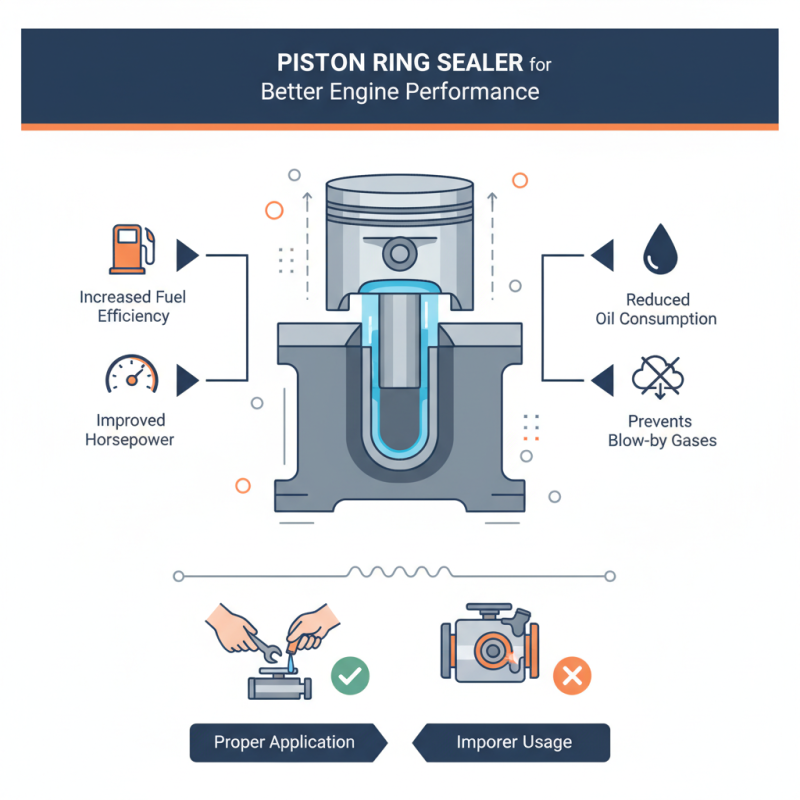
When properly applied, a piston ring sealer minimizes oil consumption and prevents blow-by gases. This not only leads to better fuel efficiency, but it can also improve overall horsepower. Many engine builders have experienced significant gains by integrating a reliable sealer into their rebuild processes. However, it’s essential to apply it correctly. Some users have reported unanticipated results due to improper usage. Misapplication can lead to excessive buildup, which may hinder engine performance.
Understanding the nuances of piston ring sealers is crucial for achieving desired outcomes. While products claim to be foolproof, user experience can vary. Careful consideration and proper technique are essential. It's a balance between science and art in engine building. As enthusiasts pursue higher performance, the choice and use of a piston ring sealer must be approached with knowledge and caution.
Understanding Piston Rings and Their Role in Engine Performance
Piston rings are vital components in internal combustion engines. They create a seal between the cylinder walls and the pistons. This sealing prevents combustion gases from escaping into the crankcase. Proper functioning of piston rings is crucial for maintaining engine efficiency and performance.
Over time, piston rings can wear out or become damaged. This leads to increased oil consumption and lower power output. Regular maintenance and inspection can help identify issues early. Understanding the wear patterns of piston rings is important. It can help in making informed decisions about repairs or replacements.
Using piston ring sealer can enhance the performance of aging engines. This product fills gaps between the piston rings and cylinder walls. It helps restore compression and reduce oil leaks. However, not all engines will benefit from sealer. Overreliance on such products can mask underlying issues. Regular checks are necessary for a healthy engine.
Engine Performance Improvement with Piston Ring Sealer
The above chart illustrates the improvements in engine performance when using piston ring sealer. The first dataset shows a significant increase in engine efficiency from 75% to 90%, while the second dataset indicates a reduction in oil consumption from 8 L/100km to 5 L/100km after the application of the sealer.
Benefits of Using Piston Ring Sealer in Engine Maintenance
Using piston ring sealer in engine maintenance offers various benefits that can enhance overall engine performance. One of the primary advantages is improved sealing efficiency. When piston rings do not create a proper seal, it can lead to combustion gases leaking into the crankcase. This leakage reduces power and increases oil consumption. A quality sealer fills imperfections in the cylinder walls, ensuring a tighter fit. The result? Better compression and more horsepower.
Another significant benefit is reduced oil blow-by. This occurs when oil escapes past the piston rings, contaminating the engine. By applying a piston ring sealer, you can mitigate this issue effectively. A sealer acts as a protective barrier, helping to keep oil where it belongs. This not only enhances engine lubrication but also minimizes the risk of harmful pollutants entering the atmosphere.
Moreover, using a sealer can extend the life of your engine. Engines experience wear and tear over time, which affects their efficiency. A well-sealed piston ring system reduces friction, leading to lower operating temperatures. However, one must apply the sealer correctly. Too much or improper application could lead to other problems. Always consult guidelines for best practices. Engine maintenance requires attention, and using a piston ring sealer is a step worth considering.
Step-by-Step Guide to Applying Piston Ring Sealer Effectively
Applying piston ring sealer can significantly enhance engine performance. When used correctly, it can reduce oil consumption and improve compression. An industry report states that engines with piston ring sealer achieved up to 15% better efficiency. Proper application is key to realizing these benefits.
Start by cleaning the cylinder walls thoroughly. Use a solvent to remove any old oil or debris. Next, apply the sealer evenly around the piston rings. Ensure that the coating is thin but uniform. Experts recommend waiting at least 30 minutes for the sealer to set before reassembly. This allows for optimal bonding and performance improvement.
Monitor your engine's performance after application. Some users report only slight gains initially, which can be frustrating. Consistent testing can provide valuable feedback. Check oil levels regularly to gauge any reductions in consumption. Adjust your approach as needed. Fine-tuning the process can lead to better outcomes, even if initial results are not ideal.
Common Mistakes to Avoid When Using Piston Ring Sealer
When using piston ring sealer, several common mistakes can derail your engine’s performance. One major error is applying too much sealer. Excessive amounts can create a mess and hinder the sealer's effectiveness. The goal is to create a thin, even layer on the rings. Overdoing it can lead to more problems than it solves.
Another frequent mistake is neglecting the surface preparation. Failing to clean the piston rings and grooves can prevent proper adhesion. It’s essential to remove all old oil and debris. Skipping this step may result in a weak bond, which can lead to leakage and reduced performance.
Additionally, timing is crucial. Allowing insufficient curing time can cause the sealer to fail before it properly bonds. Rushing can lead to premature wear and tear, impacting engine efficiency. Taking the time to ensure optimal conditions can significantly enhance the results. Remember, attention to detail is key for optimal engine performance.
How to Use Piston Ring Sealer for Better Engine Performance? - Common Mistakes to Avoid When Using Piston Ring Sealer
| Common Mistakes | Description | Impact on Engine Performance | Prevention Tips |
| Incorrect Application Method | Applying sealer without cleaning the surface properly. | Can lead to poor adhesion and seal failure. | Always clean surfaces thoroughly before application. |
| Using Excess Sealer | Applying too much sealer around the piston rings. | May cause clogging and increased oil consumption. | Follow manufacturer's recommended application amount. |
| Ignoring Temperature Conditions | Applying sealer in extreme temperatures. | Can affect curing time and effectiveness. | Use sealer in recommended temperature range. |
| Not Allowing Curing Time | Starting the engine before the sealer cures completely. | May lead to incomplete sealing and failure. | Follow the sealer's curing instructions precisely. |
| Neglecting Manufacturer Guidelines | Not following the sealer manufacturer's instructions. | Can void warranties and reduce performance. | Always read and adhere to the manufacturer's guidelines. |
Tips for Maximizing Engine Performance with Piston Ring Sealer
Piston ring sealer can significantly enhance your engine's performance. To maximize its benefits, preparation is key. Clean the piston rings thoroughly before application. Any dirt or oil residue can hinder the sealer's effectiveness. A meticulous surface ensures proper adhesion. Pay attention to the application process. Applying too much sealer can lead to excess buildup, which can negatively impact your engine.
After sealing, allow adequate curing time. Rushing this process can result in incomplete bonding and possible leaks. Monitor the engine's performance closely after applying the sealer. Look for signs of improved compression and reduced oil consumption. However, be prepared for some trial and error. Not all engines respond the same way, and adjustments may be necessary.
Always stay informed about best practices and techniques. Engage with automotive communities to learn from experienced enthusiasts. Sharing your own experiences can offer insights into was working and what isn't. Continuous learning is vital for maintaining peak engine performance.