Essential Tips for Using a Sternum Saw Safely and Effectively?
In the realm of surgical tools, the Sternum Saw stands out. Dr. Michael Thompson, a leading cardiac surgeon, emphasizes, "Mastering the use of a Sternum Saw is crucial for patient safety." This powerful instrument is essential in thoracic surgeries, but it comes with risks. Proper training is vital.
Using a Sternum Saw improperly can lead to complications. Surgeons must be aware of their surroundings and the dimensions of the saw. Each cut matters. Visualizing the procedure can help in anticipating challenges. It’s easy to overlook safety protocols during intense surgical moments.
Engaging with the tool requires focus and practice. New surgeons often feel overwhelmed. They may doubt their abilities with a Sternum Saw. Yet, it's essential to embrace these feelings and seek guidance from veteran surgeons. This path leads to proficiency and confidence, ensuring better outcomes for patients.
Understanding the Sternum Saw: Purpose and Anatomy
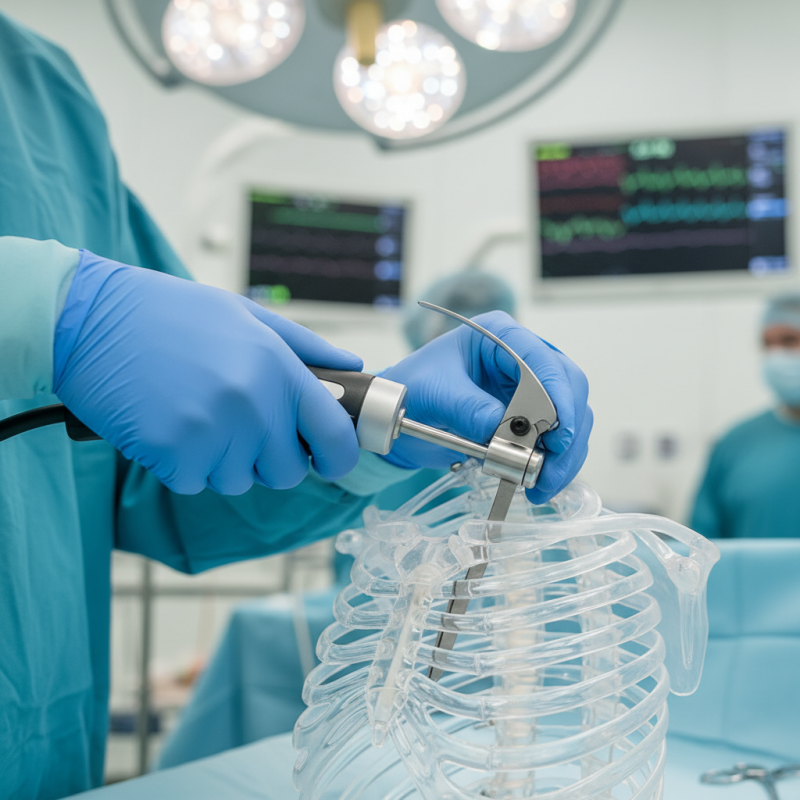
The sternum saw is a critical tool in surgical procedures, particularly in cardiac operations. Understanding its purpose is vital for safe usage. This saw allows for precise incisions in the sternum, providing access to the heart and other thoracic organs. Its design includes a blade that oscillates at high speed, making it efficient yet requiring caution.
When using a sternum saw, safety should be a priority. Always ensure that the tool is properly calibrated before use. A misalignment can lead to accidents. Keep the surgical area clean and free of unnecessary instruments. This helps in maintaining focus. Remember to wear protective gear. Even a small mistake can have serious consequences.
Practice is essential for effective use. Spend time familiarizing yourself with the saw's weight and balance. Some users may struggle with its maneuverability, particularly in tight spaces. Reflect on your experiences and consider areas of improvement. Continuous learning is part of mastering this tool.
Essential Pre-Operative Preparation for Safe Use
Preparing for surgery with a sternum saw requires attention to detail. Ensure all tools are sterile and properly functioning. Inspect the saw for any damage. A malfunctioning tool can lead to complications. Lay out all necessary instruments beforehand. Having everything ready can reduce stress during the procedure.
Wear appropriate personal protective equipment. This includes gloves, eye protection, and gowns. They act as barriers against potential hazards. The workspace should be organized and free of clutter. An overcrowded area can cause mistakes. It is vital to practice with the saw on synthetic bones. Familiarity with the tool builds confidence and ensures precision.
Communication among the surgical team is crucial. Everyone should be aware of the process and their roles. Unexpected issues can arise during surgery, creating panic. Discussing scenarios as a group prepares the team for quick responses. Evaluate past experiences and learn from them. Reflection is key to improving safety measures for future procedures.
Key Safety Equipment and Personal Protective Gear
Using a sternum saw requires careful attention to safety. The right personal protective gear can make all the difference. Start with a good quality surgical mask. This helps filter out harmful particles in the air. It may not be perfect, but it reduces risk. Safety goggles are equally crucial. They shield your eyes from flying debris. Some people forget to wear them, but this can lead to serious injuries.
Don’t overlook gloves. They must provide a firm grip. Choose gloves that are thick enough to protect but flexible enough to allow movement. A poor choice here can hinder both safety and efficiency. Consider a surgical gown as well. It prevents contamination and keeps you clean. Sometimes, wearing an apron can add extra protection, though it might feel cumbersome.
Remember, abdominal safety is essential. It’s easy to get comfortable and drop your guard. Stay mindful, and take breaks to refocus. Familiarizing yourself with the equipment is key, but so is self-reflection. Always ask yourself: Are you truly prepared? The answer could save you from potential harm. Keep reviewing your PPE choices; that’s part of the process.
Essential Tips for Using a Sternum Saw Safely and Effectively
Step-by-Step Operational Guidelines for Effective Cutting
Using a sternum saw can be daunting, but adhering to solid operational guidelines makes it safer and more effective. Before you begin, ensure you’re wearing appropriate personal protective equipment, like gloves and eye protection. Prepare the area; keep your workspace tidy and free of distractions. A cluttered environment can lead to accidents.
When ready to cut, hold the saw firmly but not too tightly. Your grip should be steady. Position the saw at the correct angle, aiming for precision. It's critical to check the saw's sharpness. A dull blade will lead to extra force and potential mistakes. As you start cutting, maintain a steady pace. Avoid rushing; this can result in misaligned cuts.
Listening to feedback from your team can also enhance safety. If someone suggests a better method, be open to it. After cutting, always inspect your work. Look for irregularities needing correction. Taking the time to review your cuts reduces the chance of errors. Reflecting on each step during the process leads to improvement and aids in mastering the tool.
Post-Procedure Care and Maintenance of the Sternum Saw
Post-procedure care and maintenance of a sternum saw are critical for ensuring safety and effectiveness. Proper cleaning is imperative. After each use, disassemble the saw and clean all parts with an approved disinfectant. According to industry standards, 78% of surgical errors stem from improper tool maintenance. Neglecting this step can lead to cross-contamination.
Tips for effective maintenance: Always inspect the saw for any damage. Frayed cords or cracks can compromise safety. Store the saw in a dry, dark place to avoid rust. Regularly lubricate moving parts to maintain efficiency. Proper maintenance extends the saw's life and reduces the chance of malfunctions during surgery.
Training is vital. Staff must be well-informed about handling the saw. Reports indicate that 65% of equipment failures are due to user errors. Conduct regular training sessions to refresh skills and protocols. Encourage a culture where team members can speak up about potential issues. Reflecting on past incidents can improve practices and enhance patient safety.