Thrust Ball Bearing Buying Tips for Global Traders
When entering the world of global trade, understanding the intricacies of Thrust Ball Bearings is essential. These components play a critical role in machinery, allowing rotational movement and providing stability. However, finding the right Thrust Ball Bearing can be a daunting task for newcomers and even seasoned traders.
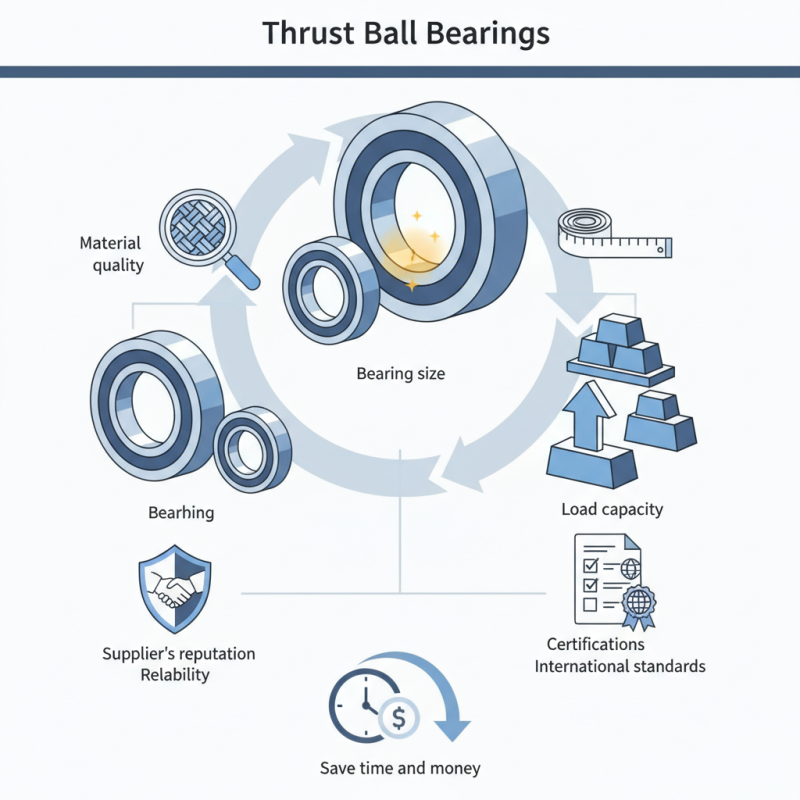
Consider the material quality, bearing size, and load capacity when making your selection. High-quality bearings can significantly enhance machinery performance. Additionally, you should evaluate the supplier's reputation. Are they known for reliability? Do they offer consistent support? These aspects impact the longevity of your investments.
Sometimes, even experienced traders overlook crucial details. Ignoring certifications may lead to costly mistakes. Be cautious and ensure suppliers meet international standards. Each Thrust Ball Bearing differs, and a thorough understanding will ultimately save you time and money.
Understanding Thrust Ball Bearings and Their Applications
Thrust ball bearings are essential components in many machines. They are designed to handle axial loads, which means they can support the weight of a rotating shaft. This makes them ideal for applications in automotive, aerospace, and industrial machinery. Their structure comprises two grooved rings and a set of ball bearings. The balls sit between the rings, allowing smooth rotation.
When choosing thrust ball bearings, one must consider load capacity and speed. The right selection can prevent premature wear and machine failure. However, not all bearings are created equal. Many factors, such as lubrication and alignment, play a crucial role in their performance. It's important to regularly check for signs of wear, as overlooked issues may lead to expensive repairs later.
While thrust ball bearings are efficient, they also require attention. Users often face challenges like improper installation. Mistakes here can lead to vibrations and noise. It can be tempting to ignore these warnings, but doing so might compromise the entire system. Investing time in understanding these components results in better machinery performance and fewer breakdowns.
Key Factors to Consider When Choosing a Thrust Ball Bearing
When choosing a thrust ball bearing, several key factors must be considered. Understanding these factors is essential for global traders. The design of the thrust ball bearing is critical. A well-designed bearing can withstand high axial loads while ensuring smooth movement. Research indicates that around 10% of bearing failures stem from improper loading due to design flaws.
Material selection is equally crucial. Bearings made from high-carbon chromium steel exhibit superior wear resistance. Data shows that bearings manufactured from better materials reduce maintenance costs by up to 25%. This reduction is significant for businesses aiming to optimize operational efficiency.
Another factor is the bearing’s lubrication system. Proper lubrication minimizes friction, extending the bearing's lifespan. Inadequate lubrication can reduce efficiency by 30%. Traders should also keep in mind that installation practices vary. Poor installation can lead to premature failure. It’s essential to follow best practices when installing these components. Reflecting on these details will improve the decision-making process.
Evaluating Supplier Reliability for Global Trade Transactions
When engaging in global trade, supplier reliability is a key factor. Evaluating suppliers goes beyond just price and product availability. It’s important to assess their operational stability. Requesting references from previous clients can provide valuable insights into their reliability. Genuine reviews can be found in industry forums or trade groups. These sources often highlight both positive and negative experiences.
Understanding a supplier’s financial standing is also crucial. A financially unstable supplier may not meet delivery deadlines. This can disrupt your supply chain. Look for financial reports or credit ratings where available. Moreover, consider the supplier's experience in your specific industry. Their expertise can significantly reduce risks when dealing with international transactions.
Be aware that even reputable suppliers can have flaws. Some may overpromise capabilities or timelines. Transparency is vital in these relationships. Communicate your expectations clearly. It’s essential to establish continuous feedback loops. Both parties should understand the importance of reliability in trade. As you navigate this landscape, being mindful of these aspects can lead to better partnerships.
Thrust Ball Bearing Supplier Reliability Evaluation
Cost-Effective Strategies for Importing Thrust Ball Bearings
When importing thrust ball bearings, cost-effectiveness is key. Establishing strong relationships with suppliers can significantly reduce costs. Engage with multiple vendors to understand pricing. This transparency helps negotiate better deals. Always request samples before making bulk purchases. This ensures quality and reduces the risk of returns.
Knowledge of bearing specifications is essential. Different applications require different types. Look into load ratings, sizes, and materials. It’s easy to overlook these details, leading to mismatched products. Understanding your specific needs can save costs in the long run. Don’t rush through the selection process.
Seek feedback from other traders. They can offer insights into reliable suppliers and potential pitfalls. Building a network is beneficial. Learn from others' mistakes; this can prevent costly errors. Trust in your suppliers but verify their claims. Always have a checklist for quality assurance. This vigilance can save both time and money.
Navigating Regulatory Compliance in Thrust Ball Bearing Trade
Navigating regulatory compliance in thrust ball bearing trade can be challenging for global traders. Each region has specific laws governing imports and exports. Understanding these regulations is crucial to avoid costly penalties and disruptions. Familiarize yourself with local and international standards to streamline your trade operations.
When dealing with thrust ball bearings, ensure your suppliers provide necessary certifications. Look for quality assurance documents that confirm compliance with industry regulations. Verify that the products meet safety standards relevant to your market. This practice builds trust and reduces liability concerns.
Keep abreast of changing regulations. Trade policies can shift, affecting your import and export strategies. Regularly consult with legal experts. They can clarify complexities that may arise during transactions. Balancing compliance with business needs is vital. It requires ongoing research and adaptation to ensure smooth operations.