Why Choose Tig Welding Gloves for Maximum Protection and Comfort?
Tig welding is a complex process that demands both skill and precision. The right PPE, particularly Tig Welding Gloves, plays a crucial role in ensuring safety and comfort. According to the Occupational Safety and Health Administration (OSHA), the risk of hand injuries in welding is significant, with approximately 29% of injuries occurring to hands and fingers. These statistics underscore the importance of choosing the right gloves.
Tig Welding Gloves are specially designed to provide superior dexterity and protection against heat and sparks. Made from durable materials like leather and aramid fibers, they adhere to rigorous industry standards. The American National Standards Institute (ANSI) emphasizes that gloves should not only protect but also allow for a high level of tactile sensitivity. However, welders often face challenges in finding gloves that balance protection and comfort effectively.
It's vital for welders to evaluate their specific needs when selecting gloves. Improperly fitting or inadequate gloves can lead to discomfort and reduced performance. A study by the American Welding Society (AWS) indicates that the right glove can enhance a welder's efficiency by up to 20%. Therefore, investing in quality Tig Welding Gloves is not just a safety measure; it is essential for maintaining productivity and ensuring long-term career satisfaction.
Benefits of Tig Welding Gloves for Welders' Safety and Comfort
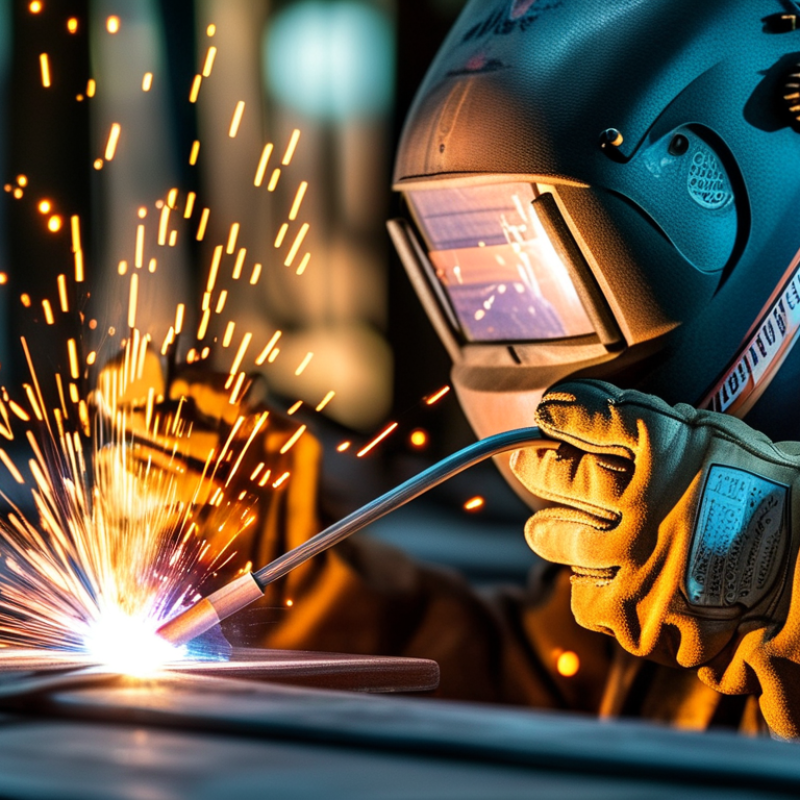
When it comes to welding, safety is paramount. TIG welding gloves provide essential protection and comfort for welders. Designed for precision tasks, these gloves are made of materials that resist heat and abrasion. The snug fit allows for better dexterity, enabling welders to handle tools and materials with improved control. This is crucial when working on intricate projects where detail matters.
One of the main benefits of TIG welding gloves is their insulation against heat. High-quality gloves can prevent burns and injuries associated with high temperatures. They also reduce the risk of electrical shock, a concern for many welders. Opt for gloves that fit well to ensure maximum protection without sacrificing comfort.
Tips: Always check the glove fit before starting work. If they’re too loose, they can slip off easily. Moreover, keep the gloves clean and free from contaminants. Oil or dirt can compromise the material’s integrity. Lastly, periodically inspect gloves for any signs of wear and tear. This is vital for maintaining safety standards during welding tasks.
Benefits of TIG Welding Gloves for Welders' Safety and Comfort
Key Features to Look for in Tig Welding Gloves
When selecting TIG welding gloves, key features can significantly enhance safety and comfort. The material is paramount. High-quality leather, such as cowhide or goatskin, offers durability and heat resistance. According to a report by the American Welding Society, around 40% of welding injuries are due to inadequate protection. Therefore, choosing gloves with proper padding can help mitigate hand fatigue, which often leads to lapses in concentration.
Another critical aspect is dexterity. Gloves designed specifically for TIG welding should ensure the welder has a firm grip on tools and materials. A study showed that up to 30% of welders reported difficulty handling equipment due to overly bulky gloves. Gloves with a snug fit and flexible design allow for finer movement. Ventilation is also an essential feature. Breathable materials can reduce sweat buildup, keeping hands dry and comfortable during long welding sessions.
Look for gloves with reinforced stitching. This adds to their durability against wear and tear. Many welders overlook this feature, but it can extend the life of gloves significantly. Additionally, a reliable wrist closure system keeps gloves secure, preventing accidental slips. While finding the perfect glove can be challenging, paying attention to these features can improve both safety and efficiency in welding tasks.
Material Choices: How They Affect Protection and Dexterity
When selecting tig welding gloves, material choices play a crucial role. Leather is a common option. This natural material offers excellent heat resistance. It allows welders to handle hot materials safely. However, not all leathers are the same. Some might not provide enough dexterity, sacrificing delicate movements.
Synthetic materials are also prevalent. They can offer a lighter feel and better grip. This is essential for precision work. Yet, synthetic gloves may lack the heat protection of leather. Finding the right balance can be challenging. Consider the environment and specific tasks you face.
Inadequate glove material can lead to accidents. Poorly chosen gloves may hinder movement. This can affect accuracy and safety. Welders need to test gloves for fit and feel. It’s important to prioritize both protection and comfort. A small oversight can lead to significant issues in the workshop.
Comparing Tig Welding Gloves to Other Welding Glove Types
When selecting welding gloves, the importance of material and design cannot be overstated. Tig welding gloves are often made from high-quality leather, providing excellent dexterity. This is particularly crucial for tasks requiring precision, such as thin material welding. A study by the American Welding Society reports that gloves offering better grip and flexibility can enhance welding performance by 30%. This is significant, especially when compared to traditional MIG and stick welding gloves, which tend to prioritize durability over dexterity.
While MIG and stick gloves are thicker, they can hinder movement. A welder's inability to feel the material can lead to poor weld quality. Moreover, research indicates that welders prefer Tig gloves because they maintain a balance between protection and tactile sensitivity. Inadequate gloves can result in accidents or injuries. The National Institute for Occupational Safety and Health states that 25% of workplace injuries in welding occur due to improper hand protection. This underscores the essential role of choosing the right gloves for the job. Feeling comfortable and secure in your gloves affects your overall productivity in the workplace.
However, it's important to remember that not all Tig gloves are created equal. Variations in stitching, insulation, and fit can influence comfort and protection levels. Welders should reflect on their specific needs and working conditions when selecting gloves. Evaluating personal comfort and workplace safety can help determine the most appropriate glove type, leading to better performance and fewer injuries.
Proper Care and Maintenance of Tig Welding Gloves for Longevity
Proper care and maintenance of TIG welding gloves are essential for their longevity. Maintaining these gloves ensures that they provide optimal protection while delivering comfort during welding tasks. Regular inspection is crucial. Look for signs of wear, such as holes or frayed seams. If any defects are found, it's time to consider replacing them.
Cleaning your TIG welding gloves is also important. Avoid harsh chemicals that can damage the material. Instead, opt for gentle soap and warm water. Many gloves can be wiped down easily. After washing, air dry them away from direct heat sources. This will help maintain flexibility and prevent cracking.
Storage can impact the gloves’ lifespan. Store them in a cool, dry area away from sunlight. Heat and moisture can weaken the fabric. Consider using a breathable bag to keep them protected. Reflecting on these practices will lead to a better understanding of how to care for your gloves effectively. A little effort goes a long way in maintaining their quality.