
7 Tips for Choosing a Feather Meal Processing Machine
Poultry processors face a practical challenge: turning wet, fibrous feathers into a stable, usable protein ingredient. The scale of the sector makes that challenge significant. The FAO’s Food Outlook, published in 2024, forecast global meat production at about 365 million tonnes that year. The OECD-FAO Agricultural Outlook 2024–2033 also identifies poultry as a major driver of future meat-production growth. These reports do not specify feather volumes, but they show why dependable by-product handling deserves careful attention.
Choosing a Feather Meal Processing Machine is not just a matter of buying the largest unit. Capacity must match actual feather supply, operating hours, and planned product output. Moisture, particle size, heat treatment, and drying performance can affect both processing efficiency and finished meal quality. Small details matter. A machine that looks efficient on paper may struggle with variable feedstock or costly maintenance. I have seen equipment decisions become difficult when buyers compare quoted throughput without checking the conditions behind the figures. That deserves a closer look.
This guide presents seven practical tips for evaluating machines and suppliers. It considers capacity, process configuration, energy use, construction materials, controls, maintenance access, and technical support. Ask vendors for test data using feedstock similar to yours, not only ideal samples. Request clear figures for power consumption and output, and verify what those figures include. No single specification guarantees success. The right choice depends on your plant, staff, and production goals.
Understanding the Feather Meal Processing Workflow
7 Tips for Choosing a Feather Meal Processing Machine
Understanding the Feather Meal Processing Workflow
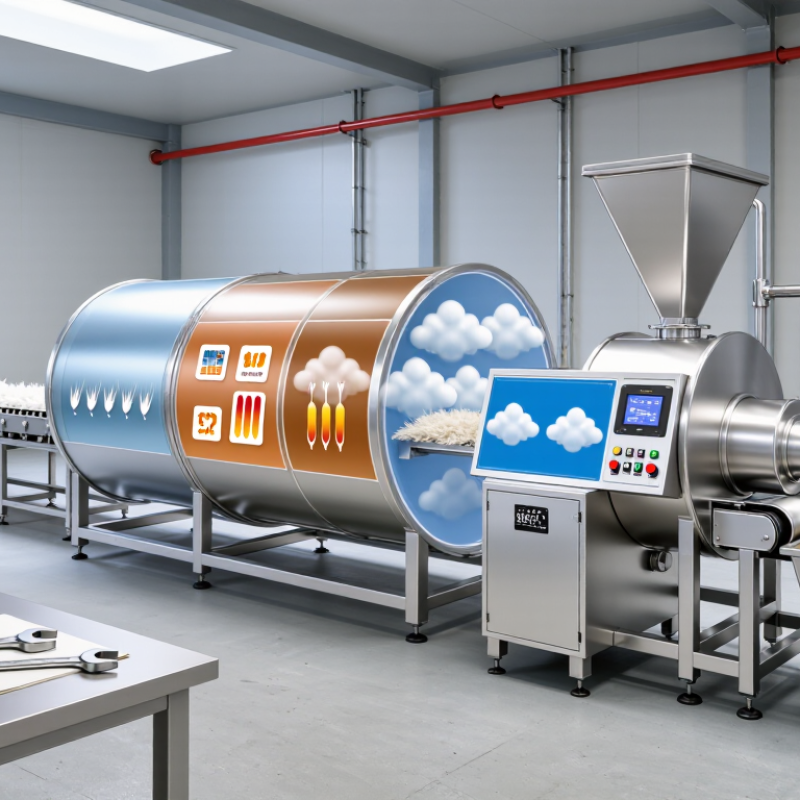
Feather meal production begins with receiving and inspecting raw feathers. Remove visible foreign material before processing. Then, feathers enter a hydrolysis stage, where controlled heat, pressure, and time help break down their tough structure. These settings need careful monitoring. Guesswork can leave uneven results.
After hydrolysis, the material is dried until it reaches a suitable moisture level. It is then milled and screened to create a more consistent meal. Check that the machine line allows operators to monitor temperature, pressure, and moisture at key points. Clean access matters, too. Clogged screens can slow production, and hard-to-reach surfaces make routine cleaning difficult. Actual settings depend on the material and equipment; one recipe may not fit every batch.
Tips: Map each step before comparing machines. Ask how the system handles wet material, controls drying, and manages dust during milling. Check capacity against your real daily volume, not just a supplier’s best-case figure. Leave room for maintenance and future adjustments. Small details count. A machine can look efficient on paper yet prove awkward to operate, so review the workflow with the people who will run it.
7 Tips for Choosing a Feather Meal Processing Machine - Understanding the Feather Meal Processing Workflow
| Tip | Workflow Stage | What to Check | Why It Matters |
|---|---|---|---|
| 1 | Raw-material receiving and preparation | Confirm the machine’s rated capacity in kilograms or tonnes per hour, and check whether the rating refers to incoming wet feathers or finished meal. Provide the supplier with your expected daily volume and operating hours. | Feather volume and moisture can vary. Sizing equipment from finished-product output alone may result in an undersized receiving, conveying, or cooking system. |
| 2 | Feather preparation | Check how the line handles foreign material, clumps, and excess water. Ask whether the proposed setup includes suitable conveying and, where needed, washing or mechanical dewatering equipment. | Consistent, well-prepared feed helps maintain steady flow through the cooker and reduces avoidable interruptions downstream. |
| 3 | Hydrolysis and cooking | Request the proposed operating temperature, pressure, treatment time, batch or continuous capacity, and control method. Confirm that the settings are validated for the intended raw material and comply with applicable requirements. | Hydrolysis is a key processing step for feather meal. The operating conditions and residence time affect treatment consistency and must be managed safely. |
| 4 | Steam supply and pressure control | Ask for the required steam flow, pressure range, connection details, and expected utility demand. Verify that pressure vessels, safety devices, and controls are designed for the specified operating conditions. | A cooker can only operate as intended when its steam supply and pressure controls match the process design. This check also helps plan utility capacity before installation. |
| 5 | Drying and moisture management | Compare dryer capacity with the expected wet feed rate. Ask how inlet and outlet moisture are monitored, what heat source is required, and how the supplier will confirm the finished product’s moisture level. | Drying capacity must keep pace with the cooker. Moisture measurement supports consistent storage and helps prevent problems associated with product that is too wet. |
| 6 | Grinding and screening | Specify the desired particle-size range and ask about mill capacity, screen options, wear-part replacement, and access for clearing blockages. Confirm that the mill is matched to the dryer’s output. | Grinding and screening determine the final meal’s particle size. A mismatch between mill and dryer capacity can create a production bottleneck. |
| 7 | Controls, cleaning, and maintenance | Review the control system, alarms, emergency stops, inspection access, cleaning procedures, spare-parts list, and routine maintenance schedule. Confirm operator training and local service arrangements. | Clear controls and practical maintenance access support reliable operation, safer work practices, and faster troubleshooting across the complete processing line. |
Planning note: Capacity, utility demand, operating conditions, and final product specifications depend on raw-material characteristics, process design, and local requirements. Treat supplier figures as project-specific and verify them against your operating data before purchase.
BUSINESSES USING CAMASTER