China Top 10 Plastic Tarpaulin Manufacturers
Choosing among China’s leading Plastic Tarpaulin manufacturers takes more than comparing prices. Buyers should examine fabric weight, coating, weave density, seam strength, and quality-control records. A sample can reveal useful details: the feel of the surface, the finish around each eyelet, and whether reinforced hems look consistent. Small differences matter.
As materials engineer Daniel Mercer puts it, “A tarp earns trust at its seams, not on a spec sheet.” That is a useful test, though no single quote or specification can replace factory verification. This guide compares ten Chinese manufacturers through practical criteria, including product range, customization, production capability, and communication. It also considers common applications, from construction covers to agricultural storage, where sun exposure, rain, and repeated handling can stress the material.
Look closely at the details. Ask how UV resistance is assessed, whether samples match quoted specifications, and how defects are handled. A low quoted price may not include the coating, reinforcement, or packaging you expected. Rankings can help narrow the field, but they are not a substitute for checking current documents and testing samples. Even careful research has limits: published claims may be incomplete, and factory conditions can change. Use this list as a starting point, then confirm the details that matter to your order.
What Plastic Tarpaulins Are and How They Are Used
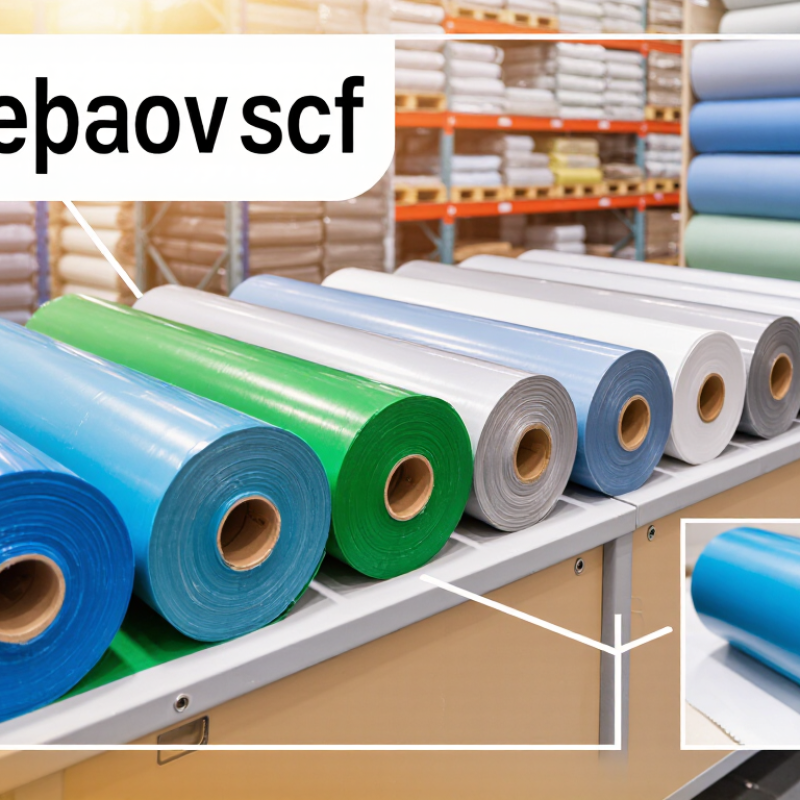
A plastic tarpaulin is a flexible sheet made from woven or film-based plastic, often reinforced with a protective coating. Many common tarps use polyethylene, which is lightweight and resists moisture. Woven fibers give the sheet strength, while laminated surfaces help limit water penetration. Reinforced edges and metal or plastic eyelets make it easier to secure with rope or straps.
Simple, but useful. Tarpaulins cover building materials, firewood, garden equipment, crop piles, and outdoor furniture. On a worksite, a sheet can shield tools from rain and dust; in a garden, it can help cover soil or collected leaves. They are also used for temporary ground covers and cargo protection. A tarp is not a permanent roof. Wind can pull loose edges, and water may collect in a sagging center. Secure the corners, allow drainage, and avoid blocking needed ventilation. Sunlight gradually weakens some plastics, so check for brittleness, tears, and damaged eyelets. Let a wet tarp dry before folding it away. Even careful storage cannot prevent every crack, and choosing a heavier sheet is not always the right answer if the load needs airflow.
China Top 10 Plastic Tarpaulin Manufacturers - What Plastic Tarpaulins Are and How They Are Used
The table compares ten common plastic tarpaulin types and applications. Specification ranges are indicative: actual construction and performance vary by supplier, product design, and testing method. The rows are not a manufacturer ranking.
| No. | Tarpaulin Type | Typical Construction | Indicative Weight Range | Common Uses | Practical Considerations |
|---|---|---|---|---|---|
| 1 | Standard PE woven tarpaulin | Woven high-density polyethylene (HDPE) fabric laminated with low-density polyethylene (LDPE) | About 70–250 g/m² | Covering goods, equipment, building materials, and outdoor storage | Lightweight and water-resistant; service life depends on thickness, reinforcement, and UV exposure. |
| 2 | Heavy-duty PE woven tarpaulin | Heavier woven PE fabric with laminated surfaces and reinforced edges | About 180–300 g/m² | Longer-term outdoor covering, machinery protection, and construction-site use | Check grommet spacing, edge reinforcement, and stated UV resistance for the intended conditions. |
| 3 | PVC-coated polyester tarpaulin | Polyester scrim coated on both sides with polyvinyl chloride (PVC) | About 400–1,000 g/m² | Truck covers, industrial curtains, tents, and heavy-duty shelters | Durable and weldable; heavier and less compact than many PE tarpaulins. |
| 4 | PVC-coated mesh tarpaulin | Open-weave polyester mesh with PVC coating | About 250–600 g/m² | Shade screens, fence screening, and ventilated enclosures | Allows airflow and partial visibility; mesh construction is not a fully waterproof barrier. |
| 5 | PE mesh shade tarp | Knitted or woven polyethylene mesh, often with reinforced borders | About 80–250 g/m² | Garden shade, temporary screening, and covering loads that need ventilation | Shade performance depends on mesh design and openness; it is generally not waterproof. |
| 6 | Agricultural silage cover | UV-stabilized PE film or woven PE cover, sometimes used with a protective net | Film commonly about 100–250 μm thick; woven versions vary by design | Covering silage clamps, hay, and selected agricultural materials | Correct sealing and secure weighting are important; inspect for punctures and wind damage. |
| 7 | Truck and cargo cover | Reinforced PE fabric or PVC-coated polyester, with hems and tie-down points | PE versions commonly about 150–300 g/m²; PVC versions are often heavier | Protecting cargo from rain, dust, and road debris during transport | Select material and fastening strength for load size, transport conditions, and expected abrasion. |
| 8 | Groundsheet and camping tarp | Coated PE fabric or coated polyester fabric with sealed or reinforced edges | About 80–250 g/m², depending on material and intended use | Tent footprints, temporary rain shelters, and outdoor equipment protection | Ground contact can cause abrasion; use a suitable thickness and avoid sharp surfaces. |
| 9 | Water tank or pond liner | Flexible PE or PVC sheet, with material selected for the intended water and site conditions | Often about 0.5–1.5 mm thick; specifications vary by liner design | Temporary water storage, ponds, and containment applications | Confirm chemical compatibility, seam integrity, and suitability for drinking-water use where applicable. |
| 10 | Flame-retardant tarpaulin | Treated PE fabric or PVC-coated polyester produced to a specified fire-performance standard | Varies by base fabric and required performance | Events, temporary partitions, and work areas where fire performance is required | Verify current test certificates and the applicable standard; “flame-retardant” does not mean fireproof. |
Note: GSM means grams per square metre. Film thickness is shown in micrometres (μm) or millimetres (mm); these measurements are not directly interchangeable with fabric weight.
BUSINESSES USING CAMASTER