Top Flange Types for Global Buyers What to Know?
When exploring the world of industrial components, understanding the diverse Flange Type options is essential for global buyers. These components play a critical role in connecting pipes, valves, and equipment. Their functionality directly impacts system efficiency and safety. Choosing the right flange type ensures proper sealing and reduces the risk of leaks.
There are many flange types available, each suited for specific applications and environments. Factors like pressure ratings, material compatibility, and temperature influence the selection process. Knowledge of these details is vital for making informed decisions. Buyers must also consider how the wrong choice can lead to operational failures.
The global market offers various flange types that cater to different industries. Understanding this diversity is key. Knowledge not only helps in acquiring the right components but also in fostering better collaboration with suppliers. As buyers navigate this complex landscape, reflecting on past choices and exploring new options is crucial.
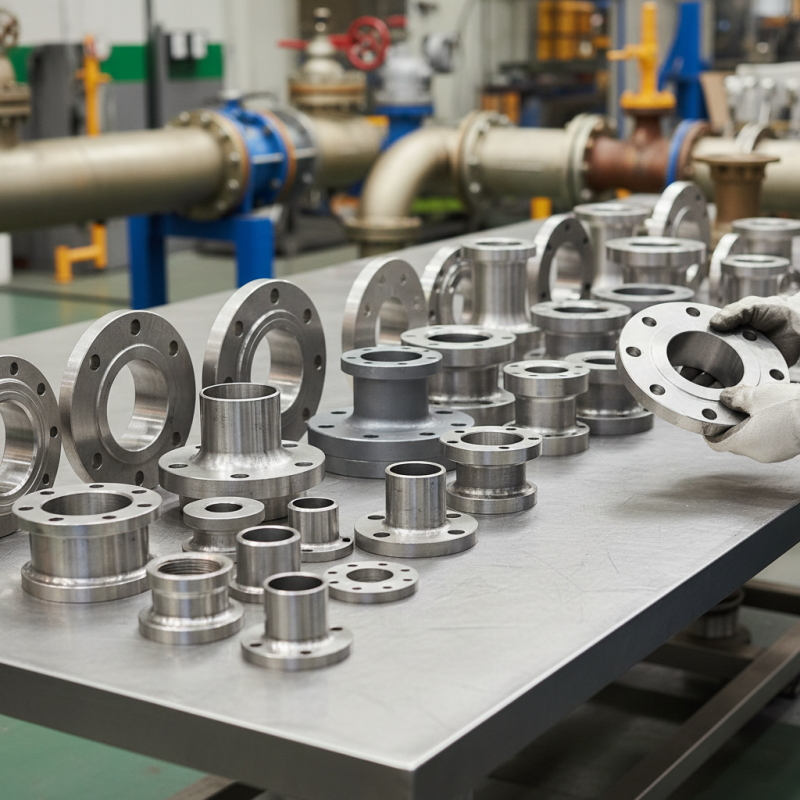
Understanding Different Types of Top Flanges in Global Markets
When navigating global markets, understanding top flanges is essential. These components serve as junctions in piping systems. Various flange types exist, each tailored for specific applications. A few common types include weld neck, slip-on, and blind flanges. Each type has unique designs and advantages, making them suitable for different projects.
Weld neck flanges are considered stronger and more reliable. They provide a good stress distribution during welding. Slip-on flanges are easier to install, but might not handle high pressure as effectively. Blind flanges close off piping systems. They are crucial for maintenance and inspection processes. Each type requires careful consideration based on the project's demands.
However, buyers often struggle to choose the right type. The lack of clear specifications can lead to costly mistakes. Understanding material compatibility is vital. Misalignment between flange types can cause leaks. Buyers should communicate clearly with suppliers. Doing so helps prevent confusion and ensures the right products are chosen for their needs.
Key Materials Used in Top Flange Manufacturing
When considering top flange manufacturing, the materials used play a vital role. Commonly, carbon steel, stainless steel, and alloy steel are favored for their unique properties. Carbon steel offers strength and durability, while stainless steel is resistant to corrosion. Alloy steel brings additional hardness and toughness, making it a superb choice for high-stress applications. According to industry reports, over 45% of flanges produced globally utilize carbon steel due to its cost-effectiveness and mechanical performance.
The manufacturing process varies significantly based on material. Steel flanges often undergo methods like forging and casting. Forging provides superior strength, while casting allows for complex shapes. Interestingly, industry analysts note that forged flanges can withstand higher pressures compared to their cast counterparts. Yet, the choice of material and production method can impact the overall supply chain, leading to varying lead times and costs. A report highlighted that 30% of buyers faced delays due to material shortages, showing the importance of careful planning in procurement.
Factors to consider include the environment where the flanges will operate. For example, acidic or high-temperature environments may require special alloys or coatings. Surprisingly, many manufacturers overlook these factors, resulting in premature flange failure. In light of these potential oversights, maintaining a strong focus on material selection, manufacturing processes, and operational demands is crucial for achieving optimal flange performance in global markets.
Important Factors to Consider When Purchasing Top Flanges
When purchasing top flanges, understanding material selection is crucial. The right material impacts durability and performance. Common choices include stainless steel, carbon steel, and plastic. Each material offers unique pros and cons. For example, stainless steel resists corrosion, while carbon steel is often more economical. Consider your application’s specific needs.
Design standards are another essential factor. Different industries may require various flange designs based on compatibility and pressure ratings. Flanges that meet industry standards ensure reliable performance. It’s vital to understand your project’s requirements thoroughly. Some buyers may overlook the importance of these specifications, leading to future issues.
Additionally, supplier reliability plays a significant role. Engaging with reputable suppliers ensures quality products. Some might choose low-cost options without verifying quality. This can result in inconsistent performance and increased costs over time. Investing in quality and reliability is often more beneficial than pursuing the lowest price. Take the time to seek expert guidance if needed. This thoughtful approach can prevent costly mistakes.
Top Flange Types and Their Popularity Among Global Buyers
Global Standards and Regulations for Top Flanges
When it comes to top flanges, understanding global standards and regulations is crucial for compliance and safety. Various international standards organizations, such as the American National Standards Institute (ANSI) and the International Organization for Standardization (ISO), set vital guidelines. According to a recent industry report, over 35% of manufacturing defects are linked to non-compliance with these standards. Proper adherence can significantly reduce such risks.
Flanges must meet stringent specifications, particularly in industries like oil and gas. The ASTM A105 standard, for instance, dictates that carbon steel flanges must withstand high pressure and temperature. Statistics indicate that flanges that don't meet these specifications can lead to costly failures. The repercussions can be severe, including project delays, financial losses, and compromised safety. Furthermore, the European Union's Pressure Equipment Directive (PED) establishes safety standards that are equally important across various sectors.
Despite the importance of these regulations, many companies struggle to fully comply. A survey revealed that nearly 40% of manufacturers face challenges in meeting these regulations, often due to material shortages or lack of employee training. This gap underscores the need for improved quality control measures. Manufacturers cannot afford to overlook these standards, as doing so may not only jeopardize their operations but could also endanger lives.
Common Applications and Industries Utilizing Top Flanges
Top flanges are integral components in various industries. They connect pipes and equipment, ensuring leaks are minimized. Common applications for top flanges include construction, water treatment, and petroleum. Each of these industries has unique requirements, demanding specific flange types that enhance performance and safety.
In the construction industry, top flanges are used in HVAC systems. They support ductwork while allowing easy access for maintenance. In water treatment facilities, flanges help manage water flow. They secure pumps and valves, ensuring efficient operation. In the petroleum sector, flanges connect pipelines and tanks. The right choice of material is crucial to prevent corrosion from harsh chemicals.
Proper installation of top flanges is vital. Misalignment can lead to failures, causing delays and increased costs. Regular inspections are necessary to maintain integrity. While many industries rely heavily on top flanges, awareness of their limitations is essential. Understanding the impact of pressure, temperature, and material choice is crucial in preventing breakdowns.
Top Flange Types for Global Buyers What to Know?
| Flange Type | Common Applications | Industries Utilizing | Material Type |
| Weld Neck Flange | Piping Systems | Oil & Gas, Petrochemical | Carbon Steel, Stainless Steel |
| Slip-On Flange | Low Pressure Applications | Water Treatment, HVAC | Carbon Steel, Alloy Steel |
| Blind Flange | Sealing Open Ends | Refineries, Power Plants | Stainless Steel, PVC |
| Socket Weld Flange | High Pressure Applications | Chemical Processing, Marine | Carbon Steel, Stainless Steel |
| Lap Joint Flange | Pipe Systems with a Flanged Joint | Pharmaceutical, Food Processing | Stainless Steel, Alloy |