Top 10 Flue Gas Desulfurization Equipment Suppliers

Flue Gas Desulfurization Equipment is central to controlling sulfur dioxide emissions from coal-fired power plants, waste-to-energy facilities, and heavy industrial boilers. The right system can reduce emissions, protect nearby communities, and support stable plant operation. Yet equipment selection is rarely simple. Limestone availability, absorber design, corrosion control, energy consumption, gypsum quality, and wastewater treatment all affect the final decision.

“Sound environmental decisions depend on reliable data and transparent assumptions,” notes environmental engineer Dr. David A. Dzombak. This principle is especially relevant when comparing suppliers. Marketing claims may highlight removal efficiency, but plant owners also need verified operating records, maintenance support, retrofit experience, and realistic lifecycle costs. Small details matter. A blocked mist eliminator can reduce performance. Poor slurry control can increase scaling. Unclear service terms can create expensive delays.

This Top 10 Flue Gas Desulfurization Equipment Suppliers overview examines manufacturers through practical criteria rather than brand visibility alone. It considers wet limestone scrubbers, spray dry absorbers, dry sorbent systems, oxidation technology, process controls, and emissions monitoring integration. Supplier experience with local fuel conditions also deserves attention. A system designed for low-sulfur fuel may struggle after a fuel change.

No ranking is perfect. Project size, regulations, fuel chemistry, water availability, and plant age can change the outcome. Buyers should verify technical data independently, request reference projects, and compare total ownership costs. The strongest supplier is not always the largest. It is the one that can deliver dependable performance under actual site conditions.
Top 10 Flue Gas Desulfurization Equipment Suppliers

What Is Flue Gas Desulfurization Equipment?

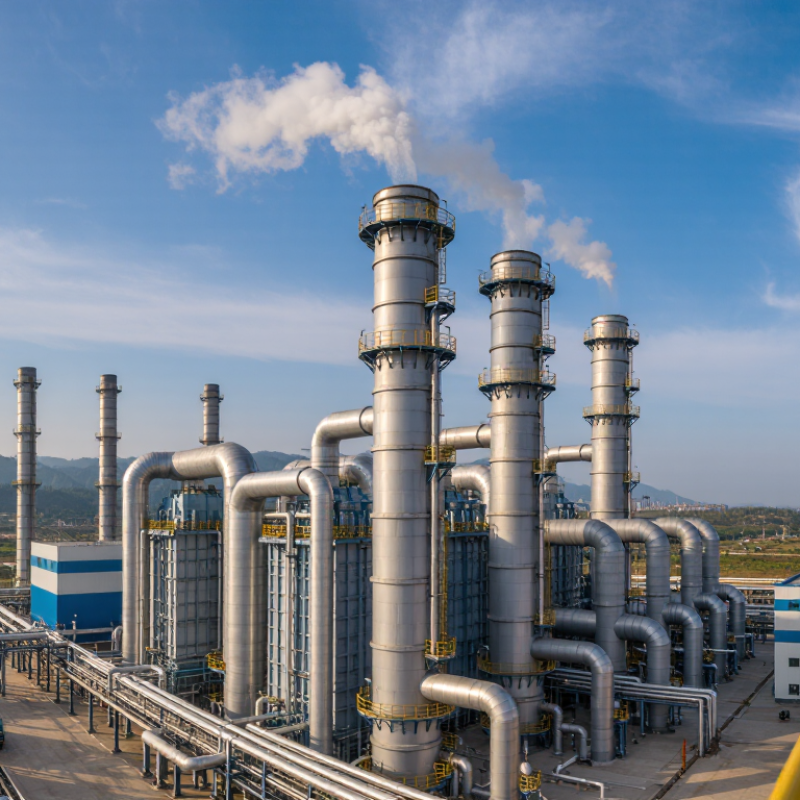
Flue gas desulfurization equipment removes sulfur dioxide from industrial exhaust before it reaches the atmosphere. It is commonly installed in power plants, cement facilities, metal-processing sites, and waste-to-energy operations. The equipment treats hot gas produced by fuel combustion. It does not remove every pollutant.

A typical wet scrubber sprays a limestone-based slurry through a reaction tower. Sulfur dioxide dissolves in the liquid and reacts with alkaline material. The process forms gypsum or another stable by-product. Pumps, spray headers, mist eliminators, tanks, fans, and control instruments work together. Dry and semi-dry systems use less water, but their performance depends strongly on gas temperature and reagent quality. In operating facilities, blocked nozzles and worn pumps can reduce removal efficiency quickly. Maintenance matters.

Selecting reliable equipment requires more than comparing rated capacity. Engineers should review sulfur content, gas volume, moisture, temperature, chloride levels, and required emission limits. Materials must resist corrosion, especially around slurry tanks and ducts. A well-designed control system adjusts reagent flow as gas conditions change. Field experience shows that laboratory results may not match full-scale performance. Poor monitoring, uneven spray coverage, or inaccurate sensors can create unexpected gaps. Operators should inspect pressure readings, pH trends, vibration, and gypsum quality regularly. Safety procedures also need practical testing, not just paperwork. The best supplier provides verified data, clear maintenance requirements, commissioning support, and training for plant personnel.

How the Top 10 Suppliers Are Evaluated

A credible Top 10 list of flue gas desulfurization equipment suppliers should explain its evaluation method clearly. Real operating experience matters more than polished brochures. Reviewers should examine installations with similar fuel types, gas volumes, sulfur levels, and plant conditions. A system treating coal exhaust may perform differently in a waste-to-energy facility. Site visits, maintenance records, and verified operating data provide stronger evidence than sales claims.

Technical capability deserves careful attention. Evaluators can compare sulfur dioxide removal rates, pressure drop, water consumption, reagent use, and equipment availability. They should inspect absorber design, corrosion protection, mist eliminators, pumps, and control systems. Service quality also matters. Response times, spare-part access, operator training, and warranty terms often affect long-term results. Lifecycle cost should include installation, energy use, waste handling, upgrades, and planned shutdowns.

Tips: Ask for three comparable references. Request measured performance data. Check who maintains the system after commissioning. Read exclusions in the proposal carefully. A low purchase price can hide expensive maintenance. No supplier is perfect. Evaluation teams should record assumptions and identify missing evidence instead of filling gaps with optimism. Independent testing can reveal performance differences that appear invisible during presentations. Past results help, but they never guarantee future performance. Conditions change.

Top 10 Flue Gas Desulfurization Equipment Suppliers - How the Top 10 Suppliers Are Evaluated

Anonymized comparison based on technical capability, environmental performance, project execution, lifecycle support, and commercial value.

Rank Anonymized Supplier Primary FGD Technology Typical SO₂ Removal Rate Applicable Plant Capacity Reagent Flexibility Design Availability Target By-Product Management Lifecycle Service Coverage Evaluation Score
1 Supplier 01 Wet limestone–gypsum absorber 98.0–99.5% 300–1,200 MW High; limestone, lime, and blended reagents ≥99.5% Commercial gypsum recovery Engineering, commissioning, upgrades, and remote monitoring 94/100
2 Supplier 02 Wet limestone–gypsum absorber 97.5–99.5% 200–1,000 MW High; limestone and lime ≥99.5% Gypsum dewatering and reuse systems Full EPC support and long-term maintenance 92/100
3 Supplier 03 Spray dry absorber 90.0–97.0% 50–500 MW Medium; hydrated lime preferred ≥99.0% Dry solid residue handling Process optimization, spares, and field service 89/100
4 Supplier 04 Circulating dry scrubber 92.0–98.0% 100–700 MW Medium; lime-based reagents ≥99.0% Dry ash and reaction-product recovery Digital diagnostics and retrofit engineering 88/100
5 Supplier 05 Seawater flue gas desulfurization 92.0–98.0% 150–900 MW Low reagent demand; seawater alkalinity ≥99.0% Neutralized effluent treatment Marine engineering, compliance support, and maintenance 86/100
6 Supplier 06 Dry sorbent injection 50.0–85.0% 25–500 MW High; sodium bicarbonate, trona, or lime ≥98.5% Dry sorbent residue management Fast retrofit delivery and operating support 83/100
7 Supplier 07 Ammonia-based wet scrubbing 95.0–99.0% 100–600 MW Ammonia solution or ammonium-based reagent ≥99.0% Ammonium sulfate fertilizer recovery Process control, safety systems, and product handling 82/100
8 Supplier 08 Regenerable sorbent FGD 95.0–99.0% 50–400 MW Specialized regenerable sorbent ≥98.5% Sulfuric acid or elemental sulfur recovery Specialist operation, catalyst support, and monitoring 80/100
9 Supplier 09 Compact wet scrubber package 90.0–97.5% 10–250 MW Medium; lime or limestone ≥98.5% Sludge thickening and dewatering Modular installation, spare parts, and local service 78/100
10 Supplier 10 Hybrid wet–dry FGD system 88.0–97.0% 30–450 MW High; lime, limestone, and dry sorbents ≥98.5% Flexible gypsum or dry-residue handling Retrofit studies, controls integration, and maintenance 76/100
Evaluation dimensions include SO₂ removal capability, plant-size suitability, reagent flexibility, availability target, by-product utilization, service coverage, and overall technical-commercial value. Performance ranges vary with fuel sulfur content, inlet gas conditions, operating load, reagent quality, and local emissions requirements.

Profiles of the Top 10 Flue Gas Desulfurization Suppliers

Top 10 Flue Gas Desulfurization Equipment Suppliers

Profiles of the Top 10 Flue Gas Desulfurization Suppliers

The ten supplier profiles compare engineering depth, operating experience, and equipment flexibility. Each supplier is assessed through practical project factors, not marketing claims alone. Key systems include wet scrubbers, dry sorbent units, spray dryers, and supporting dewatering equipment. Their solutions serve power plants, cement facilities, metal processing sites, and waste treatment operations.

A reliable profile should show verified removal performance, corrosion control methods, and realistic maintenance requirements. It should also explain reagent use, pressure loss, wastewater handling, and spare-part access. Strong suppliers usually provide process simulations, factory testing, commissioning support, and operator training. Local service coverage matters when a pump fails during a high-load operating period. Still, no supplier is perfect. Some designs look efficient but become expensive when by-product quality changes. This deserves closer review.

Tips: Request references from facilities with similar sulfur levels and gas volumes. Compare guaranteed performance with actual operating data. Check whether the supplier documents inspection points, emergency bypass procedures, and expected component life. Ask for a complete lifecycle estimate, not only the purchase price. Keep questions specific. Vague answers often signal weak project preparation. Supplier rankings can also change as technologies improve, regulations develop, and service teams move. Recheck the evidence before signing a contract.

Key Technologies Offered by Leading Suppliers

Leading flue gas desulfurization suppliers now offer more than scrubber vessels. Their key technologies combine sulfur removal, water control, corrosion resistance, and continuous monitoring. Wet limestone-gypsum systems remain widely used because they can exceed 95% sulfur dioxide removal under stable operating conditions. They also produce gypsum that may support cement or wallboard manufacturing.

Dry sorbent injection uses hydrated lime or sodium-based sorbents. It requires less water and usually needs simpler equipment. However, reagent costs can rise when inlet sulfur levels change sharply. Spray-dry absorbers offer another option for medium-sized units. They reduce wastewater concerns, but their performance depends heavily on atomizer condition and gas temperature.

Digital control is becoming central. Sensors track sulfur dioxide, oxygen, pressure drop, pH, slurry density, and outlet temperature. The U.S. Environmental Protection Agency’s 2023 Acid Rain Program report recorded a 95% reduction in power-sector sulfur dioxide emissions from 1990 levels. That result shows the value of regulation, equipment upgrades, and operational discipline. The International Energy Agency’s Coal 2023 report also noted that coal demand remained near record levels, keeping retrofit expertise relevant in many regions.

In retrofit reviews, suppliers increasingly specify modular absorbers, high-alloy linings, mist eliminators, and wastewater treatment packages. Field conditions are rarely perfect. Fouling happens. Pumps fail. A design that looks efficient on paper may underperform without skilled maintenance and reliable sampling.

How to Choose the Right Desulfurization Equipment Supplier

Choosing among the top 10 flue gas desulfurization equipment suppliers requires more than comparing purchase prices. Start with site data: fuel sulfur content, gas volume, temperature, dust loading, and required outlet limits. A supplier should explain its design assumptions clearly. In my experience, vague guarantees often become expensive changes after installation.

Performance evidence matters. The U.S. EPA Air Pollution Control Cost Manual reports that wet limestone scrubbers can achieve approximately 90–99% sulfur dioxide removal under suitable operating conditions. However, actual results depend on reagent quality, liquid-to-gas ratio, oxidation control, and maintenance. Ask for independently verified test records from similar boilers, not only laboratory figures. Request details on pressure drop, water use, limestone consumption, gypsum quality, and wastewater treatment.

Reliability is measurable.

Review the supplier’s commissioning history, operator training, spare-parts support, and response times. The International Energy Agency has repeatedly identified efficiency improvements and emissions controls as important factors in reducing coal-power environmental impacts. Still, a highly efficient system may be unsuitable if local water supplies are limited. I would also examine five-year lifecycle costs, because the cheapest quotation can conceal fan upgrades, corrosion repairs, or difficult waste handling. No evaluation is perfect. Site conditions change, and supplier projections can be optimistic. A transparent supplier should disclose uncertainty, provide conservative guarantees, and accept performance testing by an independent specialist.

CAMaster Logo