
What Are the Top Harness Connector Types in 2026?

In 2026, choosing a Harness Connector is less about chasing a single “best” design and more about matching the connector to its working conditions. Automotive, industrial, and equipment harnesses may use sealed connectors for wet or dusty environments, compact rectangular connectors for dense wiring, and circular connectors where secure coupling matters. Board-to-wire connectors suit links between a cable harness and a circuit board. High-voltage designs require insulation and contact systems specified for their intended electrical loads. Small details matter: a latch that clicks firmly, a seal that sits evenly, or terminals that resist backing out can affect assembly and service.

This guide explores the main connector types and the practical trade-offs behind them, including size, current capacity, pin count, vibration resistance, sealing, and ease of repair. No connector family is perfect. A sealed housing may add bulk; a compact option may be harder to inspect or service. Catalog specifications help, but they cannot replace checking the actual temperature range, mating cycles, wire gauge, and installation space. Even a sensible choice can disappoint when its real environment was underestimated. That is worth remembering. The sections ahead offer a grounded starting point for comparing common options, while final selection should follow the equipment maker’s requirements and verified product data.
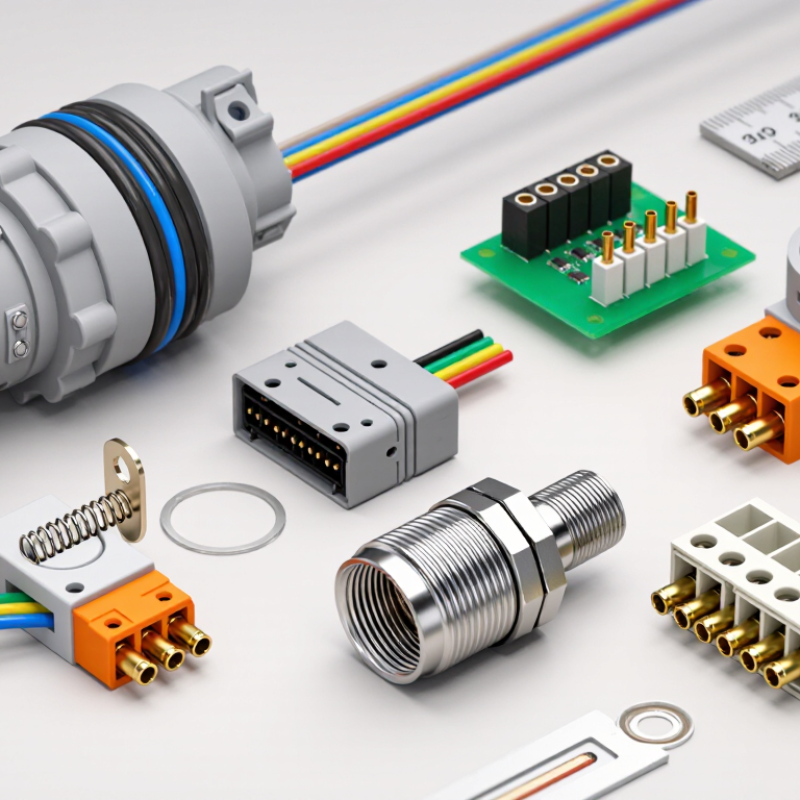
What Are the Top Harness Connector Types in 2026?

What a Harness Connector Is and How It Functions

A wiring harness connector is the separable junction between sections of a vehicle or machine’s wiring. It lets conductors carry power or signals while keeping the circuit organized and serviceable. A typical connector has metal terminals, an insulating housing, and a locking feature. Some designs also use seals to limit moisture and dust. Small parts, but important.

When two halves mate, each terminal contacts its counterpart and completes an electrical path. The housing aligns the terminals and helps prevent incorrect insertion; a latch resists vibration and accidental separation. For example, a technician can unplug a headlamp connector without cutting its wires. This makes inspection and replacement easier. It is not foolproof. Bent terminals, weak crimps, or a partly engaged latch can cause intermittent faults that are hard to trace.

Connector form depends on its job. Rectangular connectors often suit grouped circuits, while circular types can provide a compact, secure connection. Wire-to-wire designs join harness sections; wire-to-board versions connect wiring to a circuit board. Sealed connectors may suit exposed locations, but they add cost and can be harder to service. Good selection means checking current, voltage, wire size, temperature, vibration, and access for repair—not just matching the shape. A neat fit alone proves little.

What Are the Top Harness Connector Types in 2026?

What a Harness Connector Is and How It Functions

A harness connector joins electrical circuits while helping align, retain, and protect the connection. This chart compares the contact positions in selected standardized interfaces commonly used in equipment and vehicle wiring; it is not a ranking of overall quality or current capacity. The right connector depends on circuit count, voltage and current, environment, sealing, locking, and service requirements.

How Harness Connector Types Are Classified by Design

Compare connector types by mating method, current path, and environmental protection. Housing color and pin count are not enough. Blade contacts support compact layouts, while round-pin contacts can provide stable engagement in demanding assemblies. The right choice still depends on contact rating, wire gauge, temperature, and vibration; shape alone says little. Small details matter. Keyed housings prevent mismating, and polarization ribs guide assembly when visibility is poor. Sealed designs add gaskets or individual wire seals to limit moisture and dust, but sealing can complicate repair.

Another useful design split is coupling: friction-fit, latch, threaded, and quarter-turn systems resist separation differently. A latch gives a tactile click; threaded couplings may hold firmly under vibration, yet take longer to service. Inline connectors join wire-to-wire sections, whereas panel- or board-mounted designs anchor the harness to equipment. These categories can overlap: one connector may be keyed, sealed, and latched at once. That is where quick comparisons get messy. During selection, check drawings and datasheets for pin layout, retention force, current limits, sealing conditions, and service access. A neat housing does not guarantee a reliable connection.

Common Harness Connector Types Used in 2026

Common Harness Connector Types Used in 2026

Harness connectors link wires to sensors, controls, power units, and other electrical components. Sealed connectors are common where moisture, dust, or road spray may reach the connection. Their gaskets and locking tabs help protect contacts, but correct assembly matters. A pinched seal can still allow water inside.

Unsealed connectors suit protected areas, such as enclosed instrument panels or dry equipment cabinets. They are often compact and simple to service. Circular connectors are another familiar choice, especially where a secure, keyed connection is useful. For low-profile layouts, flat flexible cable and flexible printed circuit connectors can save space. Board-to-wire connectors join a cable harness directly to a circuit board. Fit matters.

High-voltage connectors are used in electrified equipment and vehicles, while standard low-voltage types serve lighting, sensors, and control circuits. The connector should match the wire size, current, temperature range, vibration exposure, and expected mating cycles. Check the drawing and test the assembled harness under realistic conditions. A connector that fits on the bench may loosen after repeated vibration. Not always obvious. One overlooked detail is service access: a latch can be secure yet difficult to release in a cramped enclosure.

How to Match a Connector Type to Its Application

Matching a harness connector to its application starts with the environment, not the pin count. Under-hood wiring faces heat, fluid splash, and vibration, so sealed connectors with positive locks and secondary terminal retainers are often suitable. For cabin switches, compact wire-to-board connectors can save space, but exposed service points need accessible release features. There is a catch: a tight fit can make repairs awkward.

IEC 60529 defines IP67 as dust-tight protection and temporary immersion in water up to one metre for 30 minutes. Treat that rating as a useful benchmark, not a guarantee against every real-world exposure. Check the rating on the mated assembly, then assess temperature, vibration, chemicals, and cable strain separately. USCAR-2 provides automotive connector performance tests covering environmental and mechanical stresses; use its requirements alongside the vehicle’s actual duty cycle.

For frequent service, choose a connector that can be unplugged without pulling on the wires. For high-current loads, verify contact size, current rating, and temperature rise under the expected bundle conditions. A connector rated for one current in open air may perform differently inside a crowded loom. I would also leave room for routing and hand access. Those details are easy to overlook—and expensive to correct later.

What Are the Top Harness Connector Types in 2026? — How to Match a Connector Type to Its Application

Connector Type Typical Configuration Common Applications Key Selection Factors Best Fit When
Sealed rectangular connector Multiple contacts in a rectangular housing; seals help limit moisture and dust ingress. Vehicle exterior wiring, engine compartments, agricultural and construction equipment Required ingress protection, temperature range, vibration resistance, contact count, and serviceability The harness is exposed to water, dirt, or vibration and needs several circuits in one compact connection.
Unsealed rectangular connector Multi-position housing without environmental seals; available in wire-to-wire and wire-to-board formats. Protected cabin wiring, control panels, appliances, and low-exposure equipment interiors Available enclosure protection, operating temperature, retention features, and the risk of accidental mis-mating The connector is installed in a clean, dry location where sealing is unnecessary.
Circular connector Round housing with keyed or threaded coupling and one or more contacts; sealed versions are common. Industrial machinery, sensors, mobile equipment, and outdoor control systems Coupling method, contact arrangement, cable exit, sealing requirement, and resistance to shock or vibration A secure, easily identified connection is needed in a demanding or frequently serviced environment.
Wire-to-board connector Harness wires terminate in a plug that mates with a header mounted on a printed circuit board. Electronic control units, instrument panels, appliances, and embedded control modules Board layout, contact pitch, current per circuit, wire size, locking, and assembly access A cable harness must connect directly to a circuit board inside an electronic assembly.
Wire-to-wire connector Two harness-side housings mate directly, commonly with a positive latch and optional secondary lock. Automotive sub-harnesses, equipment wiring, lighting circuits, and field-replaceable assemblies Contact rating, wire range, sealing, keying, mating cycles, and resistance to harness pull Two cable assemblies need a separable connection without using a circuit board.
High-current connector Large contacts or multiple parallel contacts designed for higher current than signal connectors. Battery connections, power distribution, electric drive systems, and industrial power circuits Continuous and peak current, voltage, temperature rise, conductor size, touch protection, and disconnect procedure The circuit carries substantial power and requires contacts and wiring sized for the electrical load.
Coaxial connector Center contact and surrounding shield maintain a controlled coaxial signal path. Antennas, radio-frequency equipment, GNSS systems, and high-frequency communications wiring Impedance, frequency range, shielding continuity, cable type, and signal-loss requirements Radio-frequency signals must be carried with controlled impedance and effective shielding.
Terminal and stud connection Ring or fork terminal fastened to a threaded stud; blade terminals may be used for suitable low- or moderate-current circuits. Ground points, battery distribution, service connections, and electrical equipment terminals Stud size, terminal material, conductor size, current rating, corrosion exposure, and fastening torque A mechanically fastened connection is appropriate and can be installed with the required access and strain relief.
High-voltage interconnect Insulated, keyed connector system designed for elevated voltage, often with shielding and interlock provisions. Electric and hybrid vehicle battery, inverter, and power-conversion circuits Rated voltage, current, insulation, touch protection, shielding, interlock needs, and applicable safety requirements The application involves hazardous voltage and requires a purpose-designed, safety-rated connection.

What to Consider When Choosing Harness Connectors in 2026

What Are the Top Harness Connector Types in 2026?

What to Consider When Choosing Harness Connectors in 2026

Connector choice starts with the circuit, not the catalog. The International Energy Agency’s Global EV Outlook 2023 reported more than 10 million electric cars sold worldwide in 2022, about 14% of new car sales. Its 2024 edition reported nearly 14 million sales in 2023, or roughly 18%. That growth makes voltage, current capacity, and thermal performance increasingly important in vehicle harness design. Small details matter.

Check the operating environment before settling on a connector family. A cabin connection may need less sealing than one near a wheel or battery pack. Specify the expected temperature range, moisture exposure, vibration, mating cycles, and available space. For high-current circuits, confirm contact ratings and wire size together; a connector’s headline rating alone can mislead. Also assess locking features and secondary retention, especially where technicians may disconnect the harness during service.

Manufacturing and maintenance deserve equal attention. Confirm that terminals, seals, and tooling suit the wire insulation and assembly process. Make sure the connector can be reached without removing neighboring parts. No checklist catches every packaging surprise, so prototype the actual harness route and inspect it after vibration and temperature testing. A minor clearance issue on a drawing can become a stubborn service problem. The right choice is the one that meets electrical and environmental demands while remaining practical to build and repair.

CAMaster Logo