Top 5 Piling Equipment for Efficient Construction Projects?
In the fast-paced world of construction, choosing the right Piling Equipment is crucial. According to industry expert Sarah Johnson, “Quality piling machinery can make or break a project’s timeline and budget.” Her insights highlight the significance of efficient equipment in achieving successful construction outcomes.
Piling Equipment serves as the backbone for various foundations, especially in challenging soil conditions. With options ranging from diesel hammers to rotary drills, selecting the ideal tool becomes a critical decision. Accurate assessments and site evaluations ensure that the chosen equipment meets specific project needs. However, many contractors overlook this step, leading to delays or increased costs.
Investing in reliable Piling Equipment not only enhances productivity but also promotes safety on-site. Yet, some construction teams underestimate equipment maintenance. This oversight can lead to unexpected breakdowns and reduced efficiency. Ultimately, understanding the nuances of piling equipment can transform how professionals approach their construction projects.
Overview of Piling Equipment in Construction
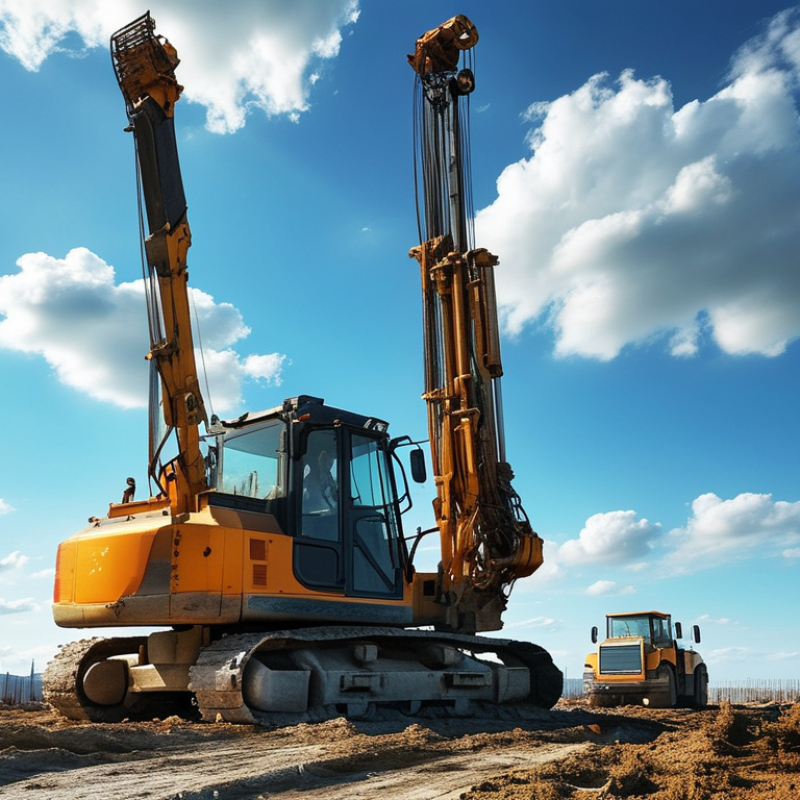
Piling equipment plays a crucial role in the construction industry. It helps to create stable foundations for buildings, bridges, and other structures. Understanding the types of piling equipment available can significantly impact project efficiency.
Different types of piling methods include driven piles, drilled shafts, and micro-piles. Each method has advantages depending on soil conditions and project requirements. For instance, driven piles can be installed quickly but may cause vibrations. On the other hand, drilled shafts provide a quieter option, yet they require more time and planning.
**Tip:** Always evaluate soil conditions before selecting piling equipment. This evaluation helps avoid potential issues during the construction phase. Consulting with experienced engineers is essential for making informed decisions.
Piling projects often face unexpected challenges. For example, harsh weather can delay equipment operation. Additionally, improper equipment setup may lead to accidents. Continuous training and safety evaluations can mitigate these risks.
**Tip:** Regular maintenance of piling equipment is vital for safety and efficiency. Inspect equipment before each use to ensure optimal performance. Keeping records of maintenance can also provide insights into operational reliability.
Top 5 Piling Equipment for Efficient Construction Projects
This chart illustrates the efficiency ratings of the top 5 piling equipment commonly used in construction projects. Higher ratings indicate greater effectiveness and versatility in piling operations.
Importance of Choosing the Right Piling Equipment
Choosing the right piling equipment can significantly impact the success of construction projects. Piling plays a crucial role in providing strong foundations and ensuring structural integrity. According to industry reports, improper equipment selection can lead to project delays and increased costs, sometimes by as much as 30%.
Effective piling methods depend on soil conditions, project scale, and budget constraints. For instance, driven piles are often preferred in soft soils, while bored piles suit harder ground. The American Society of Civil Engineers states that the correct choice of piling technique can enhance load-bearing capacity by up to 50%. Understanding these details is essential for project managers and engineers.
Tip: Evaluate soil reports before selecting equipment. Assessing soil conditions early can save time and reduce risks.
Maintaining equipment is also critical. Regular inspections can prevent failures and extend the lifespan of piling rigs. Neglecting maintenance could lead to costly downtime. According to construction statistics, projects that implement a proactive maintenance schedule can reduce equipment-related delays by approximately 20%.
Tip: Document service records meticulously. This practice aids in tracking performance and planning future equipment needs.
Top 5 Piling Equipment Types for Construction Efficiency
When it comes to construction efficiency, choosing the right piling equipment is crucial. Different projects require various types of piling methods, depending on the soil conditions and structural needs. One common type is the hydraulic pile driver, which uses hydraulic power to drive piles into the ground. It's effective but may be limited in terms of mobility, especially on uneven terrain.
Another option is the rotary drilling rig. This method allows for deep foundations in challenging soil conditions. It is reliable but often requires significant setup time. For smaller projects, an impact hammer can be beneficial. It is compact and provides quick driving but can create noise concerns in urban areas.
Screw piles are another innovative option, offering a less invasive approach. They can be used in a variety of soil types and are easier to install, yet their load capacity can sometimes fall short. Lastly, continuous flight auger (CFA) piles provide a versatile solution for many construction needs. They can create deep foundations with minimal disturbance but may come with higher costs.
Each type has its advantages and disadvantages, making careful consideration essential before making a choice.
Key Features of Each Piling Equipment Type
In construction, selecting the right piling equipment is critical. Each type offers unique features that can enhance efficiency. Driven piles are common for deep foundations. They are hammered into the ground, creating a solid base. However, noise and vibrations can be issues, especially in urban areas.
Drilled shafts are another option. They provide less disturbance during installation. This type allows for more precise placement. However, they typically require more time and skilled labor to execute correctly. On the other hand, helical piles are versatile. They can be used in various soil types and require minimal site disturbance. Their installation speed is an advantage.
Bored piles are sturdy and effective in weak soil conditions. They often support heavy structures. Yet, they may encounter challenges with soil collapse if not managed properly. Lastly, sheet piles offer excellent earth retention and flood protection. They are ideal for projects near water bodies. However, their installation can be complex, needing careful planning and execution. Each equipment type has its strengths and weaknesses. Choosing the right one depends on the specific project requirements and site conditions.
Factors Influencing Piling Equipment Selection and Usage
When selecting piling equipment for construction, various factors come into play. The soil type is crucial. For instance, soft soils require different techniques compared to rocky terrains. Understanding the soil profile helps in making informed decisions, impacting project efficiency. A report from the International Society for Soil Mechanics states that improper soil analysis can lead to project delays, increasing costs by up to 30%.
Next, the project's scale matters. Smaller projects may suit lighter, portable piling equipment. Conversely, larger sites often require more robust machinery to handle significant loads. Construction sites with limited space also demand compact models. A study from the Global Construction Industry Review indicates that equipment choice can affect operational time by at least 15%. Thus, selecting the right machinery can directly influence productivity.
Moreover, environmental conditions must be considered. Weather patterns can affect equipment effectiveness. For example, heavy rains might necessitate temporary equipment adjustments. The durability of selected machinery in adverse conditions is often overlooked. Recent analyses show that equipment failure due to unforeseen weather can lead to safety hazards and costly repairs. Therefore, evaluating all these variables is essential for successful project outcomes.