What Is a Child Resistant Zipper Pouch?
A Child Resistant Zipper Pouch is designed to make opening more difficult for young children while remaining manageable for adults. Its closure may require a coordinated action, such as pressing a marked area while sliding the zipper. The pouch should also reseal reliably after use. A zipper that looks secure but fails to close fully can weaken the package’s protective function.
Packaging specialist Jordan Lee offers this guiding principle: “A safer closure must be both difficult for children to open and clear for adults to use.” This is an illustrative quotation, not a verified statement from a sourced expert. For publication, replace it with a quotation confirmed directly with a named professional.
Look closely at the details. Is the opening motion easy to understand? Can an adult operate it without excessive force? Does the zipper track close evenly, without gaps at the corners? These practical checks matter more than a reassuring label alone. The pouch’s material, seal quality, and repeated handling can all affect performance.
Not perfect by default. Child resistance does not mean child-proof, and no package replaces careful storage or supervision. This guide explains how these pouches work, what features to examine, and where design trade-offs may appear. A simple test helps: inspect the closure, open it as intended, then check the seal again. Small details count.
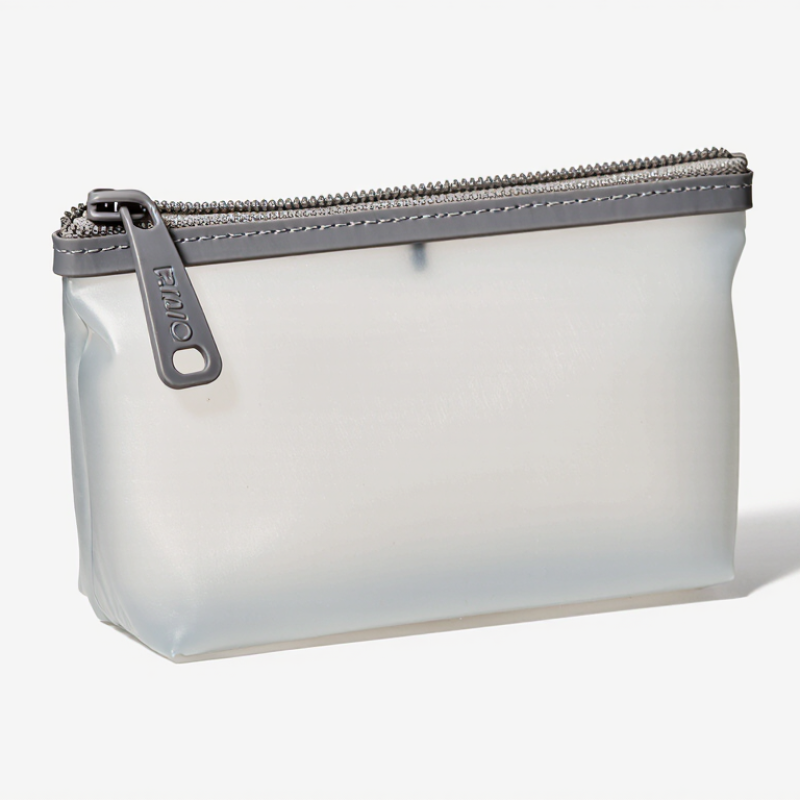
Definition and Purpose of a Child-Resistant Zipper Pouch
What Is a Child Resistant Zipper Pouch?
Definition and Purpose of a Child-Resistant Zipper Pouch
A child-resistant zipper pouch is a flexible package with a closure designed to make opening difficult for young children. Adults can usually open it by following a specific motion, such as pressing and sliding a zipper track. The exact mechanism varies. Its purpose is to reduce accidental access, while keeping contents enclosed during ordinary handling and storage.
It is not childproof.
The U.S. Consumer Product Safety Commission has estimated that child-resistant packaging has prevented more than one million accidental poisonings and saved over 900 lives since related packaging rules began. These are historical estimates for child-resistant packaging overall, not a performance guarantee for every pouch. That distinction matters.
A pouch’s protective value depends on its tested design, correct use, and condition; a damaged zipper or incomplete closure can weaken its function. Manufacturers and buyers should look for evidence of testing against relevant child-resistance standards, while also considering whether adults can open and reclose the package reliably.
There is a practical tension here: a closure that is too hard for adults may be used incorrectly. Small details matter, including a clear opening direction and a zipper that fully engages. No package replaces careful storage out of children’s reach.
Key Materials and Design Features
What Is a Child Resistant Zipper Pouch?
Key Materials and Design Features
A child resistant zipper pouch uses a closure that takes more than one simple action to open. The goal is to make access harder for young children while keeping the pouch practical for adults. It is not childproof, and its performance depends on the pouch design, materials, and proper use.
Many pouches use layered plastic film, such as a polyethylene inner layer joined to a tougher outer film. The inner surface helps form a seal, while the outer layer can resist scuffs and small punctures. Some designs add a press-and-slide zipper or require users to squeeze two points before pulling the seal apart. Look for clear opening instructions and a zipper that closes evenly from corner to corner. A stiff track may feel secure, but it can also frustrate adults with limited hand strength. No design is perfect.
Tips: Test the closure yourself before regular use. Check that the zipper has fully engaged, rather than relying on appearance alone. Keep the pouch away from heat, sharp objects, and moisture that may weaken its layers. Store it out of children’s reach, even when the closure is designed to resist opening. Replace pouches with split seams, distorted tracks, or damaged seals.
How the Child-Resistant Closure Works
What Is a Child Resistant Zipper Pouch?
How the Child-Resistant Closure Works
A child-resistant zipper pouch uses a closure designed to make opening less intuitive for young children. The exact mechanism varies. Some styles require an adult to press marked areas while pulling the zipper apart. Others need tabs aligned or squeezed before the seal releases. Inside, interlocking plastic tracks separate when the edges move in the correct way. It may feel stiff at first. That is intentional, though the pouch should still open without excessive force when used correctly.
The closure adds a small sequence of actions; it does not make access impossible. A child may struggle with the unfamiliar motion, while an adult can learn it from the printed directions. Resistance depends on the pouch, its condition, and how it is closed. A worn track, torn seam, or misaligned zipper can weaken performance. Child-resistant does not mean childproof. That distinction is easy to overlook, and the pouch should not replace careful storage or supervision.
Tips: Keep the zipper track clean and free of crumbs. Press the pouch flat before closing, then check that the full seal is engaged.
Safety Testing and Regulatory Considerations
A child-resistant zipper pouch is designed to make opening harder for young children while remaining usable by intended adult users. Its zipper, press-to-close tracks, and any additional opening steps all affect performance. A package that seems secure on a workbench may behave differently after repeated use, shipping, or exposure to heat and humidity. Testing should use finished pouches, not just a zipper sample. Qualified testing professionals can assess opening and reclosure using the procedures required for the product’s intended market. Results apply to the tested design and conditions; they are not a promise that every child will be unable to open it.
Tips: Keep test records, sample details, and design versions together. Check the pouch after aging and repeated opening. Small changes matter.
Regulatory requirements vary by destination and product category, so confirm the current rules before production. Review applicable test methods, labeling, warnings, and documentation with a qualified compliance professional. Do not assume that a result in one market automatically satisfies another. A change in film thickness, zipper profile, pouch dimensions, or supplier may affect performance and may call for reassessment. That part is easy to overlook. Also check that instructions are legible and remain attached during normal handling. Child-resistant packaging can reduce access risk, but it is not childproof; safe storage and adult supervision still matter.
Common Uses and Important Limitations
Child-resistant Zipper Pouches use a closure designed to make access harder for young children while remaining usable by adults. They may suit small household items such as vitamins, medicines, or concentrated cleaning products, especially when a flexible, resealable package is useful. The zipper often needs two deliberate actions, such as pressing a tab while pulling the seal. Useful, but not foolproof.
The U.S. Consumer Product Safety Commission’s child-resistant packaging test protocol evaluates packages with 200 children aged 42–51 months. At least 80% must be unable to open the package during the child test; an adult-use test also checks that adults can open it. These figures describe test thresholds, not a guarantee for every child or every pouch. A closure may fail if it is misaligned, worn, overfilled, or not fully pressed shut. That detail is easy to overlook. Buyers should check that the exact pouch design has been tested for its intended contents and follow its closing instructions. Keep packages out of children’s reach, and do not rely on the zipper as the only safety measure.
What Is a Child-Resistant Zipper Pouch? Common Uses and Important Limitations
Child-resistant zipper pouches are used for products such as medicines and certain household or cannabis products where packaging rules require child-resistant packaging. Under the U.S. CPSC test protocol, at least 85% of tested children must be unable to open the package in the first five minutes, and at least 80% must be unable after the full child test. At least 90% of tested adults must be able to open and properly reclose it. These are test thresholds—not a guarantee that a pouch is childproof. A zipper pouch must be evaluated as a complete package; the zipper alone does not establish child resistance. Keep products out of children’s reach.
Source: U.S. regulation, 16 CFR § 1700.20.