
What Is a Lithium Ion Battery Pack?

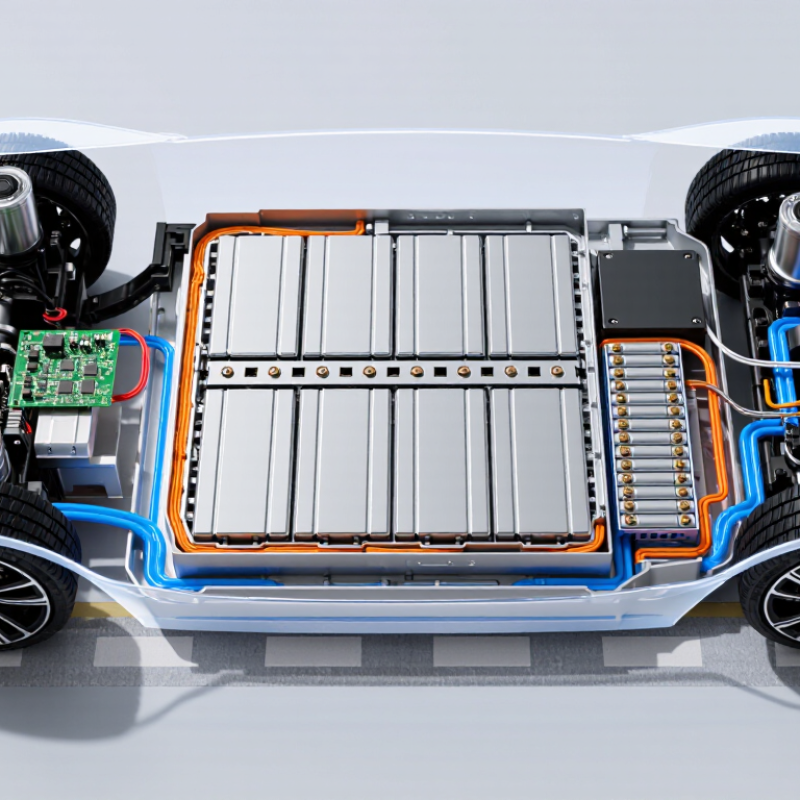
A Lithium Ion Battery Pack is more than a bundle of cells. It is an integrated energy system built to store and deliver electricity safely and predictably. Inside, lithium-ion cells hold the energy. A battery management system monitors voltage, current, and temperature, while protective components help control charging and discharging. The enclosure, wiring, and cooling design matter too. Think of a pack in an electric vehicle: dozens or hundreds of cells work together beneath the floor, where heat, vibration, and repeated charging can affect performance. Small design choices have real consequences.

Battery scientist Jeff Dahn, known for his research on lithium-ion materials and durability, offers a useful lesson through his work: battery performance should be judged over repeated cycles, not by a single headline specification. That perspective matters. A pack’s capacity, power output, service life, and safety depend on cell chemistry, system controls, operating conditions, and manufacturing quality. Two packs with similar capacity figures may behave differently in daily use. Not obvious at first.

This guide explains the main parts of a Lithium Ion Battery Pack, how they work together, and what specifications can—and cannot—tell you. It also considers charging, thermal management, lifespan, and common applications. Real battery performance is rarely as tidy as a datasheet suggests. Conditions vary, and estimates have limits. Understanding those details makes it easier to compare packs and ask better questions.
What Is a Lithium Ion Battery Pack?

Definition and Purpose of a Lithium-Ion Battery Pack

A lithium-ion battery pack is an assembled energy-storage unit, not just a single cell. It combines multiple cells in a chosen series and parallel arrangement to provide useful voltage and capacity. A pack may also include wiring, a protective enclosure, sensors, and a battery management system. The exact design varies with its intended use. Some packs are compact and light; others need stronger housings and more attention to heat.

Its purpose is to store electrical energy and deliver it in a controlled form to equipment. The management system can monitor cell voltage and temperature, limit charging or discharge, and help keep cells within safe operating ranges. It may also balance cells, though its capabilities depend on the design. A pack does not always convert electricity into the form an appliance needs; that may require separate electronics. Small details matter. A loose connection or damaged casing can affect performance, so inspection and careful handling are important. Even a well-designed pack ages over time, and its usable capacity gradually declines. That part is easy to overlook.

Key Components: Cells, Connections, and Battery Management System

What Is a Lithium Ion Battery Pack?
Key Components: Cells, Connections, and Battery Management System

A lithium-ion battery pack combines cells to deliver usable electrical energy. Each cell stores energy through chemical reactions and has limits for voltage, temperature, and current. Cells arranged in series raise the pack’s voltage; parallel groups increase capacity and current capability. The exact arrangement depends on the device and its power needs. A pack is more than cells in a case.

Connections link the cells and carry current through busbars, wires, and terminals. Even small connection resistance can create heat under heavy loads. Insulation and secure joints matter, too. The battery management system, or BMS, monitors cell voltages and temperatures, and may track current. It can help balance cells and limit operation when readings exceed set thresholds. It cannot fix damaged cells or poor pack design. One detail is easy to underestimate: sensor placement affects what the BMS can detect.

Tips: Keep the pack dry and avoid crushing or puncturing its enclosure. If it feels unusually hot, swells, or gives off an unfamiliar odor, stop using it and seek qualified help. Check connections only when the pack is safely disconnected and you know the correct procedure. A quick visual check is useful, but it cannot reveal every internal fault.

What Is a Lithium-Ion Battery Pack?

Key components: cells, connections, and the battery management system (BMS)

This chart uses a representative lithium-ion cell with a nominal voltage of 3.6 V. Connecting cells in series adds their voltages; connecting cells in parallel increases capacity. The BMS monitors cell voltage, pack current, and temperature, and can balance cells to help keep the pack operating safely.

How Cells Are Arranged into Modules and Packs

What Is a Lithium Ion Battery Pack?

How Cells Are Arranged into Modules and Packs

A lithium-ion battery pack is a set of cells connected and managed as one power source. Cells connected in series raise voltage; parallel connections increase capacity and the current the group can deliver. Designers combine cells into modules, then mount the modules in a protective pack enclosure. The arrangement depends on the application, available space, cooling needs, and service requirements. Small details matter.

Inside a pack, sensors track cell voltage and temperature. A battery management system uses these readings to control charging and discharging, while thermal components help limit temperature differences across the cells. Some designs use modules; cell-to-pack layouts connect cells more directly to the pack structure. Each choice involves trade-offs in packaging, repair, and heat management. The IEA’s Global EV Outlook 2024 reports an average battery pack price of about USD 139 per kilowatt-hour in 2023, down 14% from 2022. That figure reflects market-wide prices, not the cost of any one arrangement.

Tips: When comparing packs, check usable energy, cooling design, and whether modules can be serviced separately. A compact layout may save space, but it can make repairs more difficult. Ask how the pack manages heat under repeated use.

How a Lithium-Ion Battery Pack Stores and Delivers Energy

A lithium-ion battery pack stores energy through chemical changes inside its cells. Each cell contains positive and negative electrodes, separated by a thin, ion-permeable layer. During charging, lithium ions move through the electrolyte toward the negative electrode, where they are held within its material. The charger supplies energy to drive this process. The energy is not simply sitting inside as a pool of electricity.

When a device draws power, the ions move back toward the positive electrode. Electrons take a separate route through the external circuit, powering the device along the way. That flow is usable electrical current. A phone may draw a modest amount; a vehicle can demand far more. The pack’s cells are connected in series, parallel, or both to provide the required voltage and capacity.

A control system monitors cell voltage and temperature, and may limit charging or output when conditions drift beyond set ranges. Small differences between cells matter. Heat, age, and repeated use can change how much energy each cell holds, so a pack’s performance gradually shifts. The neat diagram is incomplete: real cells do not age identically, and monitoring cannot erase that variation.

What Is a Lithium Ion Battery Pack? - How a Lithium-Ion Battery Pack Stores and Delivers Energy

A lithium-ion battery pack combines cells and supporting electrical and mechanical components to store energy and supply it to a device or system. Pack design varies with chemistry, voltage, capacity, and application.

Dimension What It Means How It Relates to Energy Storage and Delivery Typical Details or Example
Battery cells Individual electrochemical units containing positive and negative electrodes, an electrolyte, and a separator. During charging and discharging, lithium ions move between the electrodes through the electrolyte; electrons travel through the external circuit to provide useful electrical power. Common cell formats include cylindrical, prismatic, and pouch cells.
Cell chemistry The materials used for the electrodes and electrolyte. Chemistry affects cell voltage, energy density, operating limits, service life, and thermal behavior. Lithium iron phosphate (LFP) and nickel-manganese-cobalt (NMC) are examples of lithium-ion chemistries.
Series configuration Cells connected positive-to-negative in a sequence. Series-connected cell voltages add together, increasing the pack’s nominal voltage. A pack’s voltage depends on its cell chemistry and the number of cells connected in series.
Parallel configuration Cells connected together at matching positive and negative terminals. Parallel-connected cells increase the available capacity and current capability while keeping voltage approximately the same. A pack described as 4S2P has four cell groups in series and two cells or cell groups in parallel at each series position.
Nominal voltage A representative voltage used to describe a cell or pack during normal operation. It helps define the electrical system the pack can supply; actual voltage changes with charge level, load, temperature, and chemistry. Many conventional lithium-ion cells have a nominal voltage around 3.6–3.7 V; LFP cells are commonly around 3.2–3.3 V. Values vary by cell design.
Capacity The amount of electric charge a battery can deliver, usually stated in ampere-hours (Ah). Capacity indicates how much charge is available, but does not by itself describe total energy without considering voltage. A 20 Ah pack can theoretically deliver 20 A for one hour under specified conditions; real performance depends on operating limits and conditions.
Energy The amount of electrical work the pack can provide, commonly stated in watt-hours (Wh) or kilowatt-hours (kWh). A useful nominal estimate is energy (Wh) = nominal voltage (V) × capacity (Ah). A 48 V, 20 Ah pack has a nominal energy estimate of 960 Wh (48 × 20). Usable energy may differ.
Battery management system (BMS) Electronic circuitry that monitors and helps control the cells or cell groups. A BMS may monitor voltage, current, and temperature; protect against conditions outside specified limits; and balance cell-group voltages. Protection features and balancing methods vary by pack design. A BMS does not change the underlying cell chemistry.
Thermal management Design features that help control cell temperature during use and charging. Keeping cells within their specified temperature range supports performance, durability, and safe operation. Depending on the application, a pack may use passive heat transfer, airflow, or a liquid-based cooling system.
Enclosure and electrical connections The housing, wiring, terminals, and connectors that protect and connect the cells and pack electronics. These components provide mechanical support and a path for current to flow between the pack and the equipment. Enclosure materials, sealing, connector type, and protection against vibration or moisture depend on the application.
Charging and discharging Charging stores energy in the cells; discharging supplies electrical energy to an external load. A compatible charger controls charging according to the pack’s specifications. During discharge, current flows to the connected device or system. Charge voltage, current limits, temperature limits, and cutoff thresholds are specific to the pack design and chemistry.

Common Pack Designs, Applications, and Safety Features

What Is a Lithium-Ion Battery Pack?

Common Pack Designs, Applications, and Safety Features

A lithium-ion battery pack groups cells with wiring, monitoring electronics, and protective components. Cylindrical cells are sturdy and easy to arrange; prismatic cells form flat blocks, while pouch cells are light and flexible. Packs may use modules, or connect cells directly to save space. Direct-cell layouts can make repairs more difficult, a trade-off worth considering.

Pack design depends on its job. Electric vehicles need high power and careful temperature control; stationary storage often prioritizes long service life and straightforward maintenance.

The International Energy Agency’s Global EV Outlook 2024 reports that electric-car battery demand exceeded 750 GWh in 2023, about 40% above 2022. That rapid growth makes dependable pack design increasingly important.

Small details matter. A battery management system tracks cell voltage and temperature, while fuses and contactors can interrupt current during faults. Cooling paths, thermal barriers, and pressure vents add further layers of protection; none makes a damaged pack risk-free.

Tips: Check that the pack’s voltage, capacity, and discharge rating match the equipment. Keep vents unobstructed, and watch for unusual heat, swelling, or odor. Safety features work best when the pack is correctly installed and inspected.

CAMaster Logo