
Why Choose Disposable Medical Devices for Global Sourcing?

Why Choose Disposable Medical Devices for Global Sourcing? The answer begins with infection control, supply reliability, and measurable workflow value. The World Health Organization’s Global Report on Infection Prevention and Control estimates that healthcare-associated infections affect approximately 7% of patients in high-income countries and 15% in low- and middle-income countries. Properly selected Disposable Medical Devices can reduce reprocessing steps, simplify preparation, and support consistent clinical routines.

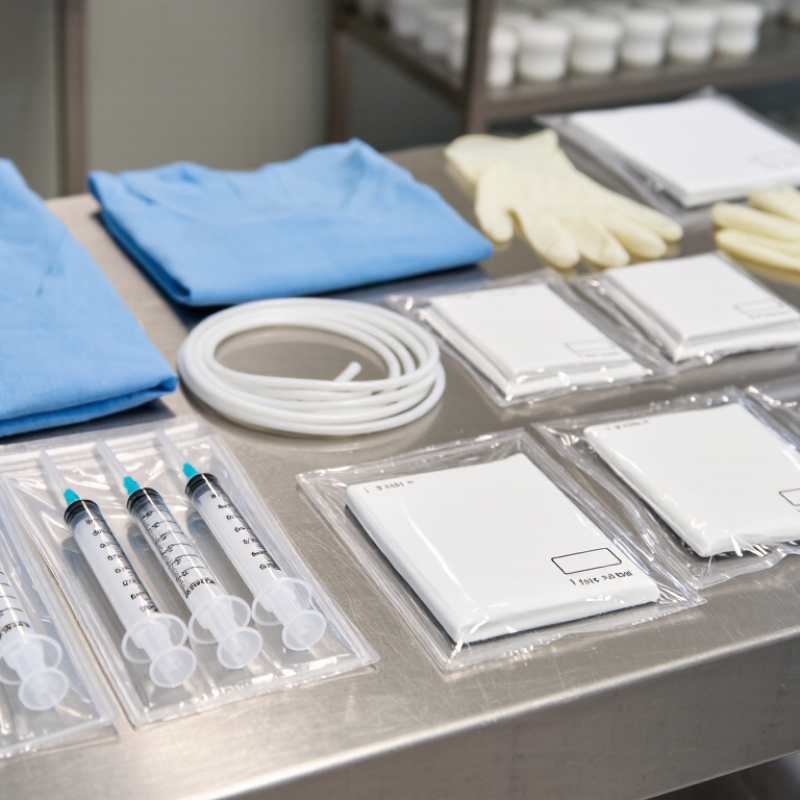
Procurement data also shows strong market momentum. Grand View Research reported continued growth in the global disposable medical supplies market, driven by surgical demand, chronic disease treatment, and stricter infection-prevention practices. Its analysis highlights products such as syringes, catheters, gowns, gloves, and procedure kits. These items may arrive individually sealed, with clear lot numbers and expiration dates. That detail matters when hospitals manage thousands of units across multiple facilities.

But disposability is not automatically safer. It can increase waste, packaging costs, and supply-chain pressure. That is the uncomfortable part. Global sourcing requires more than comparing unit prices. Buyers should examine ISO 13485 certification, sterilization validation, traceability systems, complaint records, and supplier continuity plans. The WHO also emphasizes reliable medical-product quality and resilient health systems. In practice, a low-cost device that arrives late or lacks dependable documentation creates hidden risk. Therefore, experienced sourcing teams should compare total cost, clinical suitability, environmental impact, and supplier performance. This approach makes Disposable Medical Devices a strategic procurement choice, rather than a simple replacement for reusable equipment.
Why Choose Disposable Medical Devices for Global Sourcing?

Market Scope: WHO Reports 16 Billion Injections Worldwide Each Year

Why Choose Disposable Medical Devices for Global Sourcing?

The World Health Organization estimates that 16 billion injections are administered worldwide each year. This figure shows the enormous need for reliable, sterile, and scalable medical supplies. Every injection requires more than a needle. It depends on packaging integrity, controlled storage, clear labeling, and safe disposal. A small defect can affect an entire treatment workflow.

Disposable devices can reduce reprocessing demands in hospitals and clinics. They also support consistent supply across regions with limited sterilization capacity. WHO’s Global Report on Infection Prevention and Control, published in 2022, emphasizes strong infection-control systems as essential for reducing preventable healthcare-associated infections. Single-use products can support these systems when manufacturers follow validated sterilization and quality procedures.

The numbers are persuasive. The details still matter. Disposable sourcing does not automatically guarantee safety. Procurement teams should examine ISO 13485 quality systems, sterile-barrier testing, batch traceability, and transport conditions. The U.S. Centers for Disease Control and Prevention also stresses injection safety practices, including using sterile equipment for every patient. For global buyers, this means comparing more than unit price. A lower-cost device may create higher waste, supply, or compliance risks. Better decisions come from reviewing performance data, failure records, and real delivery experience.

The World Health Organization reports that approximately 16 billion injections are administered worldwide each year. About 90% are used for curative care, while approximately 5% support immunization and 5% are used for other purposes, including blood transfusions and contraception. This scale highlights the importance of reliable, single-use medical devices for global healthcare sourcing.

Patient Safety: WHO Links Unsafe Injections to Up to 1.3M Deaths Yearly

Why Choose Disposable Medical Devices for Global Sourcing?

Patient safety makes disposable medical devices more than a purchasing choice. The World Health Organization links unsafe injection practices to up to 1.3 million deaths each year. Reusing equipment can transfer bloodborne infections, especially where sterilization resources are limited. A sealed, single-use syringe reduces one preventable risk at the bedside. It also supports consistent procedures across clinics, mobile units, and emergency settings.

However, disposable does not mean automatically safe. A damaged package, unclear expiration date, or weak storage process can undermine protection. Global sourcing requires evidence of sterile manufacturing, lot traceability, material safety, and reliable quality controls. Buyers should review testing records and regulatory documentation before shipment. A practical check matters too: inspect the seal, confirm the label, and open the device only when needed. Small details can decide whether a safety promise survives real clinical use.

Tips: Ask suppliers for independent quality certificates, inspection reports, and transport specifications. Check whether packaging protects devices from heat, moisture, and crushing. Plan safe disposal before delivery. Waste handling is often treated as an afterthought, and that is a mistake. No procurement plan is flawless; periodic audits, staff feedback, and incident reviews help reveal weaknesses early.

Cost Analysis: Compare Unit Price, Sterility, Freight, and Disposal Costs

Disposable medical devices can simplify global sourcing, but the lowest unit price rarely tells the full story. Procurement teams should compare the landed cost, including packaging, sterility assurance, freight, storage, and disposal. A disposable device may cost more per unit, yet eliminate cleaning, inspection, sterilization, and repair expenses. Sterile packaging also reduces handling steps between the warehouse and treatment room. That matters when staff time is limited.

Freight can change the decision. A lightweight carton with efficient packaging may reduce air shipment charges, while bulky products can quickly increase transport costs. Check shelf life, minimum order quantities, and storage conditions before approval. Disposal costs also vary by material and local healthcare-waste rules. In one sourcing review, our first estimate ignored damaged stock and emergency shipments. The final cost was higher than expected. That mistake was useful, but avoidable.

Tips:

  • Build a comparison sheet with five columns: unit price, sterility cost, freight, disposal, and hidden labor.
  • Request realistic shipping weights, not catalog estimates.
  • Calculate costs per patient use, not per carton.
  • Test a small shipment before committing to large volumes.
  • Review the numbers with clinical, logistics, and waste-management staff.
  • Cheap is not always efficient. Nor is disposable always cheaper.

Supplier Qualification: Apply ISO 13485, FDA 510(k), and EU MDR Checks

Global sourcing of disposable medical devices begins with disciplined supplier qualification. Low unit cost means little if documentation is incomplete or production controls are weak. ISO 13485 certification can show a structured quality management system, but the certificate alone is not enough. Review its scope, validity, audit history, and covered manufacturing sites.

Ask for device-specific evidence. For products marketed in the United States, examine the FDA 510(k) decision, product code, indications, and cleared configuration. Confirm that the proposed device matches the documented design. Small changes in materials, packaging, or intended use may require deeper regulatory review. Do not rely on a copied certificate.

EU MDR checks should cover classification, technical documentation, clinical evaluation, post-market surveillance, and applicable conformity assessment. Verify the responsible economic operator and relevant certificates. Inspect sample labels, instructions, batch records, and sterilization files. A supplier should explain traceability from incoming resin or metal to the sealed carton.

On-site audits reveal practical details. Watch operators check seals, measure critical dimensions, and record deviations. Ask how complaints are investigated and how corrective actions are verified. No audit is flawless. I have found that rushed audits can miss weak training records or confusing revision controls. Independent testing may be necessary for biocompatibility, sterility, packaging integrity, or shelf life. Pricing discussions should follow evidence, not replace it.

Resilient Sourcing: Build Dual-Supplier Plans for Critical Devices

Why Choose Disposable Medical Devices for Global Sourcing?

Disposable medical devices can simplify sterilization, storage, and replenishment. Their value becomes clearer when supply shocks affect critical care.

The World Health Organization estimated monthly pandemic demand at 89 million medical masks, 76 million examination gloves, and 1.6 million goggles.

That scale exposed a difficult truth: one approved source can quickly become a single point of failure.

Resilinc’s 2023 EventWatch report recorded more than 25,000 supply-chain disruption events worldwide. Medical procurement teams should treat these figures as planning signals, not distant history.

A resilient sourcing plan needs two qualified suppliers for every critical disposable device.

Both should pass technical, quality, packaging, and continuity assessments before an emergency occurs. Keep production records, material specifications, sterilization evidence, and change-control contacts accessible. A second supplier is not magic. If its capacity remains untested, the plan only looks strong on paper.

Practical teams can place routine orders with one supplier while maintaining smaller, scheduled volumes with the alternate. This preserves familiarity and exposes weak points early. Review lead times, minimum order quantities, regional inventory, and transport routes every quarter.

Some teams overlook packaging materials, although a missing pouch or label can stop a finished device. That is an uncomfortable gap worth correcting.

Supplier scorecards should include defect rates, delivery consistency, audit findings, and recovery time after disruption. Safety stock also needs a clear trigger, because excess inventory can expire before it helps.

CAMaster Logo