What Is the Best Home CNC Machine from China?

Choosing the best home CNC machine from China is not simply a price comparison. It is a practical decision about space, materials, support, and your patience with setup. A compact machine may fit beside a workbench, yet struggle with hardwood or aluminum. A larger model may offer a stronger frame, but demand better ventilation, leveling, and electrical planning.

John Saunders, founder of NYC CNC, captures this practical mindset: “The machine is only as good as the person using it.” That sentence matters when comparing a home cnc machine. A rigid gantry, reliable stepper motors, and compatible control software can improve results. They cannot replace careful workholding or correct cutting settings. Small details matter. Loose belts leave visible ripples. Poor dust collection coats the rails in fine powder.

Chinese manufacturers offer many capable machines, from desktop routers to enclosed units with stronger spindles. However, specifications can be incomplete or difficult to verify. A claimed cutting area may not reflect real working clearance. A powerful spindle may still arrive with weak documentation. This is where buyer experience becomes valuable. Check user photos, replacement-part availability, warranty terms, and technical support before ordering.

There is no perfect choice. I would question any guide promising one universal winner. Your ideal machine depends on your projects, budget, noise tolerance, and willingness to learn. The best home cnc machine should make precise work easier, not turn every project into a repair task.
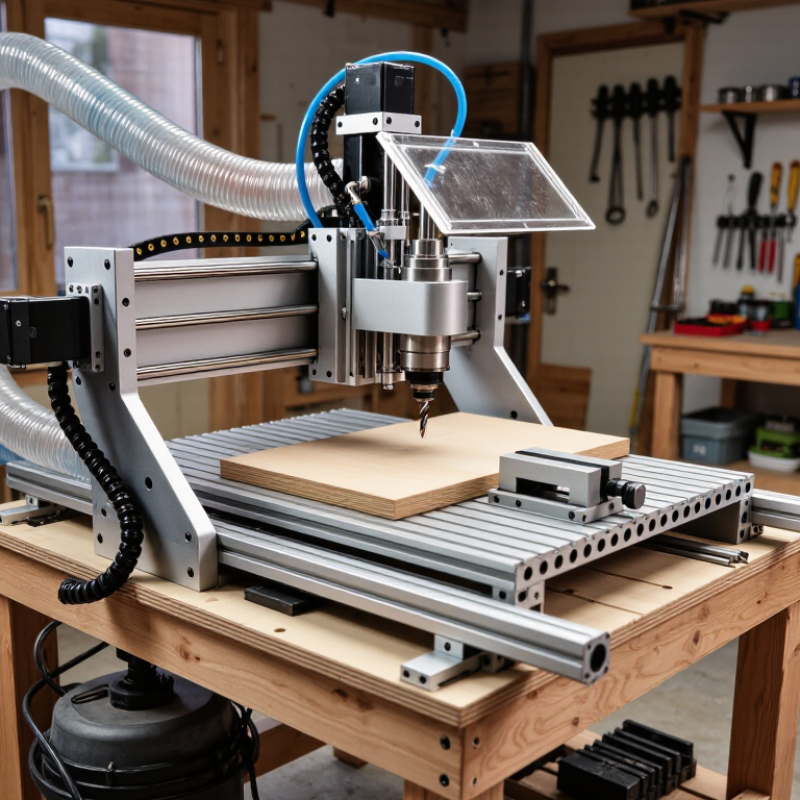
What Is the Best Home CNC Machine from China?

Understanding What Makes a Home CNC Machine Suitable

What Is the Best Home CNC Machine from China?

Understanding What Makes a Home CNC Machine Suitable

A suitable home CNC machine should fit your room, not just your project list. Measure the available space, including room for cables, dust collection, and material loading. A compact frame may suit a spare room, but its working area can limit cabinet panels or long boards. Check the machine’s actual footprint, not only the advertised cutting size.

Power and noise matter every day. A machine using ordinary household power is easier to install. Enclosed designs can reduce chips and noise, especially in apartments. However, an enclosure does not replace ventilation or proper eye protection. For wood, plastics, and soft metals, confirm the spindle range, compatible bits, and realistic cutting depth. Do not trust impressive speed figures alone. Test results should explain material, tool size, and feed settings.

Reliable support is part of the machine. Look for clear manuals, wiring diagrams, spare-part availability, and responsive technical assistance. A Chinese-made machine can offer strong value, but low price may hide difficult assembly or unclear software instructions. That trade-off deserves attention. I would also inspect emergency-stop access, grounding, limit switches, and software compatibility before ordering. A small setup fault can waste an entire weekend. Start with simple test cuts on scrap material, record the settings, and adjust cautiously.

Comparing Popular Chinese CNC Machine Types for Home Use

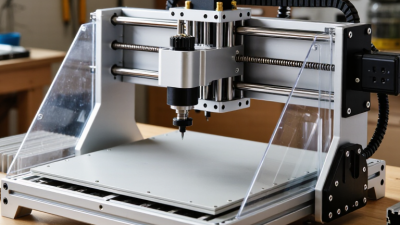
For home use, the best Chinese CNC machine depends on material, noise tolerance, and available space. A compact CNC router suits plywood, acrylic, and soft aluminum. Its open frame allows larger workpieces, but dust spreads quickly. A desktop CNC mill offers better rigidity for aluminum and brass. It cuts more slowly and usually costs more. A small CNC lathe fits round parts, yet it demands stronger measurement skills.

Grand View Research reported that the global CNC machine market reached about USD 83 billion in 2023. The report also expects strong growth through 2030, driven by automation and smaller production systems. That growth does not make every home machine reliable.

Frame stiffness, spindle runout, linear rails, and controller support matter more than advertised speed. For beginners, a 3018-style router may be affordable, but its working area and motor power can feel limiting. I would rather choose a rigid machine with slower feeds. This is less exciting, but often more useful.

Tips: Check the machine’s actual cutting area, not its outside dimensions. Ask for spindle runout data and replacement-part availability. A home router needs dust extraction. A mill needs coolant control and careful chip management. Laser-based machines can engrave quickly, but they require proper enclosure, ventilation, and material checks. The U.S. Consumer Product Safety Commission continues to highlight risks from accessible moving parts and powerful beams. Some specifications remain unclear in low-cost listings. That uncertainty deserves a cautious discount.

Evaluating Size, Materials, Power, and Operating Precision

Choosing the best home CNC machine from China starts with the workpiece, not the advertised motor size. A compact machine suits small signs, circuit boards, and soft plastics. A larger bed handles cabinet parts, but it needs more floor space and a stronger frame. Measure your workshop first. A machine that barely fits may become frustrating.

Material capability depends on rigidity, spindle power, and cutting speed. Wood and plastic usually need modest power. Aluminum demands better vibration control, suitable tooling, and careful chip removal. A powerful spindle cannot repair a flexible gantry. In practical use, frame stiffness often matters more than impressive specifications. That lesson is easy to miss.

Operating precision requires more than a small resolution number. Check lead screw quality, axis backlash, spindle runout, and table flatness. A useful home machine should repeat cuts consistently after calibration. Test a simple square and circle before trusting complex patterns. Keep expectations realistic. Dust, temperature, loose fasteners, and worn tools can reduce accuracy quickly. I would also question unclear tolerance claims, because “precision” may describe movement resolution rather than finished-part accuracy. A reliable supplier should provide clear measurements, assembly guidance, and replacement-part support. Some machines arrive nearly ready to work, while others require patience and mechanical adjustment. That difference can reshape the real cost and learning curve.

What Is the Best Home CNC Machine from China? - Evaluating Size, Materials, Power, and Operating Precision

Configuration class Typical working area
(X × Y × Z)
Typical footprint
(W × D × H)
Common materials Spindle power Motion system Typical claimed positioning accuracy Best home use Overall assessment
Compact 3018-style router 300 × 180 × 45 mm 400 × 330 × 350 mm Wood, plywood, MDF, plastics, PCB blanks, wax 200–500 W Trapezoidal lead screws; linear rods or small supported rails About ±0.05–0.15 mm after setup and calibration Engraving, small signs, PCB isolation, beginner projects Most affordable and compact, but limited cutting depth and rigidity
Medium 3020-style router 300 × 200 × 45–60 mm 520 × 450 × 420 mm Softwood, hardwood, acrylic, PVC, aluminum at light cuts 500–800 W Lead screws with linear guide rails About ±0.05–0.12 mm after calibration Craft panels, model parts, nameplates, small furniture details Balanced entry-level choice for mixed home projects
Rigid 3040-style router 300 × 400 × 75 mm 700 × 600 × 550 mm Wood, plastics, acrylic, aluminum with conservative feeds 800–1,500 W Ball screws or lead screws; supported linear rails About ±0.03–0.10 mm after calibration Detailed woodworking, instrument parts, prototypes, light nonferrous machining Best all-round size for serious home workshop use
6040-style benchtop router 400 × 600 × 80 mm 950 × 850 × 700 mm Large wood panels, plastics, acrylic, aluminum at light to moderate cuts 1,500–2,200 W Ball screws and supported profile rails About ±0.03–0.08 mm after calibration Cabinet components, signs, larger prototypes, repeated small-batch work Higher productivity, but requires more floor space, ventilation, and dust control
Enclosed desktop router 300–600 × 200–400 × 60–100 mm 750–1,100 × 650–950 × 700–950 mm Wood, plastics, acrylic, wax, and limited aluminum work 800–2,200 W Lead screw or ball screw with linear rails About ±0.03–0.10 mm after calibration Indoor workshops where noise, chips, and operator access need control Best for cleaner operation and safety, though usually more expensive
Evaluation note: The specifications above represent common configuration ranges for China-manufactured home CNC routers, not a specific brand or company. Actual precision depends on frame rigidity, backlash, spindle runout, tool condition, workholding, calibration, temperature, and cutting parameters. A practical home choice is typically the 3040-style configuration when space, material range, and operating precision must be balanced.

Checking Software, Safety Features, Support, and Maintenance

Choosing the best home CNC machine from China requires more than checking cutting speed. Software compatibility matters first. The controller should accept common G-code, offer clear toolpath previews, and work with standard design software. Offline control is useful when workshop Wi-Fi fails. Updates should be documented, reversible, and easy to install.

Safety needs practical testing. Look for an emergency stop, limit switches, spindle protection, grounded wiring, and a secure enclosure. Dust extraction is equally important for wood and composite materials.

The International Federation of Robotics reported 541,302 industrial robot installations worldwide in 2023. That figure shows how quickly automated equipment is entering everyday production.

Home machines still need industrial thinking. A cheap-looking cable or loose connector deserves attention. I would not trust a smooth demonstration alone.

Tips: Run a dry test without a cutting tool. Confirm the emergency stop before every project. Keep spare fuses, collets, and belts available. Ask support whether replacement parts have clear specifications and realistic delivery times.

Maintenance should include rail cleaning, lubrication, belt inspection, and spindle checks. The U.S. Bureau of Labor Statistics projects 4% growth for maintenance and repair occupations from 2023 to 2033, reflecting the continuing need for hands-on technical skills.

A beginner may underestimate maintenance. I did too, at first. Choose a machine with readable manuals, responsive technical support, and a fault-reporting process that does not depend on guesswork.

Choosing the Best Chinese Home CNC Machine for Your Needs

Choosing the best Chinese home CNC machine starts with your actual projects, not the advertised spindle speed.

A compact router suits wood, plastics, and occasional aluminum work. A heavier frame offers better stability, but it also needs more floor space and stronger electrical support. Grand View Research’s 2024 CNC Machine Market report projects the global market to grow at an 8.3% CAGR from 2024 to 2030. That growth reflects wider automation, not proof that every machine suits home use.

Measure your workspace before comparing specifications. Leave room for stock, dust collection, cable movement, and maintenance access. A useful home machine should provide a rigid frame, emergency stop, enclosed moving parts, and clear operating instructions.

Check the working envelope carefully. A claimed 600-millimeter travel may shrink after clamps and safety margins are installed. Noise matters too. A loud spindle can quickly become unsuitable in an apartment or shared garage.

Look beyond the purchase price. The International Data Corporation reported that global IT spending reached approximately $5.06 trillion in 2024, showing how strongly modern work depends on dependable digital systems. Your CNC workflow needs the same reliability.

Confirm software compatibility, spare-part availability, warranty terms, and technical support before ordering. I would prioritize repeatable accuracy over maximum speed. My first material estimate can be wrong, especially with aluminum. Start with small test cuts, record feed rates, and inspect finished edges. That patient process often reveals more than a polished specification sheet.

CAMaster Logo