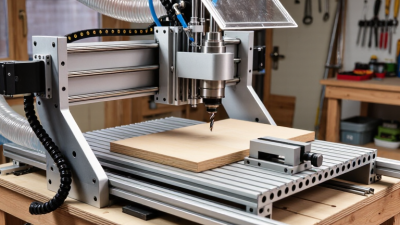
Who Are the Top Industrial CNC Machine Suppliers in China?

Choosing an industrial cnc machine supplier in China takes more than comparing prices and spindle speeds. Buyers need to know how a machine performs with their materials, tolerances, and production schedule. A polished showroom is useful, but it cannot replace a test cut. Ask for a sample part, inspect its finish, and confirm the configuration behind the quotation. Small details matter: controller brand, tool-change time, service response, and spare-parts availability can shape years of daily operation.

CNC educator Mike Lynch offers a useful buyer’s lens: judge a machine by how well it fits the actual job, not by specifications alone. This is a paraphrase, not a verbatim quotation. That distinction matters. Supplier lists can also be imperfect; rankings change, and “top” depends on application, budget, and support needs. A capable supplier for aluminum components may not be the right choice for heavy steel cutting. Ask direct questions. Request references from comparable users. Check what training and commissioning are included, and clarify who handles troubleshooting after installation. Then compare the answers, not just the brochures. This guide examines leading Chinese suppliers through practical factors, including machine range, customization, quality control, and after-sales support. Some claims still need verification. A careful shortlist should leave room for that.
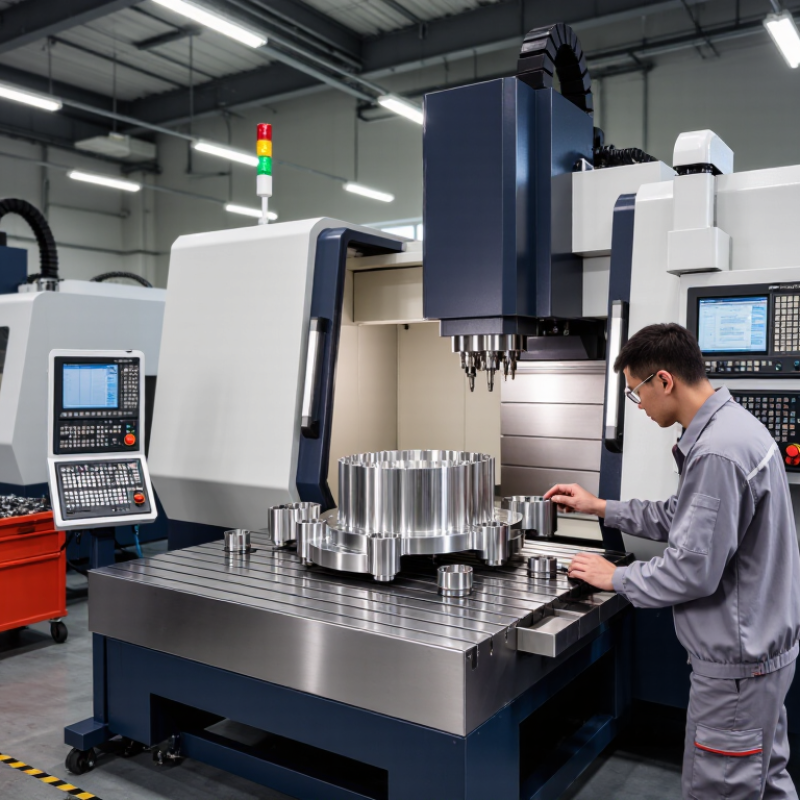
Who Are the Top Industrial CNC Machine Suppliers in China?

What Defines a Leading Industrial CNC Machine Supplier in China?

A leading industrial CNC supplier is defined by verified performance, not a long catalogue. Ask for positioning-accuracy reports, spindle runout measurements, and test-cut results on comparable materials. ISO 230-2 offers methods for testing the positioning accuracy and repeatability of numerically controlled axes. Request measurements from the actual machine, not only a showroom unit.

Service matters on the shop floor. A useful supplier can explain commissioning steps, operator training, spare-parts availability, and response times. The International Federation of Robotics reported 276,288 industrial robot installations in China in 2023, about 51% of global installations. This signals a highly automated manufacturing environment, but it does not prove any CNC supplier’s quality. The China Machine Tool & Tool Builders’ Association reported approximately RMB 1.09 trillion in machine-tool industry revenue for 2023, amid a year-on-year decline. That wider market context makes financial stability and after-sales capacity worth checking.

Look closely at the details. Ask how thermal drift is controlled during a long shift, and whether acceptance tests use your workpiece geometry. A polished brochure can still hide weak service coverage. One assessment can also miss problems; factory visits and customer references add useful evidence. These checks take time.

Who Are the Top Industrial CNC Machine Suppliers in China?

What Defines a Leading Industrial CNC Machine Supplier?

Axis capability is one practical factor when comparing industrial CNC equipment. The chart shows the number of controlled axes in common 3-, 4-, and 5-axis machining configurations; it does not rank suppliers.

A suitable machine configuration depends on the part geometry, production process, accuracy requirements, and application support needed.

How China’s Industrial CNC Supplier Landscape Has Evolved

China’s industrial CNC supplier landscape has shifted from machine assembly toward broader manufacturing ecosystems. Many producers now coordinate machine frames, spindle systems, control integration, tooling, and software support. This change is visible on the factory floor: a machining center may arrive with probing options, automated tool measurement, and remote diagnostics already considered during configuration. The offering is less about a single machine. It increasingly includes process planning and after-sales support.

That development reflects deeper component supply networks and stronger engineering capacity. Yet capability varies widely between suppliers. A polished catalogue does not prove stable accuracy or reliable delivery. Buyers should examine test-cut records, inspection procedures, service response times, and spare-part availability. Ask how thermal drift is measured during a long production run. Small details matter.

The transition is not complete. Some suppliers are strong in standard equipment but less prepared for complex automation or unusual materials. Others have capable engineering teams, but documentation can be inconsistent. That gap deserves attention. A practical evaluation should include sample parts, acceptance criteria, and a clear discussion of maintenance responsibilities. Price still matters, but it tells only part of the story. The landscape keeps changing, and supplier maturity can be difficult to judge from a brief visit.

Which Chinese Suppliers Lead in Different CNC Machine Categories?

China’s CNC supplier landscape is best understood by machine category, not by one universal ranking. For vertical machining centers and CNC lathes, domestic manufacturers compete on price, delivery time, and practical shop-floor support. Buyers should inspect spindle runout, tool-change time, and machining accuracy under a real production load. A polished brochure is not a cutting test.

Large gantry machines and heavy-duty turning systems serve mold, energy, and transport equipment makers. Here, bed rigidity, thermal control, and local commissioning matter more than headline speed. In grinding and high-precision equipment, buyers often need stronger evidence: repeatability records, process trials, and service response times. This is where supplier capability can vary sharply. That distinction is easy to miss.

Market growth provides useful context, but not a maker league table. Grand View Research estimated the global CNC machine market at about USD 83.99 billion in 2023. The figure signals broad demand, not the quality of any individual supplier. Likewise, the International Federation of Robotics reported 276,288 industrial robots installed in China in 2023, roughly 51% of global installations. That points to a large automation ecosystem, though robot data cannot rank CNC builders. Request sample-part results, maintenance intervals, and references from factories running comparable materials before choosing a category leader.

Who Are the Top Industrial CNC Machine Suppliers in China? Which Chinese Suppliers Lead in Different CNC Machine Categories?

This category-based overview describes established supplier segments in China’s CNC machinery market. It does not rank or identify individual companies; capabilities and specifications vary by manufacturer and model.

CNC Machine Category Supplier Segment Commonly Found in China Typical Machine Configurations Common Industrial Applications What These Suppliers Commonly Compete On Buyer Checks
CNC machining centers General-purpose metal-cutting machine builders, including regional manufacturers concentrated in China’s manufacturing provinces. Vertical and horizontal machining centers; three-axis and multi-axis models; work envelopes and spindle options vary by model. Automotive components, general machinery, molds, metal parts, and production machining. Machine rigidity, accuracy, spindle performance, tool-changing options, control-system compatibility, and after-sales support. Request model-specific accuracy and repeatability data, acceptance-test procedures, service coverage, and a sample-machining trial.
CNC lathes and turning centers Turning-machine specialists producing standard CNC lathes as well as more automated turning-center configurations. Two-axis lathes, slant-bed machines, live-tooling models, and configurations with bar-feeding or robotic automation options. Shafts, fittings, hydraulic and pneumatic parts, fasteners, and other rotational components. Turning accuracy, cycle time, spindle and chuck options, automation readiness, and ease of setup. Confirm the supported workpiece diameter and length, tooling arrangement, bar-feeder compatibility, and machining results for the intended material.
Heavy-duty and large-format CNC machines Specialist builders serving large-workpiece and high-load machining requirements; these machines are usually configured for specific applications. Large gantry, planer-type, floor-type, and other heavy-duty milling or boring configurations. Energy equipment, shipbuilding, rail and transport equipment, large molds, and heavy machinery. Load capacity, structural stability, work envelope, thermal behavior, customization, and installation expertise. Check foundation requirements, maximum workpiece mass, usable travel, commissioning scope, and documented accuracy under the proposed setup.
CNC laser-cutting machines Sheet-metal equipment manufacturers and laser-system integrators offering machines for cutting flat sheet or tube. Flat-sheet fiber-laser systems, tube-cutting systems, and combined configurations; power and cutting capacity are model-dependent. Sheet-metal fabrication, electrical cabinets, appliances, construction products, and metal furniture. Cutting quality, material range, automation, nesting workflow, safety systems, and availability of technical service. Verify cutting trials on the target material and thickness, extraction and safety provisions, consumable costs, and local service arrangements.
CNC press brakes and sheet-metal systems Sheet-metal machinery suppliers offering press brakes and, in some cases, integrated cutting, bending, and handling solutions. CNC-controlled press brakes with different tonnages, bed lengths, back-gauge arrangements, and optional automatic tool or part handling. Enclosures, cabinets, appliance panels, vehicle parts, and fabricated metal products. Bending consistency, machine capacity, tooling support, control usability, automation integration, and operator safety. Match tonnage and working length to material and part geometry; review tooling, deflection compensation, guarding, and sample bends.
CNC woodworking routers Woodworking machinery manufacturers serving panel processing, furniture production, and decorative machining. Three-axis routers, nesting machines, multi-head configurations, and automatic tool-changing options. Cabinetry, furniture components, signs, interior panels, and wood or composite-board machining. Worktable format, dust collection, spindle configuration, tool changing, software workflow, and production uptime. Test the intended board and tooling; confirm dust-control requirements, software compatibility, and maintenance support.
CNC grinding machines Precision-machine specialists supplying grinding equipment for finishing and tight-tolerance production tasks. Surface, cylindrical, and other application-specific grinding configurations. Precision components, tooling, bearings, shafts, and parts requiring controlled surface finish or geometry. Process stability, achievable finish, measurement integration, wheel and coolant systems, and application engineering. Ask for a process demonstration using the actual workpiece, material, tolerance, and surface-finish requirement.

How Do Leading Suppliers Compare in Technology and Industry Focus?

China’s leading industrial CNC suppliers differ less by machine labels than by the work their systems handle well. Some focus on high-speed machining centers for automotive parts, where repeatable cycle times and stable tool changes matter. Others build large gantry machines for molds, aerospace structures, or heavy equipment. A broad product range can help buyers source several machines together, but it does not prove equal expertise in every application.

Technology comparisons should look beyond spindle speed. Check positioning accuracy, thermal control, controller options, and how quickly the supplier can provide service parts. Ask for a test cut using a representative workpiece, then inspect the surface finish and measured dimensions. Small details matter: a warm workshop, long tool paths, or a delayed replacement spindle can change real production results. Not always obvious.

Industry focus also shapes support. A supplier experienced with mold shops may understand fine surface finishing, while one serving automotive plants may prioritize uptime and automation. These distinctions are useful, though not perfectly clean; product catalogs and customer claims can blur them. Compare documented specifications with practical trials, and ask who handles installation, operator training, and troubleshooting after delivery. A machine may look impressive on paper. The less glamorous service plan deserves equal scrutiny.

What Factors Matter When Evaluating Chinese CNC Machine Suppliers?

When evaluating Chinese CNC machine suppliers, look beyond the quoted price. Ask for the machine’s working envelope, spindle speed, positioning accuracy, and repeatability data. These figures should match the parts you actually produce. A tight tolerance on a brochure means little without a clear test method.

Request a live cutting demonstration using material and tooling similar to yours. Watch the surface finish, listen for vibration, and check how operators handle setup changes. Ask for inspection records and a sample part measurement report. A smooth sales call proves little. If possible, speak with customers who run comparable shifts and workloads.

Service matters after installation. Confirm technician response times, spare-parts availability, training hours, and remote diagnostic options in writing. Compare the full cost of ownership, including tooling, maintenance, shipping, and downtime risks. Review the supplier’s quality systems and export experience, but verify documents rather than relying on claims. No supplier is flawless; a useful sign is honest discussion of machine limits. One point is easy to miss: vague answers about support can become expensive once production starts.

CAMaster Logo